

For many Filipinos, the workday begins long before arriving at the office—on crowded highways, inside packed buses, or navigating unpredictable traffic. In Metro Manila, commuting has become a daily strain that shapes how people live, work, and spend time with their families.
As congestion continues to challenge productivity and quality of life, a different development model is quietly gaining ground: bringing jobs, services, and communities closer together outside the capital. At the center of this shift is the Biz Hub at LIMA Estate in Batangas, envisioned as a business district within a fully functioning industrial township developed by Aboitiz Economic Estates.
Growth designed around industry and community
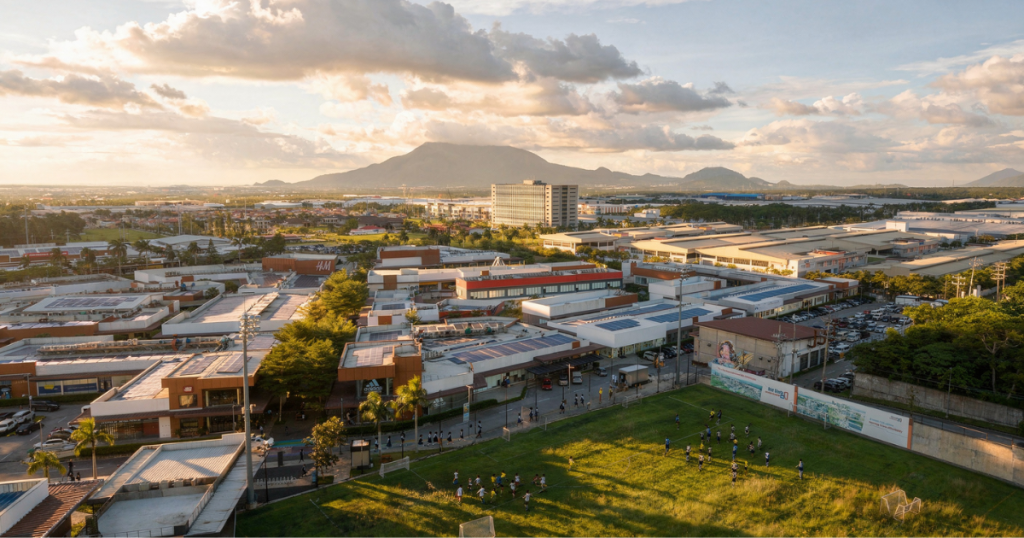
Located along the Luzon Growth Corridor in Lipa-Malvar, Batangas, LIMA Estate spans more than 1,100 hectares and integrates industrial facilities, offices, commercial centers, and residential communities within one master-planned environment.
Instead of dispersing workplaces, services, and housing across separate urban zones, the estate was designed to allow industry and community to grow together. This structure supports the tens of thousands of people already working within the estate while reducing dependence on long commutes.
Accessibility remains a key factor. LIMA Estate is connected via the STAR Tollway, with mobility expected to improve further through the LIMA Gateway and a planned STAR Tollway interchange along the Lipa–Malvar corridor.
A CBD within a working ecosystem
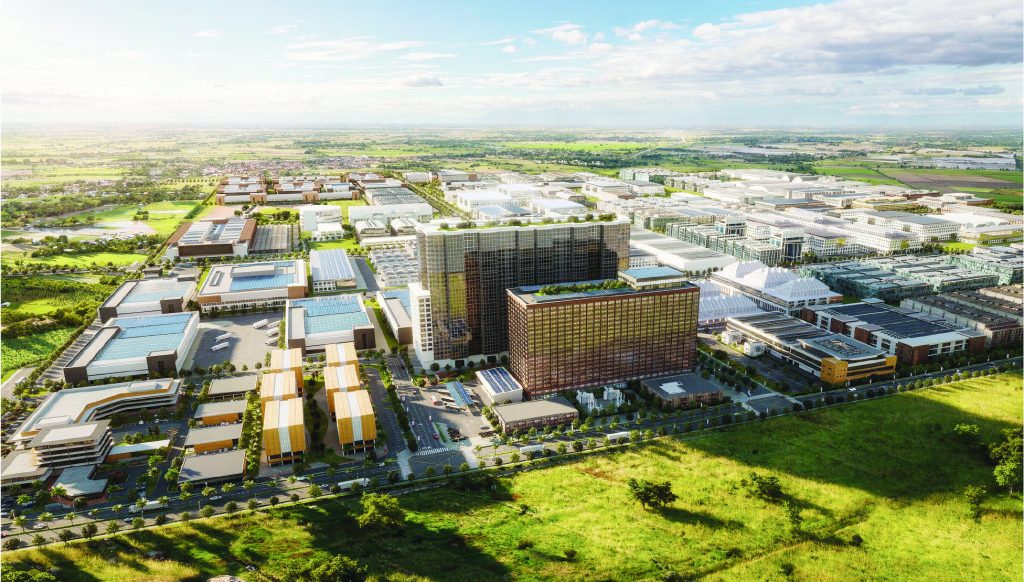
As industrial activity expanded, commercial and professional services followed. Biz Hub at LIMA Estate now functions as the township’s central business district, providing offices, retail establishments, dining options, and services that support both companies and the workforce.
Unlike traditional CBDs built primarily around office demand, Biz Hub is anchored in an existing economic ecosystem. Its growth is tied to the daily operations of the estate’s industrial base, enabling business continuity within a living, working community.
Jobs first, talent ready
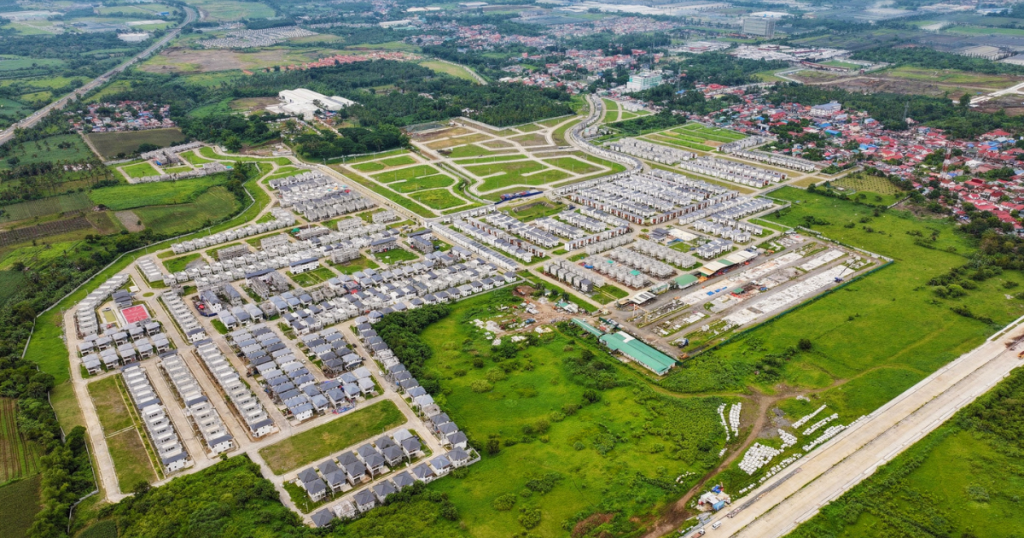
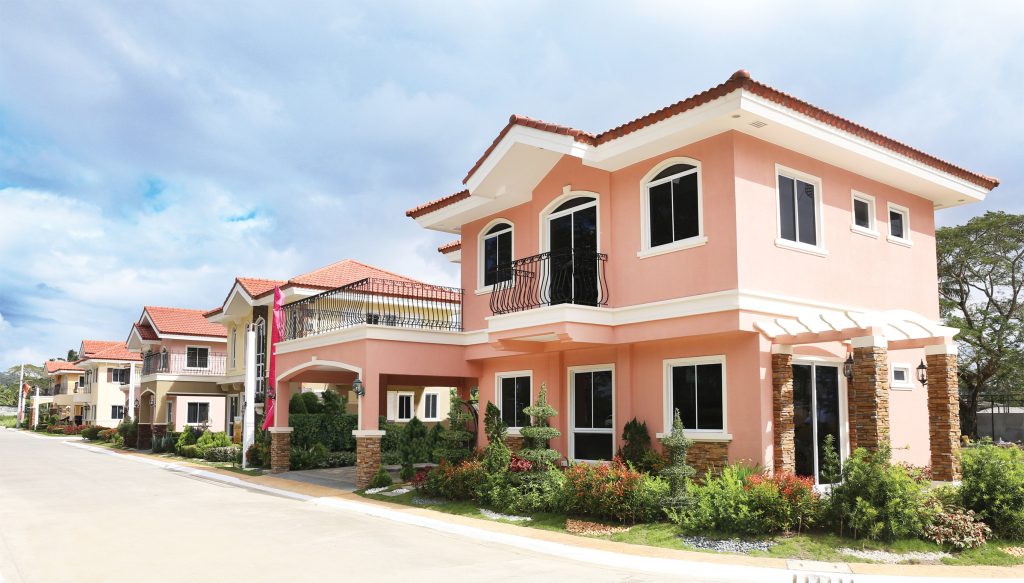
LIMA Estate’s long-term strategy also focuses on workforce sustainability. Residential communities such as The Villages at LIMA Estate allow professionals and families to live closer to employment opportunities.
Education and skills development are integrated into the township through partnerships with institutions such as Batangas State University, Edustria High School, and initiatives like Talent Edge Hub, helping create clearer pathways from education to employment.
This jobs-first perspective supports both companies and communities, ensuring that growth is anchored in a talent pipeline prepared for evolving industry needs.
Rethinking where business gets done
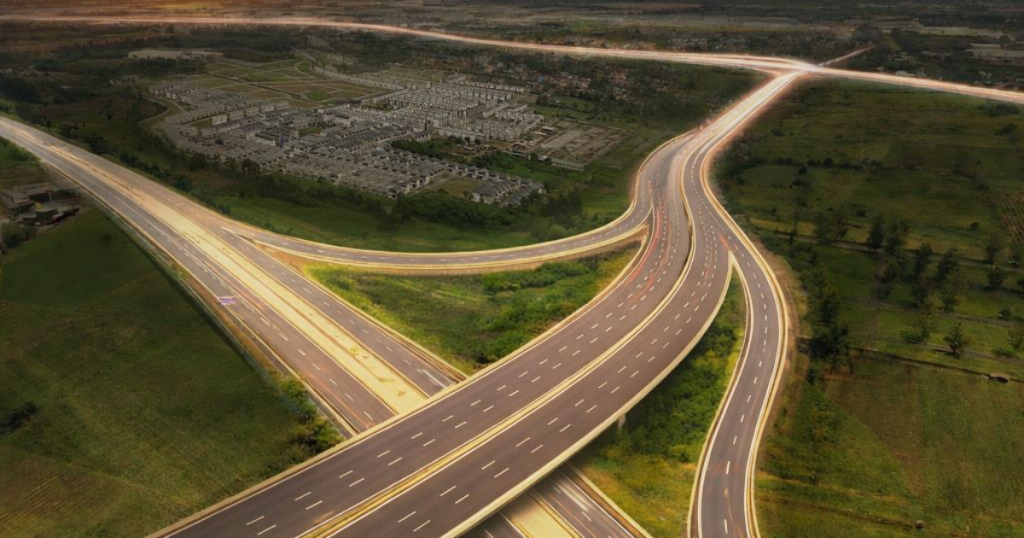
The emergence of Biz Hub reflects a broader shift in how economic activity is distributed across the Philippines. As businesses reassess efficiency, mobility, and long-term competitiveness, regional growth corridors are becoming increasingly important.
Integrated estates that combine infrastructure, industry, commerce, and residential life offer a more resilient development model—one designed to support both productivity and livability.
For many Filipinos, this shift represents more than a change in geography. It signals a future where opportunity can exist closer to home, and where the place people work can also support the lives they want to build.
#BrandedUp
AT A GLANCE: LIMA Estate
· Location: Lipa-Malvar corridor, Batangas
· Developer: Aboitiz Economic Estates
· Size: More than 1,100 hectares
· Concept: Integrated industrial township combining factories, offices, commercial areas, and residential communities
· Workforce Base: Around 75,000 people
· Accessibility: STAR Tollway, future LIMA Gateway, and planned interchange
· Community Features: Residential villages, commercial centers, and education partnerships
· Business Core: Biz Hub, the estate’s commercial and professional district
Why it matters: LIMA Estate illustrates how industry-led decentralization is gaining ground in the Philippines, offering a model where jobs, infrastructure, and communities grow together while easing pressure on Metro Manila.