

In conversations about real estate, attention often gravitates toward price movements and market trends. For Architect Antonio V. Turalba Jr., President and CEO of Active Group, the more meaningful story lies in what endures: wealth built through ownership, community, and time.
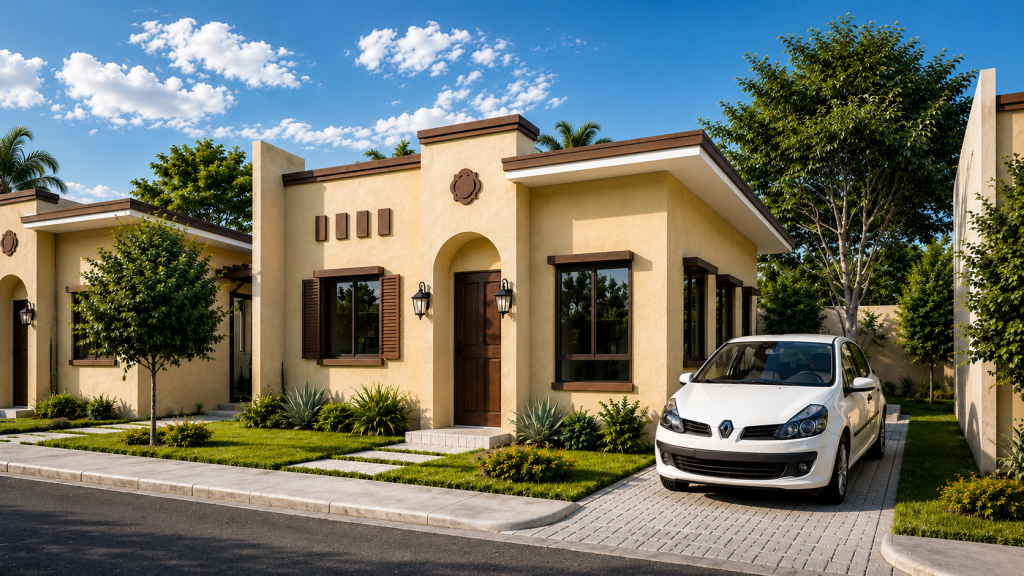
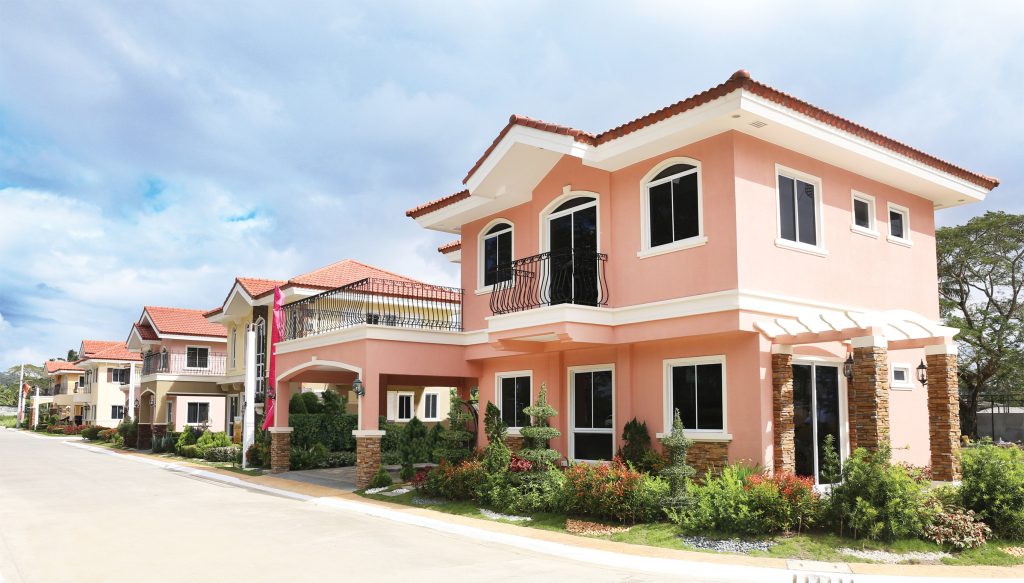
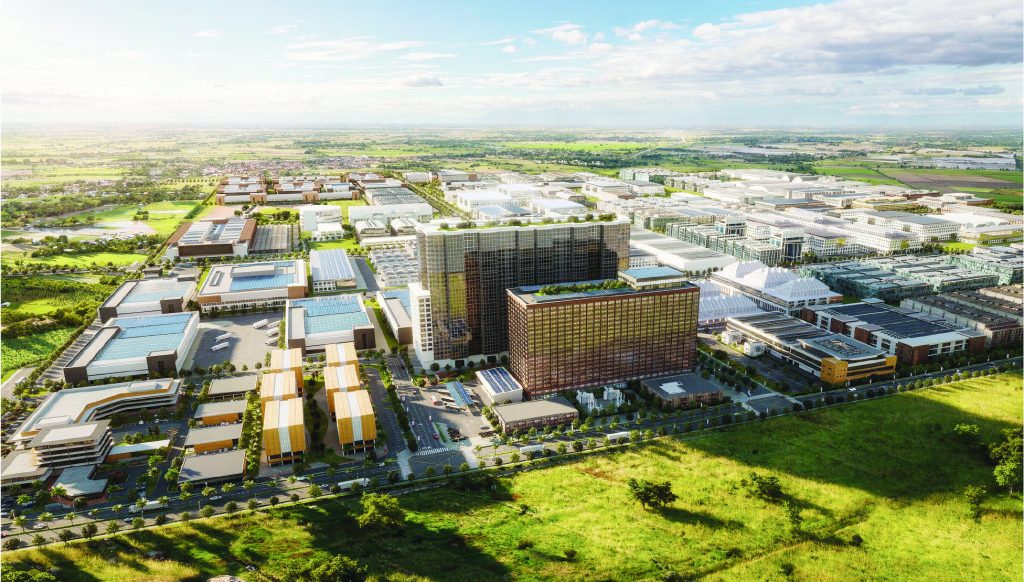
For more than five decades, Active Group has shaped communities across the Philippines—from social housing to urban developments and leisure estates—guided by a clear purpose: to provide wealth through home equity and community building.
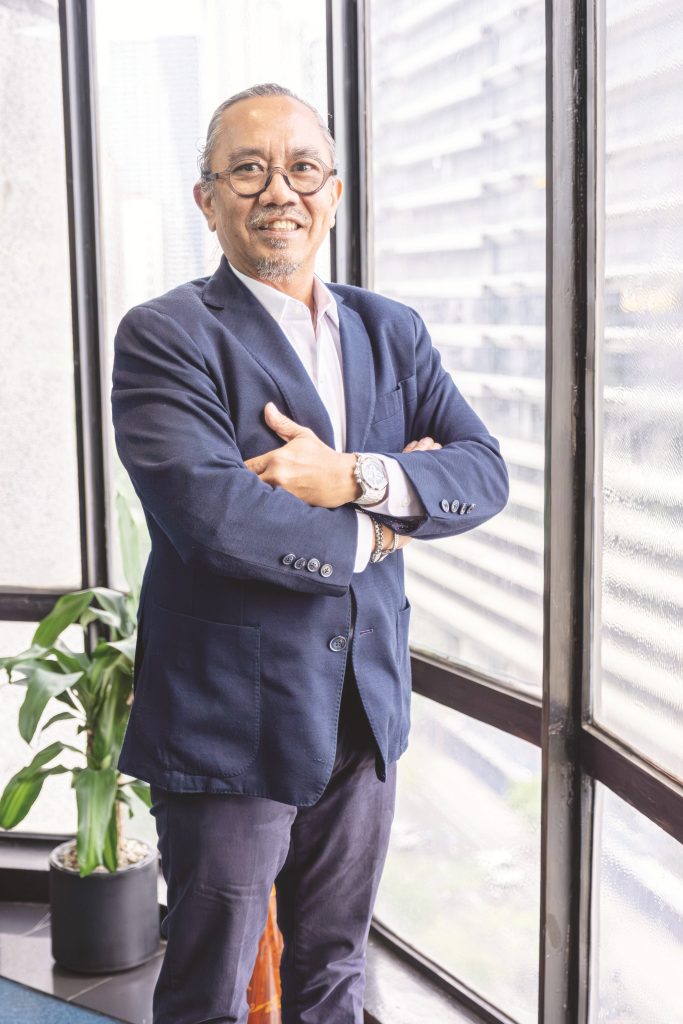
“When I’m given a property, I go there and imagine myself as the future resident,” he shares. “What would they feel living here? What do they need day to day?”
This human-centered approach reflects his architectural roots. Developments are shaped by context—the character of the land, the culture of the area, and the needs of the people who will ultimately call it home. “We build only what the community needs… It must function well, but also provide emotion and comfort,” he explains.
Turalba traces his environmental sensitivity to his upbringing. His mother, a devoted environmentalist, would insist that building plans adjust to preserve mature trees—a practice that was uncommon at the time but continues to influence how communities are designed today.
Cycles, not crises
Asked about the role of developers amid global uncertainty, Turalba emphasizes perspective. Real estate, he says, must be understood across decades, not headlines.
Markets fluctuate, demand shifts, and disruptions—from financial crises to pandemics—are inevitable. What matters is resilience and disciplined planning.
“Real estate always goes up and down—not just price, but demand,” he explains. “But long term, land always goes up. ”Having navigated multiple downturns, Active Group structures projects to remain viable even in challenging conditions. Excessive leverage is avoided so developments can be completed and commitments honored regardless of market cycles. In uncertain periods, the strategy shifts from rapid expansion to stability—adjusting timelines and costs while continuing to plan for the future.
“When times are good, you can be aggressive. When uncertain, you become conservative—but you keep moving forward.”
The rise of regional cities
Turalba believes growth should extend beyond established urban centers, particularly as infrastructure improvements reshape mobility nationwide. Cities in Batangas, for example, have evolved into dynamic economic hubs, supported by industrial zones, commercial developments, universities, and transport links. These areas offer families more space, affordability, and a stronger sense of community while remaining connected to major markets.
“The Filipino in Batangas deserves the same amenities as the Filipino in Manila,” he says, stressing the need for equal quality of life across regions.
Decentralization also reflects Filipino social realities. Living near extended family provides emotional and practical support, especially during periods of economic uncertainty.
“People can have a lower cost of living but the same quality of life—near family, less congestion, less pollution, but still with jobs, malls, and services,” he notes.
Strategically planned developments in these locations help distribute opportunity more evenly while easing pressure on overstretched urban infrastructure.
“I don’t believe the country is overbuilt,” he adds. “We just need to build in the right places.”
Mozzafiato: A lifestyle shaped by nature
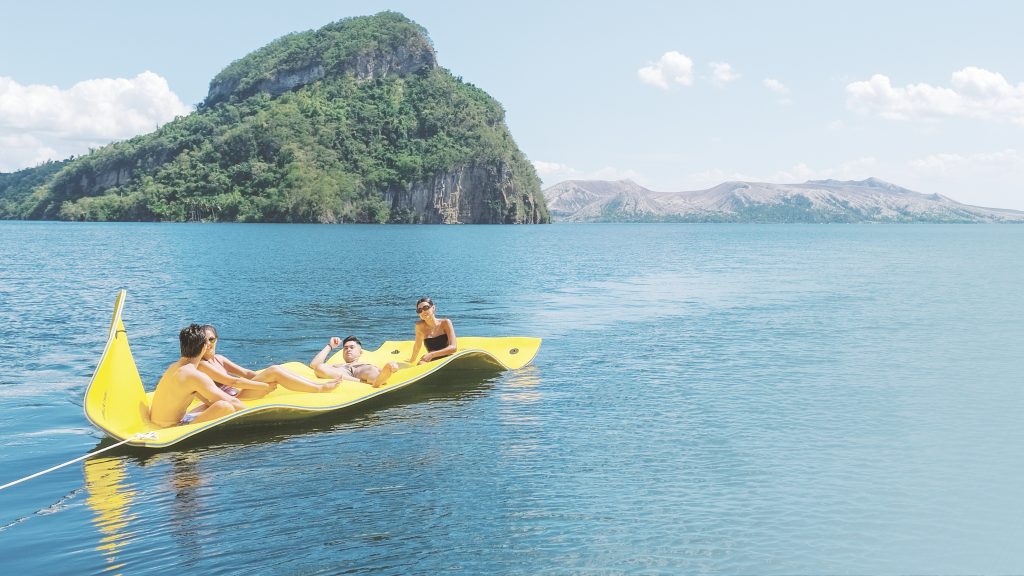
One of Active Group’s distinctive projects is Mozzafiato, a lakeside community in Balete, Batangas designed around the experience of living close to water and open landscapes.
The concept grew out of Turalba’s travels, where daily life revolves around nature, recreation, and shared spaces. Instead of replicating foreign architectural styles, the goal was to translate that lifestyle into a Filipino setting.
“When I visit beautiful places abroad, I ask: What lifestyle would I want to bring home?”
Set along the shores of Taal Lake, the development offers boating, outdoor recreation, and expansive views rarely available in conventional subdivisions. Improved accessibility allows it to function as either a primary residence or a weekend retreat. Beyond physical amenities, the project emphasizes social interaction—an often overlooked ingredient of livable communities.
“Community is key… Facilities help bring people together. That’s what makes a community alive—not just houses, but shared experiences.”
Guidance for buyers: Think long term
For property seekers, Turalba’s advice is grounded in fundamentals rather than speculation.
Location, infrastructure, and accessibility remain the strongest drivers of land value. Reliable utilities, road networks, and surrounding development create the conditions for sustainable appreciation.
“Land value depends on location and infrastructure—water, electricity, roads,” he explains.
Due diligence is equally critical. Ensuring that titles are clean and legitimate protects buyers from disputes that can undermine both financial security and peace of mind. “Make sure the title is clean and authentic.”
He cautions against treating property as a quick-profit venture. “Don’t buy property expecting quick returns… Land is an asset you can pass on.”
Property ownership, he suggests, should align with life goals—housing for a growing family, security for retirement, or a legacy for future generations.
Wealth measured beyond money
Ultimately, Turalba measures success not by the scale of developments but by the value created for residents.
“I believe that as long as we provide communities—and the country—with good property that increases in value over time, offered at affordable and reasonable terms, and buyers see their investment grow after ten years, then we have done our part in building wealth throughout the Philippines.”
In an era often defined by short-term returns, his philosophy offers a steadier counterpoint: property ownership, thoughtfully developed and responsibly acquired, remains one of the most enduring foundations for security, opportunity, and generational progress.