

As of this writing, the tensions in the Middle East that began to escalate in February have continued to influence global markets. The situation changes from week to week, but because the region plays such a central role in the world’s energy supply, any disruption there is felt across many countries, including the Philippines. It is a reminder of how interconnected the global economy has become.
I try to look at these developments with an objective mindset. Global events are part of the environment we operate in. We cannot control them, but we can understand how they affect energy prices, logistics, and the cost of goods. These factors eventually influence the decisions of investors, homeowners, and developers.
One of the most immediate effects of the situation is on oil. Whenever oil prices move, transportation and logistics costs follow. This affects everything from food to construction materials. President Bongbong Marcos Jr.’s early declaration of a national energy emergency was helpful because it raised awareness and encouraged preparedness. Now, a whole‑of‑government approach is supposed to help the country navigate these pressures in a coordinated way, making sure the impact on families, especially those with fewer resources, is kept as manageable as possible.
The recent passage of Republic Act No. 12316, which gives the President the authority to temporarily suspend VAT and excise tax on fuel, is also a significant source of relief. By easing pressure on fuel‑related costs, the law helps households and businesses manage their day‑to‑day expenses at a time when global prices remain unpredictable.
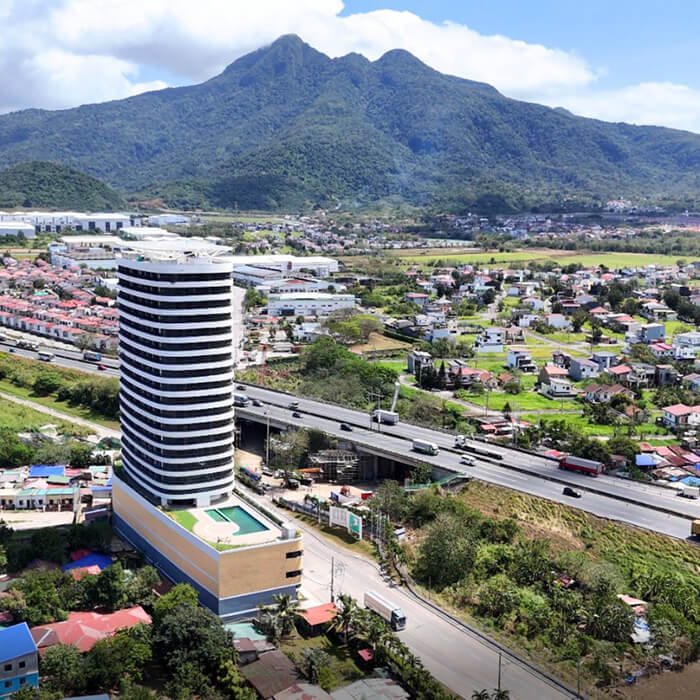
Despite these challenges, real estate has remained relatively stable. Property has always been seen as a store of value, especially during periods of inflation, particularly for assets that still offer strong upside potential for buyers, as seen in emerging cities across the country. In our case at Italpinas, sales remain active, and I am happy to note that many continue to view real estate as a long‑term investment that protects their savings.
On the other side, oil may affect the cost of transporting construction materials, and with global uncertainty, can push prices upward. Companies that have been able to purchase materials before the crisis will have a buffer and may experience delays in the impact of rising construction costs. At Italpinas, as part of our standard operating procedure, we purchase materials two quarters in advance, which helps cushion potential increases. For future purchases, we could anticipate some upward pressure on costs, but we are actively mitigating this through value engineering and other cost-optimization strategies. We are adjusting margins, offering more personalized payment schemes, and introducing news sales promotions to support our end buyers and sustain sales.
Another important factor to consider during these critical times is overseas employment. Our OFWs in the Middle East may feel some uncertainty, but many in other regions remain stable. In fact, they may be benefiting from the strong US dollar, which has increased the purchasing power of many Filipino workers abroad. In many cases, the stronger dollar helps offset any slowdown from specific regions.
When we look at the broader real estate market, the situation varies by location. Metro Manila has been experiencing a slowdown for some time, mainly due to a mismatch between supply and demand. Prices in many areas rose faster than rental yields, making it harder for investors to achieve acceptable returns. This trend existed even before the current crisis in the Middle East erupted.
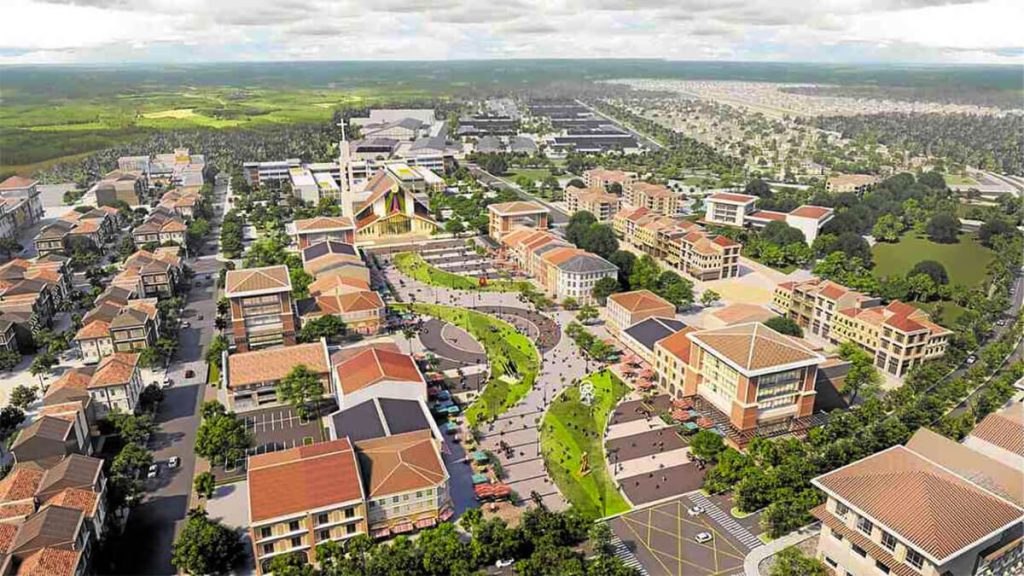
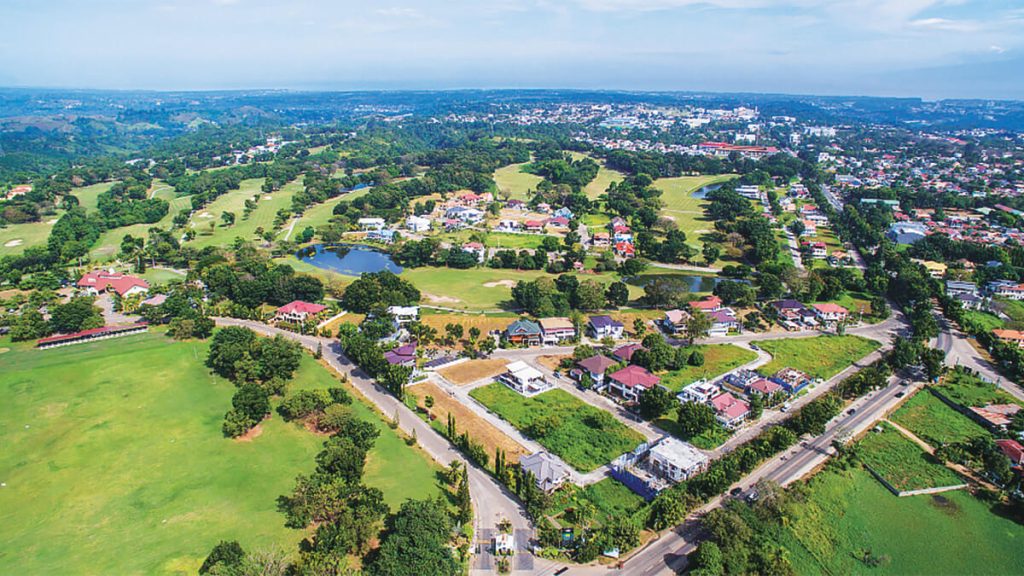
In contrast, several areas outside Metro Manila continue to show strong potential. Unit prices are more accessible, rental yields are healthier, and demand remains steady. While many developers are now expanding into secondary and tertiary cities, they still need to manage and sell existing ready-for-occupancy (RFO) inventory in Metro Manila. Fortunately, at Italpinas, we anticipated this shift early on—since our incorporation in 2009—and deliberately focused on emerging cities ahead of the curve. Our projects in places like Batangas, Cagayan de Oro, Bataan and Palawan continue to perform well, supported by improving infrastructure, growing local economies, and underserved demand.
To say that infrastructure plays a major role in shaping real estate opportunities would be an understatement. When highways, airports, and transport links expand, new growth corridors emerge. Areas that once seemed far suddenly become accessible. The Philippines—through its Public‑Private Partnership (PPP) initiatives—is making progress in building and upgrading infrastructure, and this creates opportunities for both developers and investors.
Looking ahead, the country is well‑positioned to attract more investment. As global capital looks for stable and growing markets, Asia remains a strong destination. Countries with strong demographics, young populations, and real internal demand for services and goods—such as Vietnam, Indonesia, and the Philippines—are expected to benefit. To maximize this opportunity, the government can continue strengthening efforts to present the Philippines as a safe and predictable place to invest. A key factor is to streamline permitting process, make it more efficient, fast and predictable. This will make it easier for businesses to operate and to create values that help the growth of the country in difficult times.
How can we help as the nation navigates this crisis? The real estate sector can play a meaningful role in supporting national resilience. By prioritizing economic developments, providing special financial tools to the developers—as the government is doing—the economy will benefit. Also, pushing the development of hotels and serviced apartments in new locations can help stimulate local growth. Better if all these developments are green, sustainable, easy to operate, and designed for long‑term value. This complements the efforts of government to stabilize the economy and support communities during uncertain times. If we design smarter and build responsibly, we contribute to a stronger and more resilient Philippines. As we move through this period of uncertainty, there is reason to hope that the situation in the Middle East will soon find a peaceful resolution. Global tensions eventually settle, and what matters is that we continue building with resilience in mind, so communities remain supported until stability returns.
#PhilSTARPropertyFeature
#FeaturedStory