

Two weeks ago, I delivered a lecture for architecture students from the Beijing Normal-Hong Kong Baptist University via Zoom, and the experience stayed with me in a way I did not expect. I am grateful to the organizers for inviting me and giving me the chance to share my work and the lessons I have gathered over the years. The session felt like my way of paying it forward and honoring the mentors who shaped my early journey in Italy.
What stayed with me long after the lecture ended was the curiosity of these enthusiastic students, because their questions were grounded in real concerns about climate, density, and the future of cities. It reaffirmed what I have always believed, that the next generation is not only aware of sustainability but is deeply engaged and ready to take responsibility for the world they will inherit.
When young people ask about green development, what they truly want to understand is how we can build in ways that protect their future and allow them to thrive, and this tells me that they see sustainability not as a trend but as a necessary foundation for the kind of cities they hope to build and live in. That kind of awareness gives me hope because it shows that the shift toward responsible design is already happening in their minds.
In the company of these learners, I found myself remembering my own early years as a hopeful young student at the Sapienza Università di Roma, my alma mater that has long been recognized among the world’s best for Classical Studies and consistently ranked within the top universities for architecture. I studied there in the 1980s and graduated summa cum laude, a distinction I still hold dear. My time at Sapienza was rigorous and transformative, and the Valle Giulia campus, surrounded by Rome’s artistic and architectural splendor, created an environment where history and innovation seemed to meet at every corner.
Even as a student then, I already felt drawn to modern and sustainable design, a path that often made me feel like an outsider but one I believed in deeply. Thanks to the openness and encouragement of my professors, I was pushed to explore ideas that were unconventional at the time, including my thesis on an electric concept car. Those years shaped not only my skills as an architect but also my character, and they continue to guide the way I approach design today. My teachers there were my first mentors.
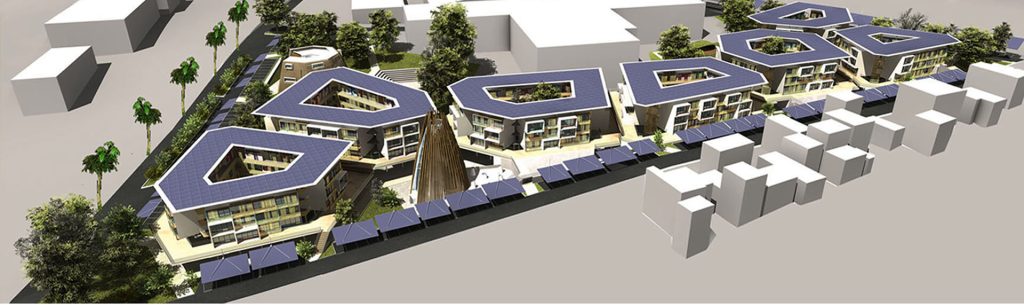
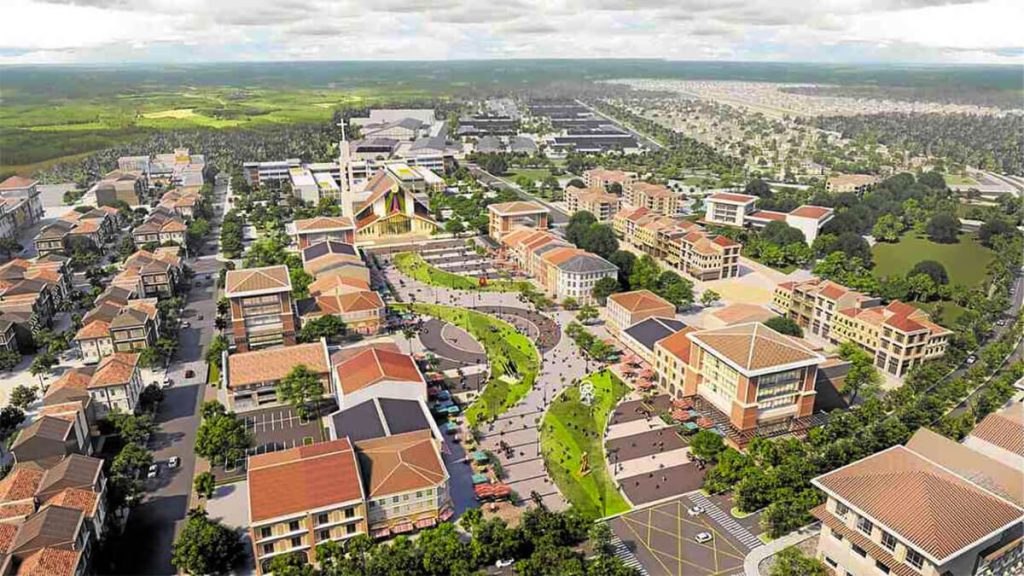
As I gained experience in my professional life and pursued my green living advocacy, I shared during the lecture how nature has greatly influenced my own designs. One of the greatest inspirations that has guided me and the people at Italpinas Development Corporation (IDC) is the application of biomimicry in our projects. In layman’s terms, biomimicry is the practice of studying how nature solves problems and applying those principles to human design. It is a discipline that pushes us to observe how natural systems respond, adapt, and thrive. Corals, for example, are a perfect model for modular, adaptive, and resilient communities because they grow in clusters, respond to external forces, and create structures that support life. This idea inspired our Coral City concept, where Voronoi geometry helps us design living clusters that adapt to the shape of the land and the needs of the community.
Biophilia was another important part of our discussion. It is the simple idea that people need a connection to nature, and in tropical countries like the Philippines this connection is not only emotional but also practical. Buildings that breathe, shade themselves, and work with the climate reduce energy use and improve comfort, and these are not futuristic ideas but basic principles that our ancestors understood long before modern construction methods arrived.
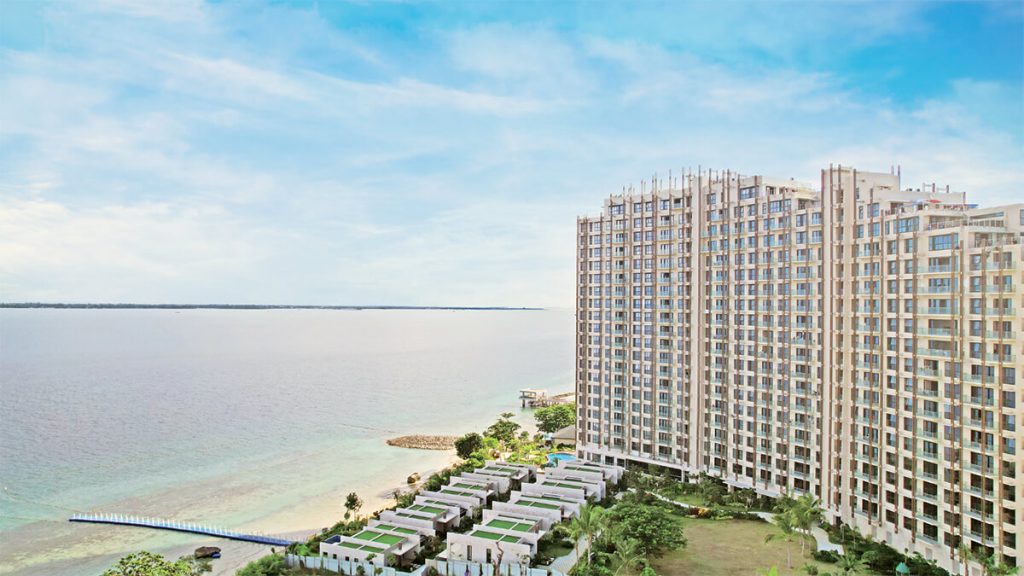
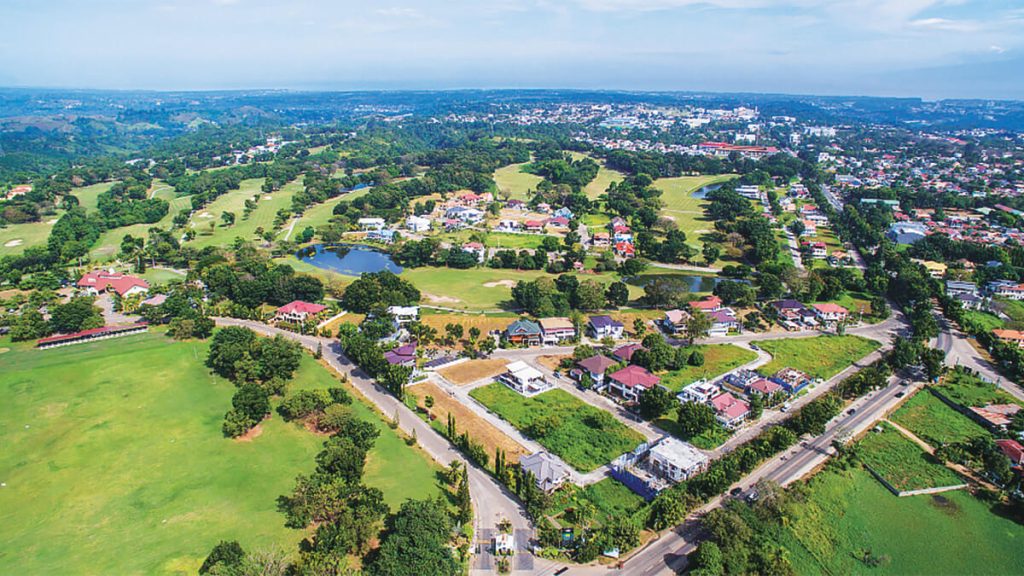
I also shared examples from our own projects at Italpinas. Primavera Residences in Cagayan de Oro was designed with passive cooling in mind, using its shape, orientation, and inner courtyard to reduce heat gain and improve airflow. Miramonti Green Residences in Batangas follows the same philosophy, using shading, natural ventilation, and renewable energy to create a more efficient and comfortable environment. These projects show that sustainable design is not theoretical but possible, practical, and economically sound.
I also explained how green development can spark an inclusive economy where everyone benefits: end users enjoy a healthier environment with lower maintenance costs; shareholders gain a profitable vehicle that doesn’t harm nature; retail buyers see faster real estate appreciation; and most importantly, the environment is protected while communities prosper.
Green development is often misunderstood as an added cost, when in reality, it is an investment that pays off over time. Cities that integrate nature attract talent, tourism, and long-term growth, and they are more resilient to heat, flooding, and rising energy prices. The Chinese students understood this clearly, and their questions reflected a mindset that sees sustainability as a strategic advantage rather than a burden.
I believe Asia has a unique opportunity to lead in this field. Our region is young, fast growing, and vulnerable to climate impacts, which means we cannot afford to repeat the mistakes of older cities that built first and worried about consequences later. Knowledge sharing across borders is essential, and I am glad that conversations like this are happening more often.
At the end of the lecture, I felt a renewed sense of responsibility. The next generation is watching how we build and how we plan, and they will live with the outcomes of our decisions. We owe them cities that are livable, breathable, and respectful of the environment, and we owe them development that does not sacrifice the future for short term convenience.
As we enter the month of May, I look forward to more opportunities to share this advocacy. I am grateful to the organizers who continue to invite me to speak and exchange ideas. On May 18, I will join the 3rd Solar Energy Storage Future Philippines 2026 at Hilton Manila in Newport World Resorts, and on May 18 and 19, I will also be at the SMX Convention Center in Pasay City for the Solar and Storage 2026, the country’s largest energy event. I hope to see many of you there as we continue the conversation on how to build a greener and more resilient Philippines, and I am excited to meet people who share the same belief that the future of our cities depends on the choices we make today.
#PropertyPR
#MediaRelease