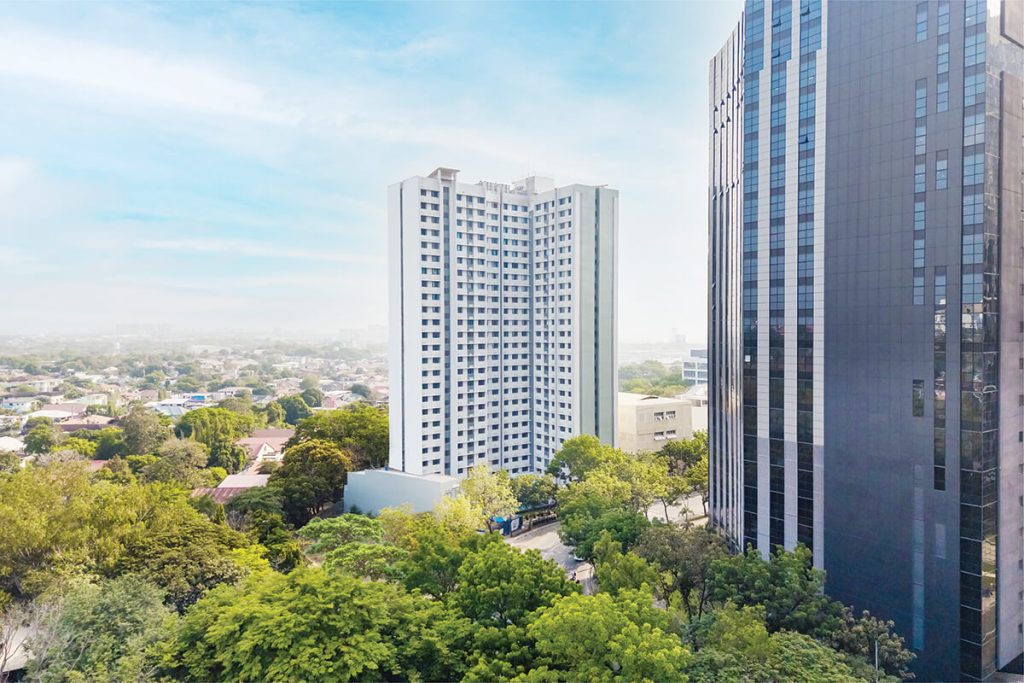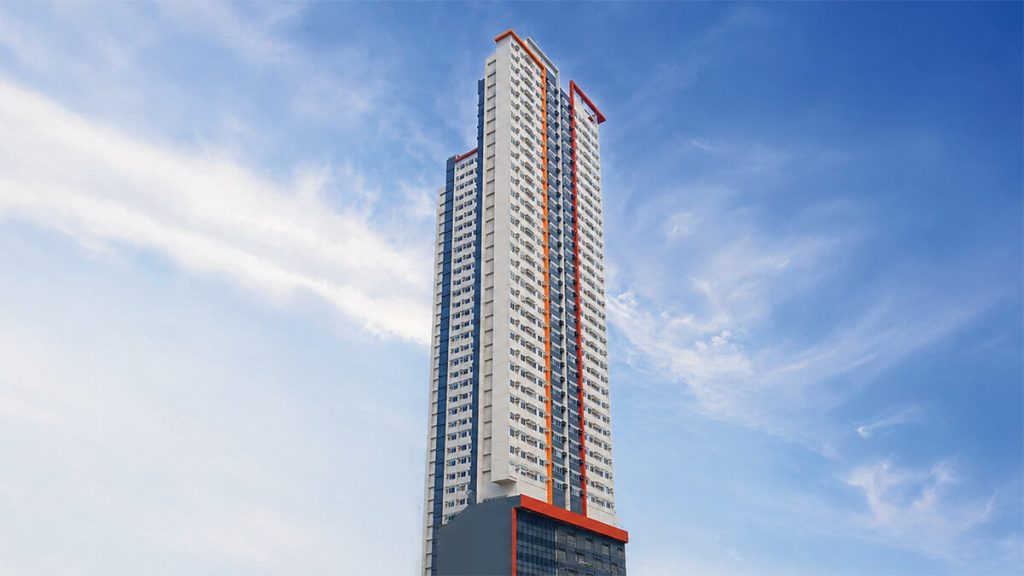


For decades, people connected city living in the Philippines with Metro Manila. Most business districts, job opportunities, and major developments were located in the capital, influencing migration patterns and lifestyle decisions across generations.
But as infrastructure improves and regional economies mature, more people are considering places outside the metro. Residential projects in provincial cities are not only seen as investment properties but also as part of today’s contemporary lifestyle.
In different cities across Luzon, Visayas, and Mindanao, vertical living is helping create what urban planners call “micro-urban” communities. These are compact, mixed-use areas where everything is in proximity.
A different pace of city living

The growth of condominiums in regional cities reflects changes in how Filipinos live today. Hybrid work arrangements, improved digital connectivity, and better transport infrastructure have allowed more people to live outside the National Capital Region (NCR) while maintaining access to urban conveniences.
According to Colliers Philippines, mixed-use and transit-oriented developments are shaping the country’s urban planning conversations, as traffic congestion and long commutes continue to affect Metro Manila residents. Many spend hours traveling every day, increasing demand for more integrated communities.
This progress has encouraged the growth of residential developments designed around convenience, such as communities near transport hubs, key establishments, and tourism areas, making daily routines more efficient and reducing travel times. It has also created a more compact and localized lifestyle compared to the traditionally wider, more spread-out residential patterns often associated with provincial living.

Changing preferences among homebuyers
The growing interest in condominium living beyond NCR also reflects shifting priorities among buyers, including Overseas Filipinos, young professionals, and investors. Instead of moving permanently to the capital, more families are choosing to stay closer to hometowns and regional business centers while still accessing modern living environments.
The approach aligns with the global trend of mixed-use and wellness-focused neighborhoods. Urban planning concepts globally, such as the “15-minute city”, have gained popularity for promoting walkability and easier access to essential services. In the Philippines, developers have been adapting similar principles within integrated estates and emerging regional districts.
While comprehensive national data on walkability in provincial cities remains limited, a recent study by the College of Architecture at the University of the Philippines Diliman highlights the importance of pedestrian-friendly spaces and integrated urban planning in improving quality of life.
Regional growth reshapes residential demand
Ongoing infrastructure projects also support the rise of regional living. New expressways, airports, transport systems, and logistics hubs are improving connectivity between Metro Manila and surrounding provinces. These developments are helping increase residential and commercial activity beyond NCR.
From being secondary markets, provincial cities are gradually becoming more self-sustaining urban centers with their own industries, business districts, and residential demand.
As these areas continue to evolve, vertical living is becoming part of a broader shift in how modern urban life in the Philippines is defined. It is no longer centered exclusively around Metro Manila but has spread across a growing network of connected communities throughout the country.
What defines a Vista Manors development?
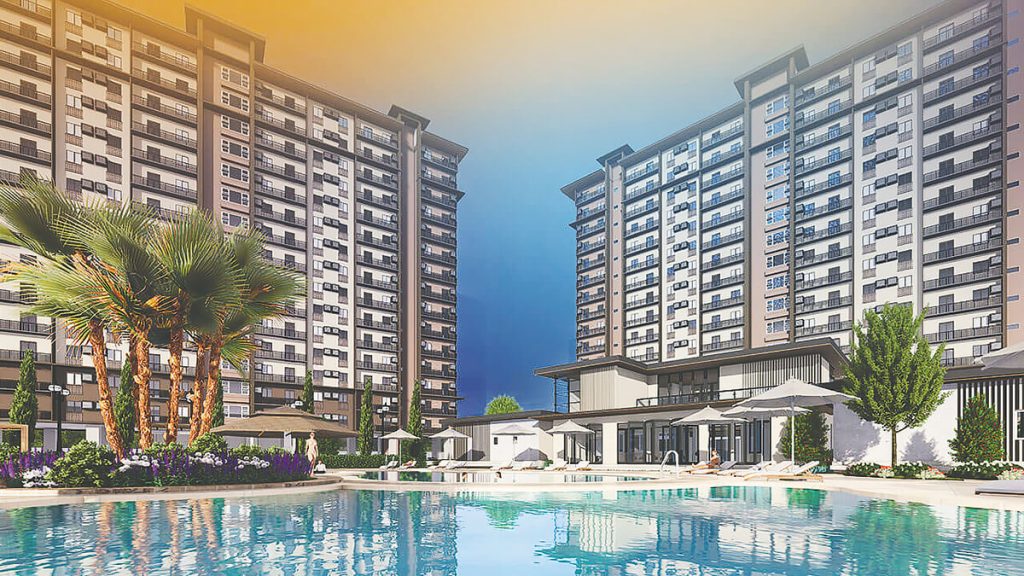
Vista Manors positions its condominium developments as “vertical villages” that integrate residential living with resort-inspired environments across regional growth centers nationwide.

Its developments are defined by:
• Accessibility to key urban and tourism corridors
• Wellness-oriented amenities for resident well-being
• Community-focused residential environments
• Investment opportunities in emerging regional markets
• Contemporary condominium living outside Metro Manila
The portfolio spans locations across Luzon, Visayas, and Mindanao, reflecting the growing demand for vertical communities in regional cities.
#PhilSTARPropertyFeature
#FeaturedStory