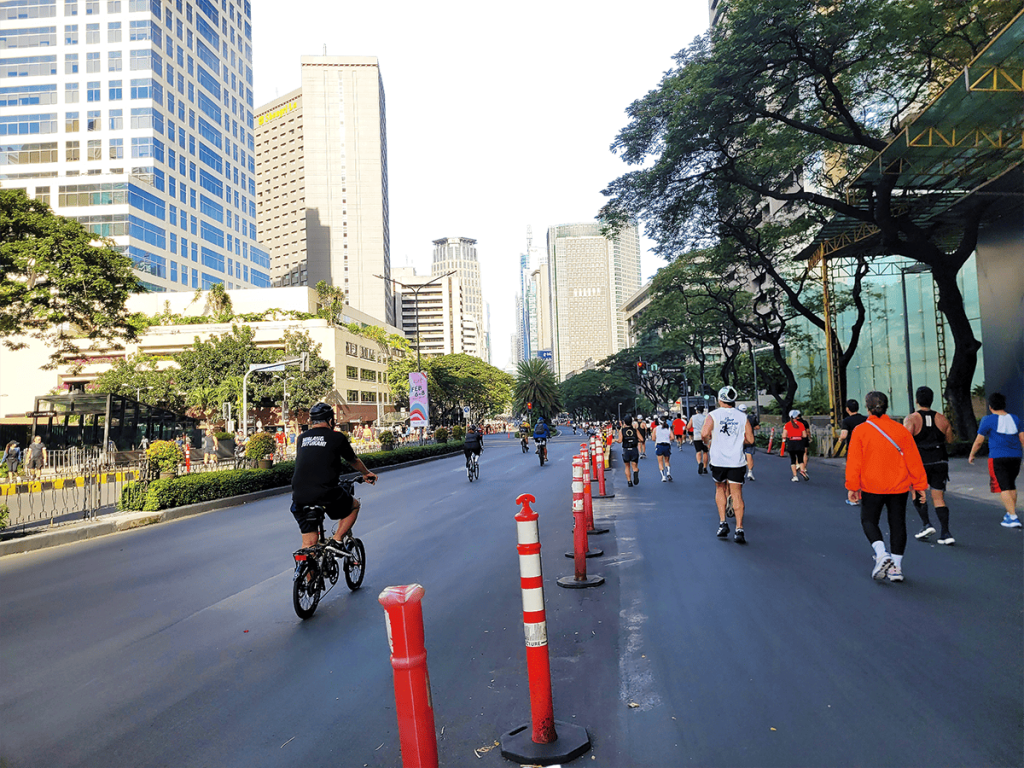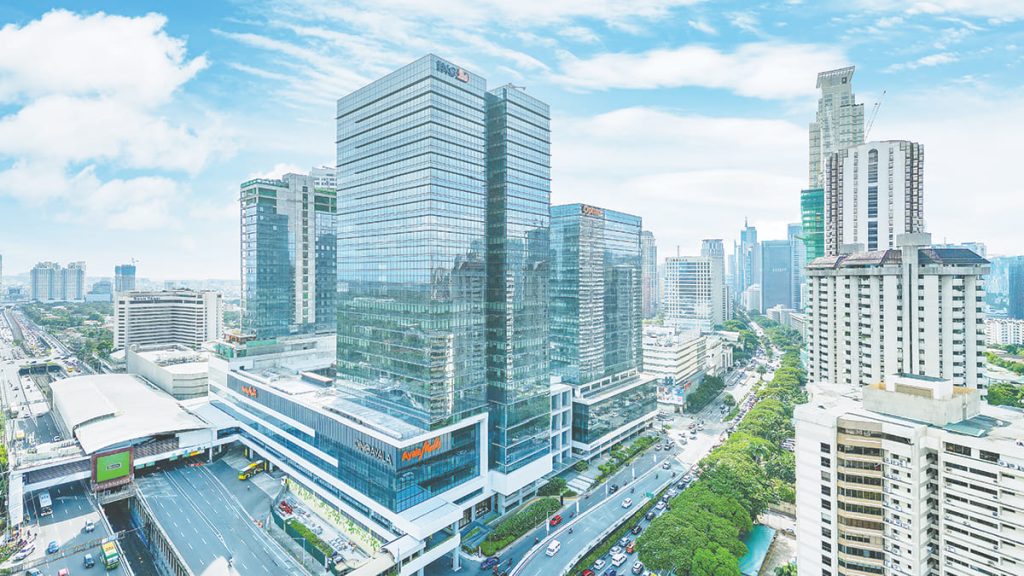


The way people choose homes is changing.
Long before buyers compare floor plans, amenities, or property values, many are already thinking about the kind of life they want to live. Increasingly, quality of life, access to nature, and a strong sense of community are becoming just as important as location or investment potential.
For Craig Lewis, urban planner, placemaking expert, and a leader at global design consultancy Arcadis, this shift reflects a growing understanding of how the places people inhabit influence their health, happiness, and everyday experiences.
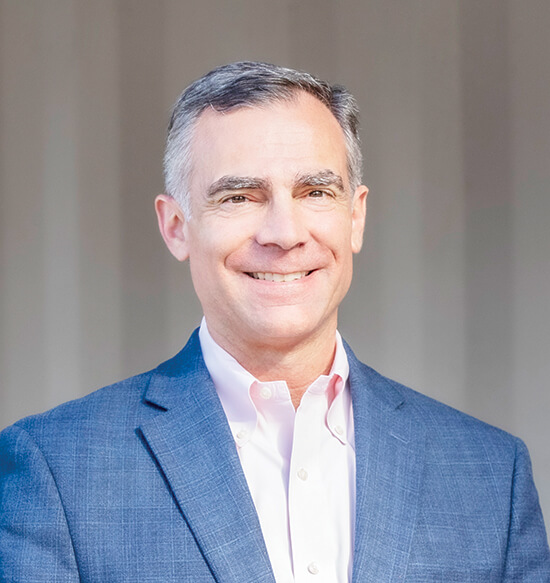
“The highest-value places all around the world are places where people can experience life on foot—walking around, navigating easily, and having access to lots of different things to do,” Lewis told PhilSTAR Property.
Throughout his career, Lewis has explored the relationship between urban design and human behavior. Drawing from neuroscience, psychology, and placemaking principles, he studies why some places naturally encourage people to walk, connect, and spend time outdoors while others do not.
Those same ideas now help shape the vision behind Pueblo de Oro Southridge, a 31-hectare mixed-use district in Cagayan de Oro designed around nature, accessibility, and everyday well-being.
Strategically located within the southern district of the Pueblo de Oro Township, at the gateway of the new Pueblo de Oro Laguindingan diversion road, Southridge is poised to anchor Uptown Cagayan de Oro’s next phase of urban growth.
The science of place
Much of Lewis’ work begins with a simple question: Why do some places feel better than others?
Research increasingly shows that the human brain responds to its surroundings in measurable ways. Elements such as greenery, walkability, visibility, and opportunities for social interaction can influence stress levels, mood, memory, and overall well-being.
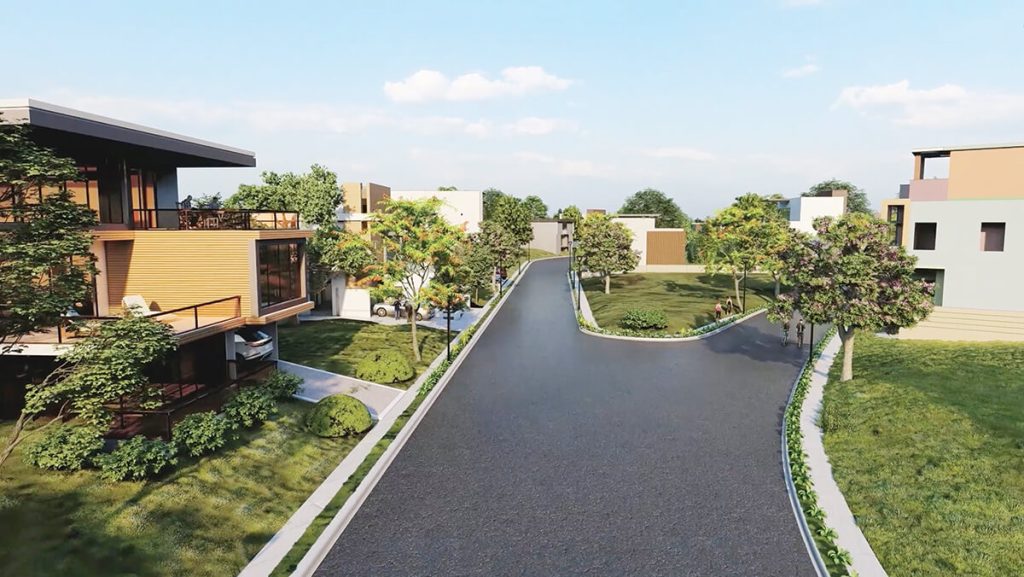
“We want to inspire people to collectively reimagine and reinvent public spaces,” Lewis said. “To think about how they’re integrating with nature, how they’re integrating with existing buildings, and how they can create communities that have true heart.”
Part of that thinking draws from neuroscience, including the concept of “place cells”—specialized cells that help people form memories and emotional connections to places.
According to Lewis, people do not simply remember buildings; they remember experiences.
“Our brains actually view certain situations more positively because of the experiences that we have there,” he said.
Whether it is walking through a park, gathering with friends, or sharing a meal, positive experiences help strengthen a person’s connection to a community.
Lewis believes successful communities ultimately respond to two basic human needs.
“As human beings, we need both safety and comfort,” he said.
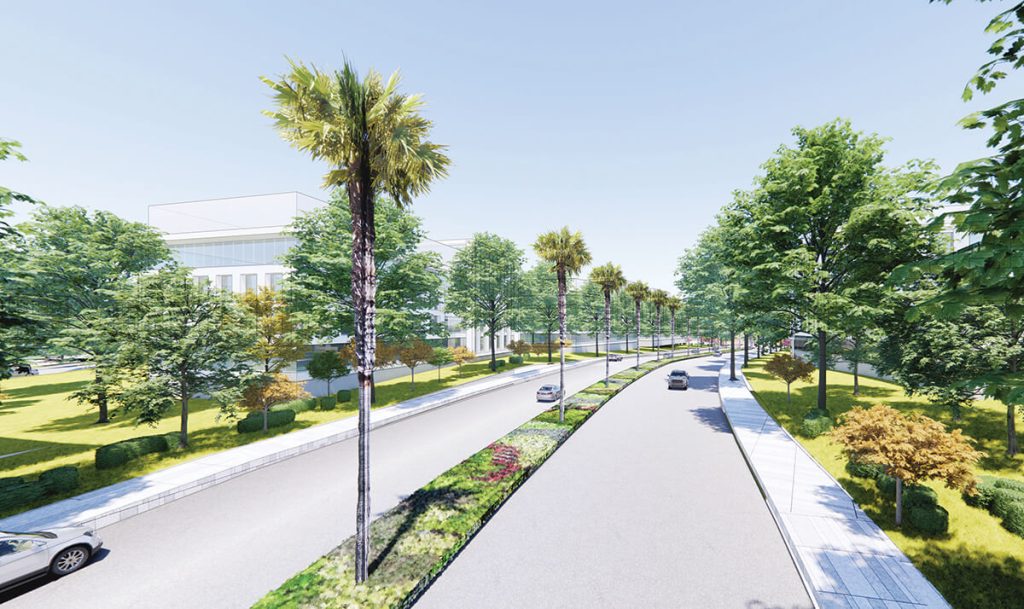
That philosophy is reflected in the design of streets and public spaces.
“We try to avoid having hard edges and blank walls along streets,” Lewis explained. “We want to open streets up with windows and doors, patios and balconies, so that people are actively engaging with the public realm.”
Destinations and journeys
These principles are reflected in the master plan for Pueblo de Oro Southridge.
Lewis often describes successful communities as a balance between “destinations” and “journeys”—places worth visiting and the experiences that connect them.
“We need destinations that are worth walking to, and we need journeys that are safe and comfortable,” he said.
The challenge, however, is ensuring that the walk itself remains engaging.
“We’ve found through our studies that if people are not interested in the walk, they’re not going to walk.”
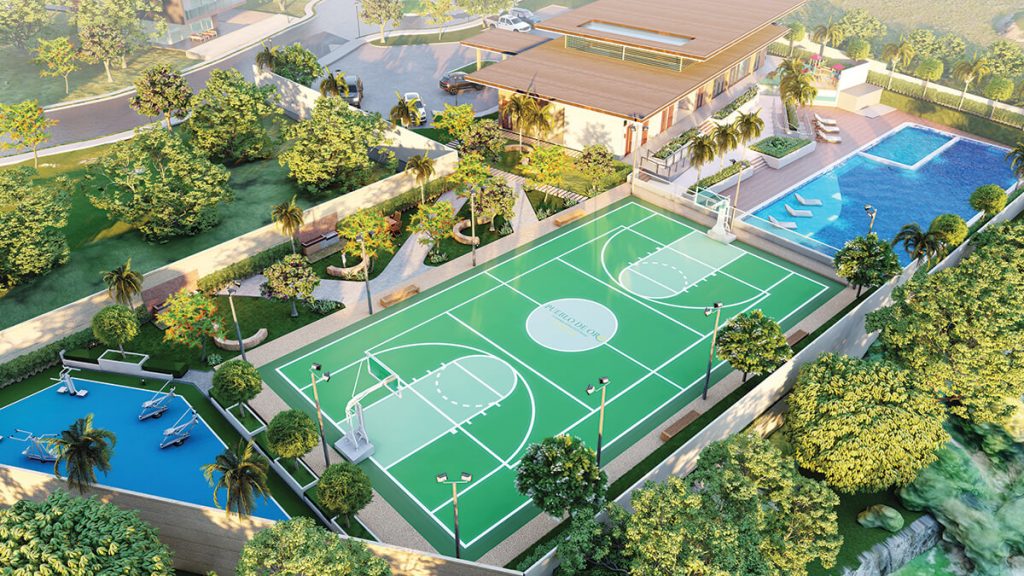
For Southridge, that means connecting parks, open spaces, retail areas, and community destinations through walkable streets and landscaped environments designed to encourage movement and interaction.
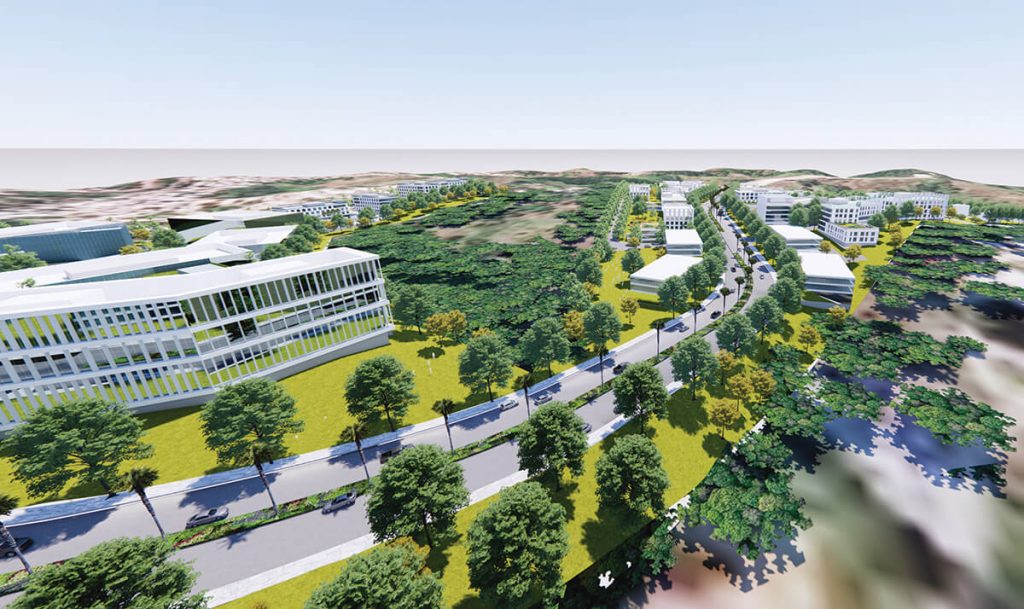
One of Lewis’ favorite elements of the master plan is the area surrounding the office and retail district.
“It’s a campus environment,” he said. “Those spaces are easily walkable from the rest of the neighborhood. People can walk around the campus, shop a little, get something to eat, and enjoy the entertainment that’s there.”
Beyond convenience, Lewis believes walkable communities contribute directly to physical and mental well-being.
“What we found is that walkable places are inherently healthier for us,” he said. “They improve our heart health, support mental well-being, make us more creative, and help clear our minds.”
The importance of these benefits became even more apparent after the pandemic.
“I think people’s desire to be close to nature certainly became much stronger when we were all locked into our homes,” Lewis observed.
Today, access to nature is increasingly recognized as an important contributor to overall health.
“Doctors are prescribing getting out and walking, getting out and being close to nature,” he said. “There are lots of medical studies showing that people improve their health by spending at least 30 minutes a day in contact with nature.”
The future of community living
Across different countries and cultures, Lewis sees remarkable consistency in what people ultimately want from a place to live.
“There are two critical elements that we see across cultures and across the globe in terms of where people want to live,” he said. “Number one is that people want places to walk, and they want places to walk to.”
The second is connection.
“People are finding that they experience social bonds through food,” Lewis said. “Across all cultures, we all bond through food.”
Whether through parks, public spaces, neighborhood events, or shared meals, Lewis believes the strongest communities are those that create opportunities for meaningful human interaction.
“The food actually feels more wonderful if you’re with wonderful people around you and really experiencing those places.”
Great communities are not simply collections of homes, roads, and amenities. They are places where people create memories, build relationships, and experience everyday life.
For Lewis, designing for better living means understanding how people move, connect, and interact with their surroundings. It is a philosophy that increasingly shapes the future of urban development—and one that lies at the heart of Pueblo de Oro Southridge’s vision of creating a community where people can truly thrive.
Southridge at a glance
Developer: Pueblo de Oro Development Corporation (PDO)
Location: Cagayan de Oro City
Land Area: 31 hectares
Master Planner: Arcadis
Pueblo de Oro Southridge is a master-planned mixed-use community designed to bring together nature, connectivity, and everyday convenience within a walkable, human-scaled environment. Strategically located just 2.4 kilometers from Masterson Avenue, 2.79 kilometers from Pueblo Business Park, and approximately 38.5 kilometers from Laguindingan International Airport, the development provides easy access to key destinations including SM City Cagayan de Oro, Gaisano City Uptown, and Xavier University–Ateneo de Cagayan, placing residents and businesses at the heart of Northern Mindanao’s premier growth corridor.
Key Features
- Low-density, park-inspired master plan
- Walkable neighborhood design
- Approximately 2.7 hectares of parks and open spaces
- Green corridors and tree-lined streets
- Five- to ten-minute walkability across key destinations
- Integrated residential, commercial, and business components
- Live-work-play environment
- Human-scale streets and public spaces
- Flexible mixed-use planning designed for long-term growth
- Excellent connectivity to major business, retail, education, and transport hubs
#BrandedUp