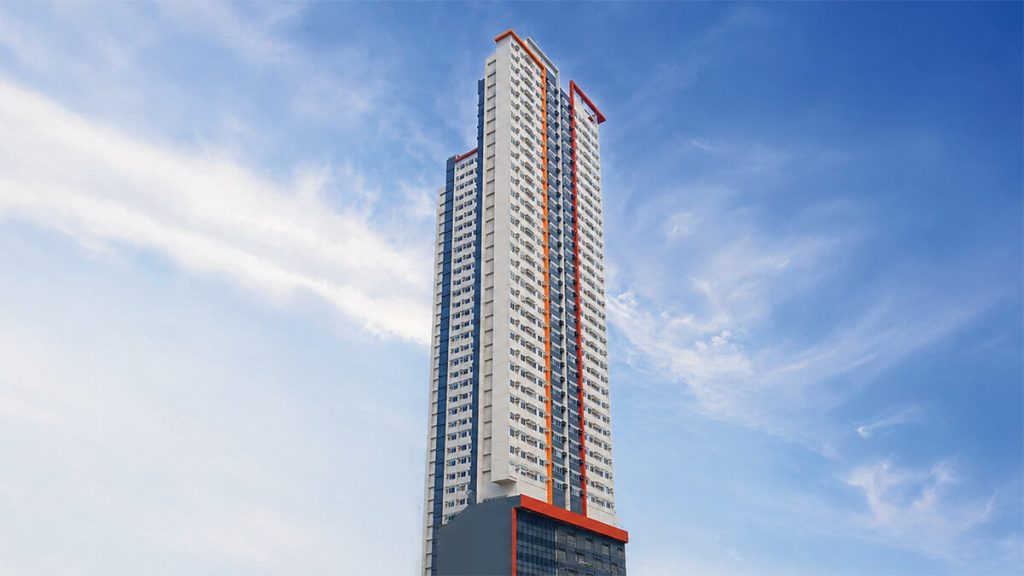


Given the Philippines’ rise to upper-middle-income status, as classified by the World Bank, it is reasonable to expect that urbanization will continue to draw people into Metro Manila and emerging hubs such as Cebu, Pampanga, and Davao. This makes it imperative for real estate development to move beyond simply stacking condominiums along already congested roads. Instead, the focus should be on integrating transport, employment opportunities, and green spaces into cohesive, livable environments.
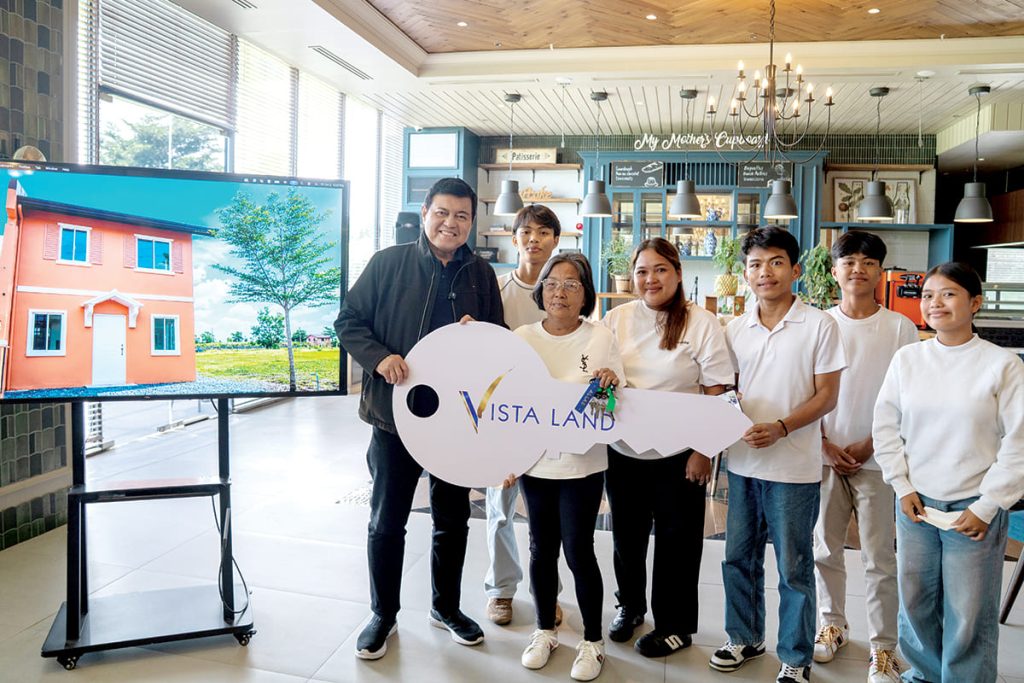
As we have observed, demand will continue to be shaped by overseas workers, the expansion of the BPO sector, and the rise of digital and remote work. These forces call for more flexible housing, co-working spaces, and community-oriented developments—projects that prioritize resilience, sustainability, and the everyday lives unfolding between buildings, not just the structures themselves. An example of this is Villar City which is a 3,500-hectare master-planned city in Cavite—that will have its own university town, stadium, golf course, retail districts, and residential communities.
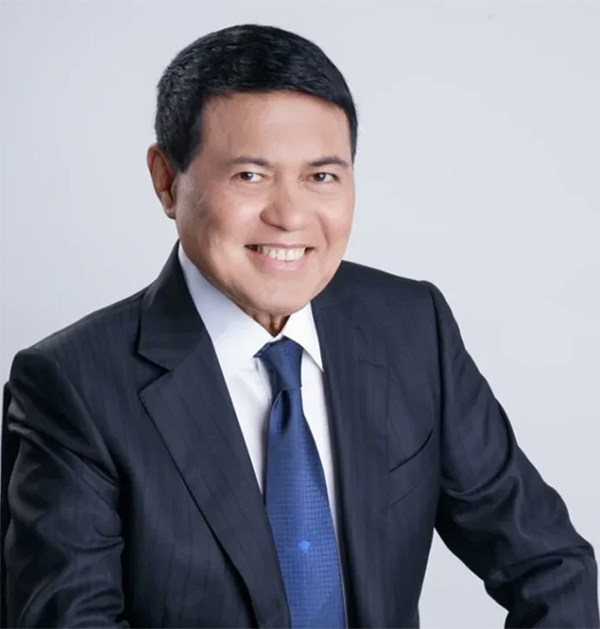
Chairman, Villar Group
At the same time, I hold to what I consider an enduring truth that has guided me since I started in 1975: every Filipino deserves an elevated, world-class experience of global standards. Developments that cultivate a genuine sense of community and belonging where Filipinos can work, worship, and celebrate within a walk or a short ride.
#PropertyPR
#MediaRelease