

When heavy rain falls on a city, most people notice the immediate effects: flooded roads, slow-moving traffic, overflowing waterways, and the search for a dry route home.
But beneath all that is a question that cities increasingly need to consider:
Where does all that rainwater go?
As urban areas become more built up, more land is covered by concrete, roads, and other hard surfaces. Rainwater that would once have been absorbed gradually by soil and vegetation can instead run off more quickly.
This makes the way communities manage stormwater an increasingly important part of urban planning.
And sometimes, the answer can include something as natural as a forest.
When green space does more than look green
Green spaces are often valued for the shade, cooler surroundings, and respite they provide in increasingly dense urban environments.
But well-planned green spaces can also have a functional role in managing rainwater.
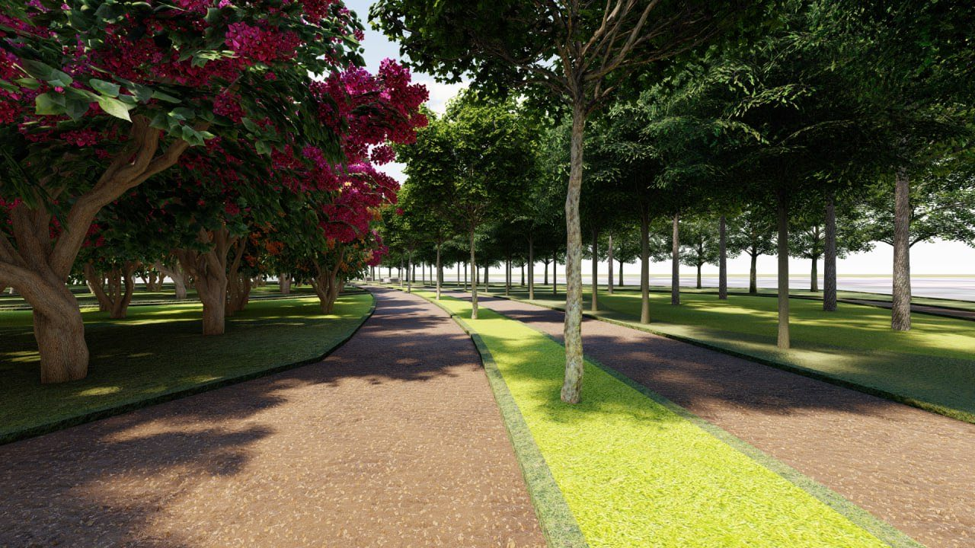
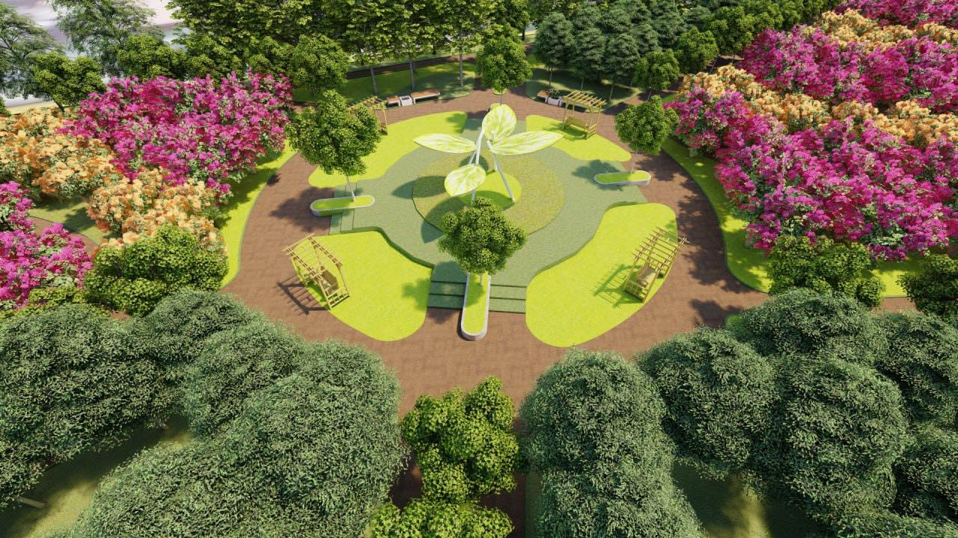
At Empire East Highland City, a 22-hectare township in the Pasig-Cainta area, Highland Forest is being developed as a 1.36-hectare man-made forest designed to become part of the township’s approach to stormwater management.
The planned forest is designed to accommodate up to 16,539 cubic meters of stormwater.
Rather than treating rainwater simply as something that needs to be removed as quickly as possible, the concept allows the landscape itself to become part of the system.
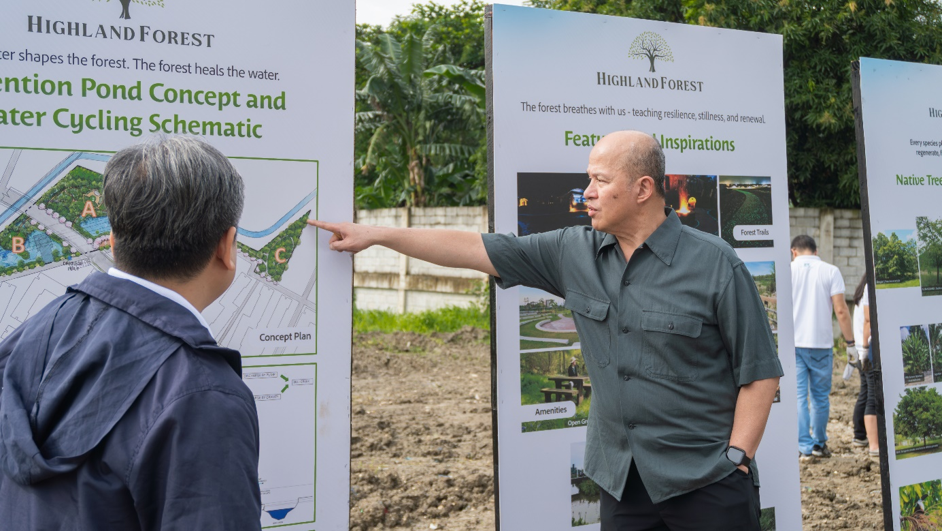
Once developed, the forest is designed to receive and help manage rainwater runoff before its controlled release toward the adjacent Buli Creek.
It is an example of how landscape design and infrastructure can work together instead of being treated as completely separate considerations.
A different way to manage rainwater
The idea behind Highland Forest reflects a broader shift in how urban spaces can be designed.
Instead of relying only on conventional drainage infrastructure, developments can also consider how natural elements such as soil, vegetation, and landscaped areas can contribute to managing rainfall.
This becomes particularly relevant in the Philippines, where heavy rains are a regular part of life.
Urban development inevitably changes how water moves across land. The challenge is to ensure that as communities grow, the movement and management of water are considered alongside roads, buildings, and other infrastructure.
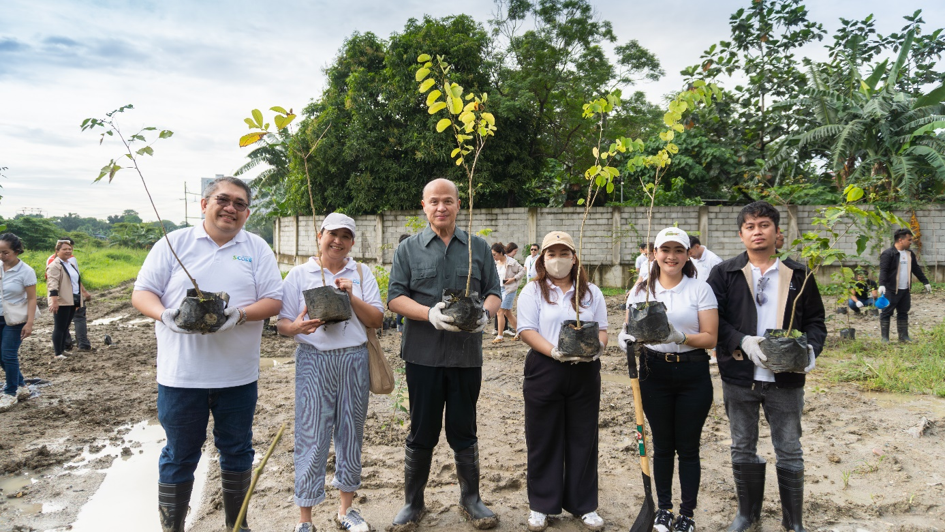
Highland Forest is being planned with Philippine-native trees and vegetation, reinforcing the idea that an urban forest can be both a community amenity and a functional component of the larger development.
Tree planting in the area has already begun, while the full forest and its planned features are still being developed.
Planning for a more resilient community
The concept does not suggest that a single forest can prevent flooding. Urban flooding is influenced by many factors, including rainfall intensity, drainage capacity, waterways, and surrounding development.
But incorporating natural systems into the planning of a community can provide another layer of resilience.
For Empire East, Highland Forest is part of a broader vision for Empire East Highland City—one where green spaces are not simply decorative features placed between buildings, but are considered in relation to how a community functions.
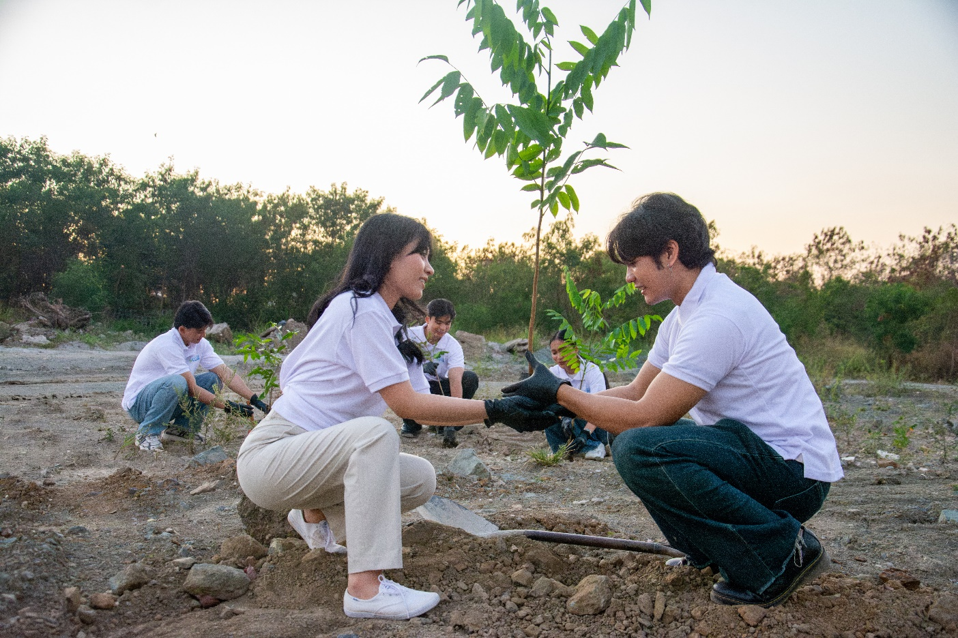
Once completed, the forest is envisioned as a place where residents can experience nature within an urban setting while also serving a practical role in the township’s stormwater strategy.
It offers a different way of thinking about what an urban forest can be.
Not simply a space that becomes valuable when the weather is fine.
But a planned piece of the community that is designed to have a purpose when the rain comes.
#PropertyPR #MediaRelease