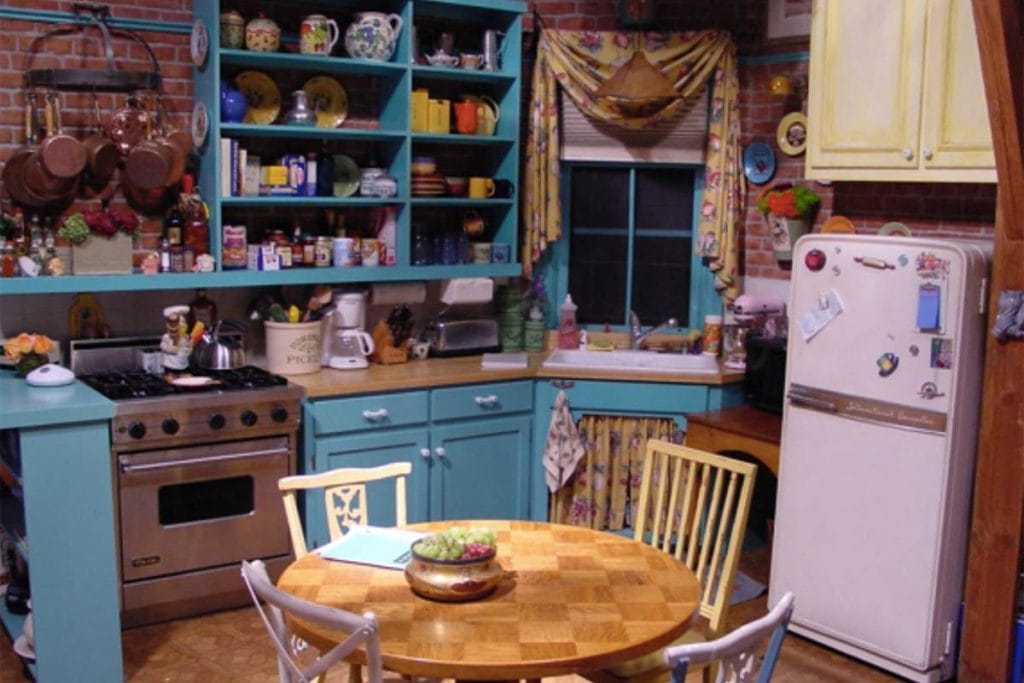


In 2026, one thing has become increasingly clear in my experience as an interior designer: people are not simply looking for beautiful spaces. They are looking for places where they can belong, connect, and spend meaningful time with others.
The idea of the “social space” is not new. Traditionally, it refers to places outside the home and workplace where people gather and build community. Today, however, I believe this idea has expanded. A social space can be a café, a gym, a student lounge, or almost any environment that gives people a reason to stay, interact, and return.
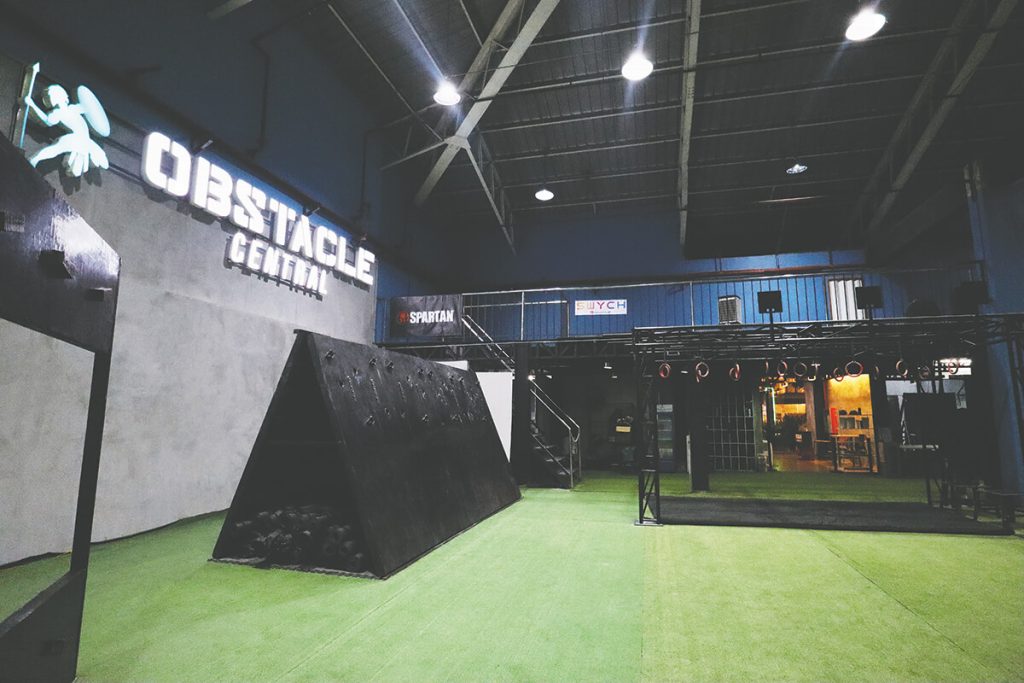
I have seen this shift reflected in several of my own projects. At Obstacle Central, fitness goes beyond working out. With the growing popularity of hybrid training and active lifestyles, gyms have also become social environments. People train together, encourage one another, exchange experiences, and become part of a community. Designing fitness spaces today therefore means thinking not only about equipment and circulation but also about how the environment can support energy, motivation, interaction, and a shared sense of purpose.
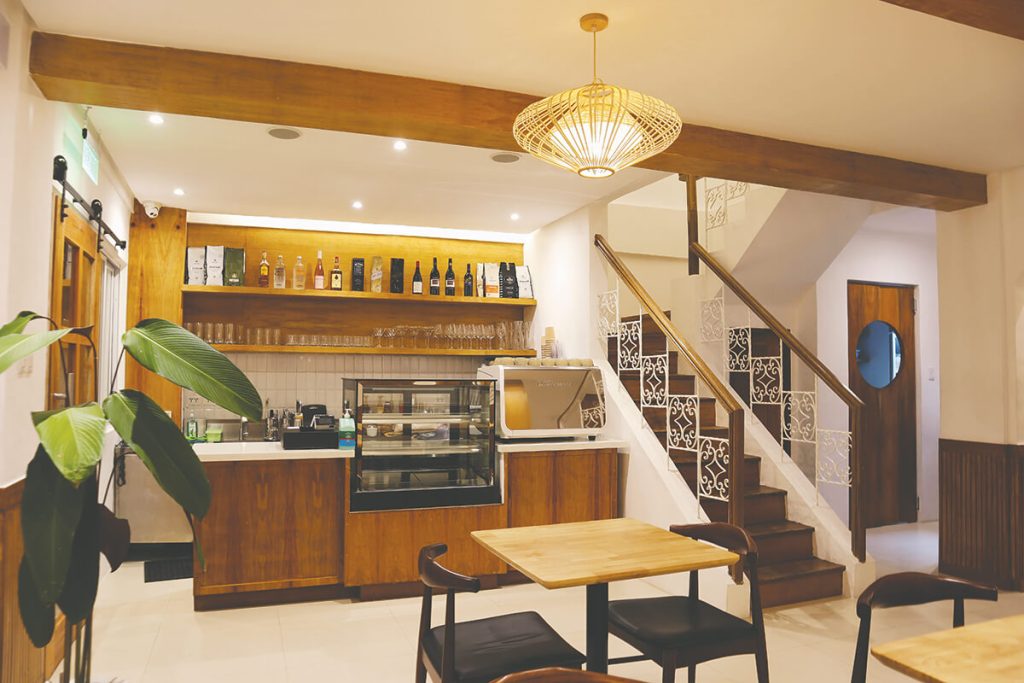
The same idea appears differently at Crepe Central. Cafés have always been places for conversation, but today they are becoming even more flexible. People come not only to eat or drink, but also to work, meet friends, attend workshops, learn something new, or spend their weekends with a community. This changes how we think about café interiors. Seating arrangements, flexibility, lighting, and atmosphere all contribute to whether people simply visit or genuinely want to stay.
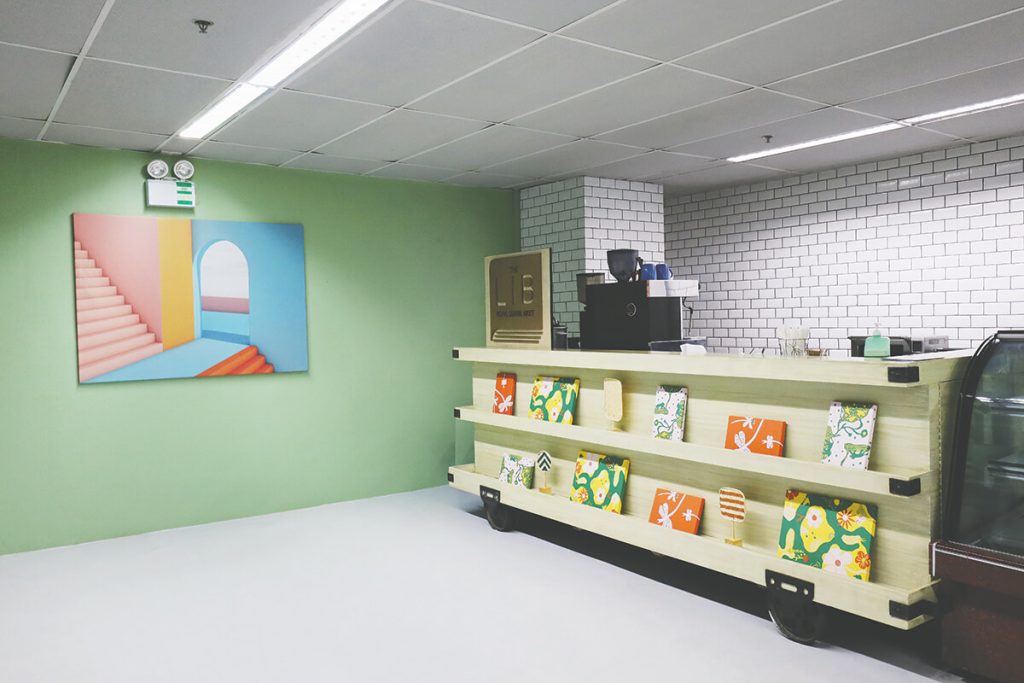
This need for connection is equally important in educational environments. Through projects such as the Center for Culinary Arts (CCA) Cafeteria Student Lounge and the Benilde Antipolo Student Lounge, I have observed how students naturally look for spaces between their formal classes: somewhere they can study, eat, collaborate, talk with friends, recharge, or simply sit for a while.
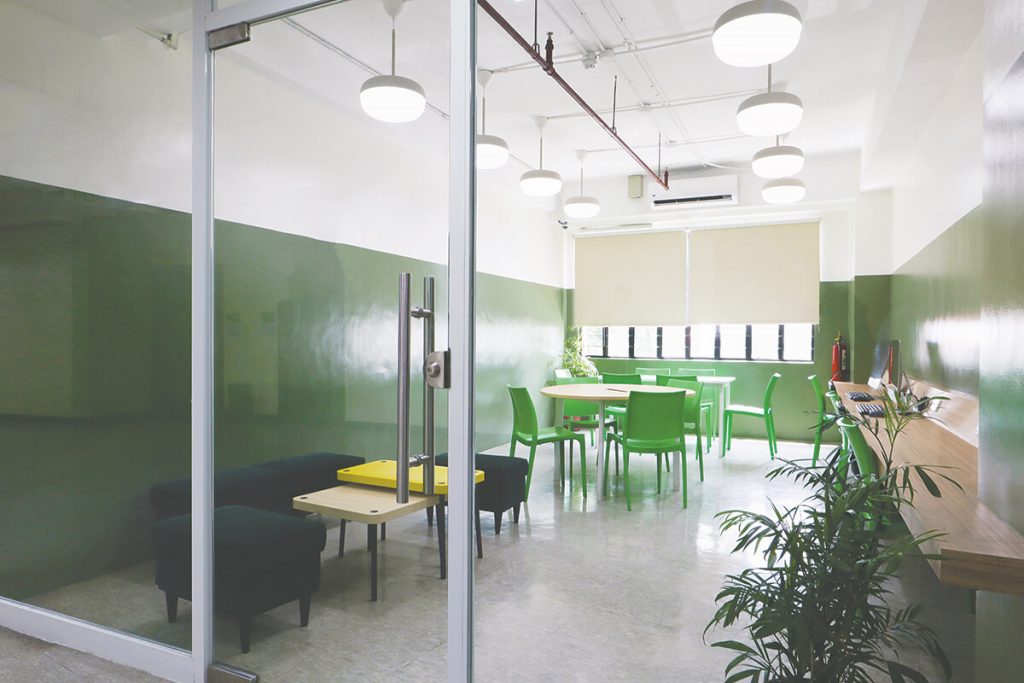
The Benilde Antipolo Student Lounge, which I designed in collaboration with IDr. Patrick Roy Javier, was developed around this idea of creating a space for connection and belonging. Rather than treating the lounge as merely a waiting area, we envisioned a flexible and welcoming environment that could accommodate individual work, collaboration, social interaction, and rest.
For interior designers, this presents an important responsibility. We are no longer designing spaces solely around their primary function. A gym can become a community. A café can become a place for learning. A student lounge can become part of a student’s sense of belonging.
As our lives become increasingly digital, perhaps the value of physical space lies precisely in what technology cannot fully replace: the experience of being present with other people. Designing for connection means creating places that do more than look good. It means creating spaces where people want to stay, participate, return, and belong.
#PhilSTARPropertyFeature
#FeaturedStory