

There was a time when “amenities” meant a pool, a gym, maybe a function room you rarely used. Today, wellness has become something deeper: more intentional, more integrated, and—increasingly—non-negotiable.
Across the Philippines, developers are rethinking space not just as shelter or investment, but as a daily environment that shapes how we feel, move, and live. Wellness is no longer a luxury add-on; it is becoming the framework.
And you see it everywhere.
Nature as everyday infrastructure
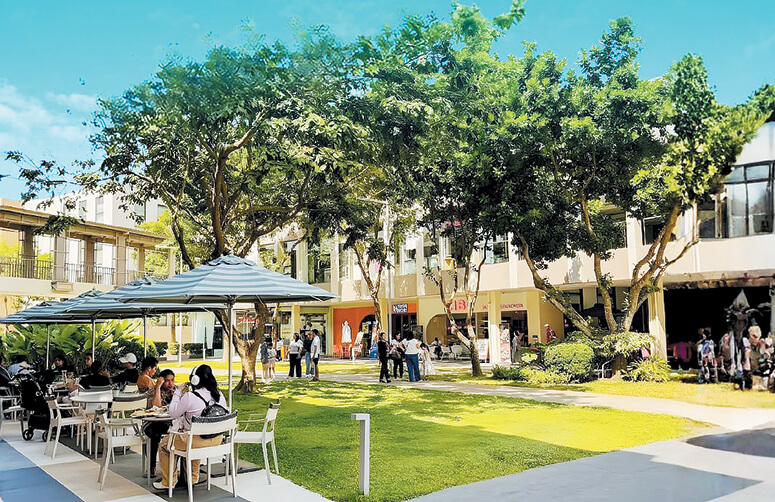
In masterplanned communities like Nuvali and Parklinks, wellness begins with something deceptively simple: green space.
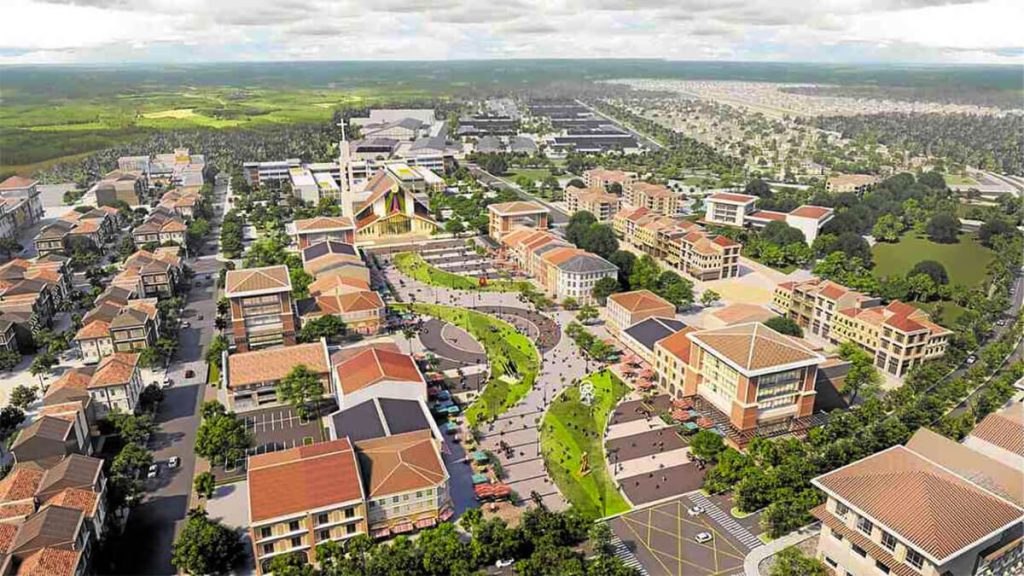
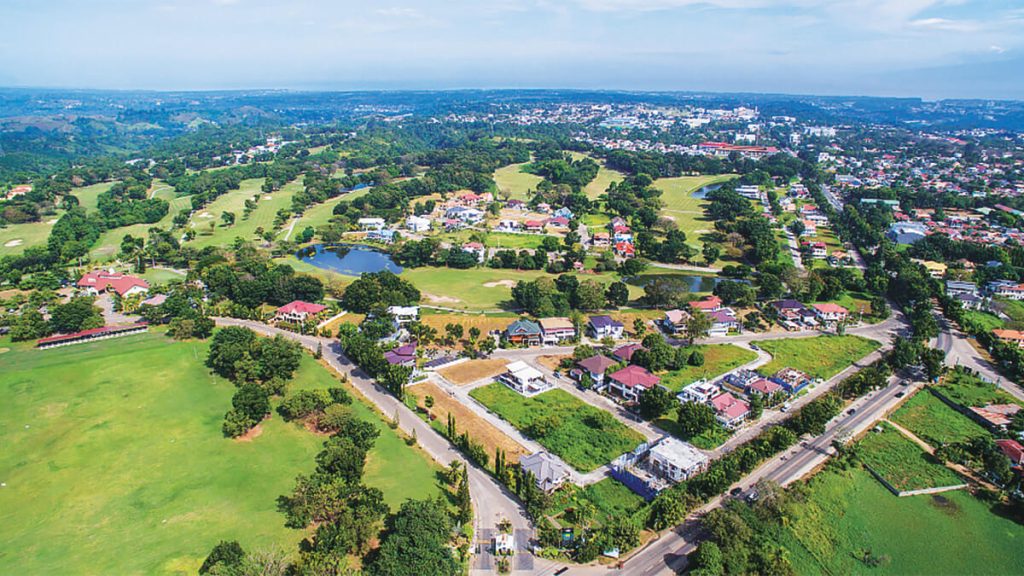
Nuvali, spanning nearly 23 square kilometers, was envisioned as an eco-city, where residential, commercial, and recreational spaces are interwoven with nature.
Meanwhile, Parklinks dedicates roughly half of its land to open, green areas—an increasingly radical move in dense Metro Manila.
This is not landscaping as decoration. It’s landscaping as infrastructure.
Walkability, shade, air flow, and access to water and trees all contribute to lowering stress levels and encouraging movement. These developments understand something essential: that wellness is cumulative. It is built in the small, repeatable moments: morning walks, open skies, the ability to pause.
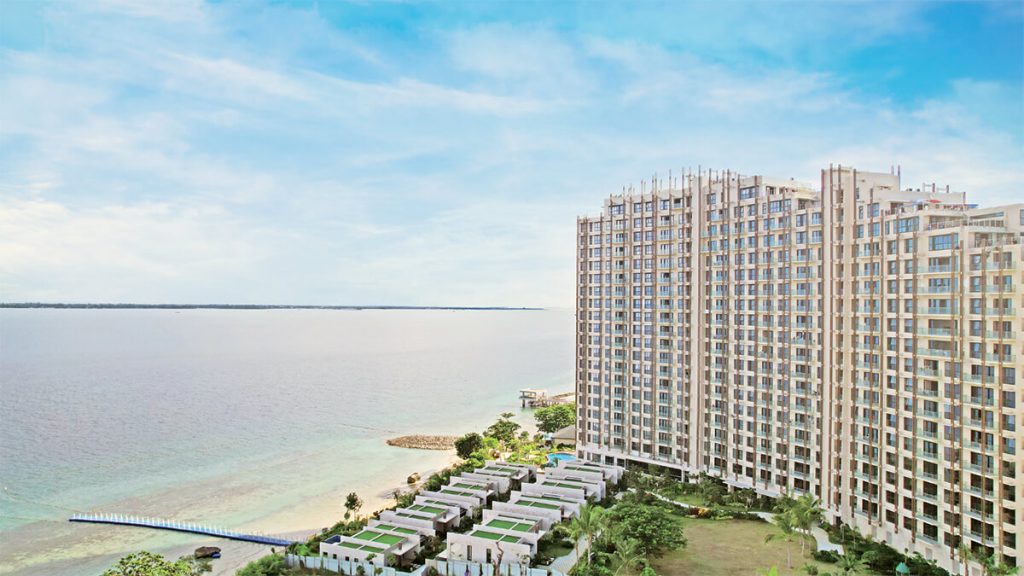
Even in vertical living, projects like Primavera Residences show how design can work with climate. Its architecture maximizes natural light and ventilation, reducing reliance on artificial systems while improving everyday comfort.
The takeaway is clear: wellness starts long before you enter your unit.
The resortification of home
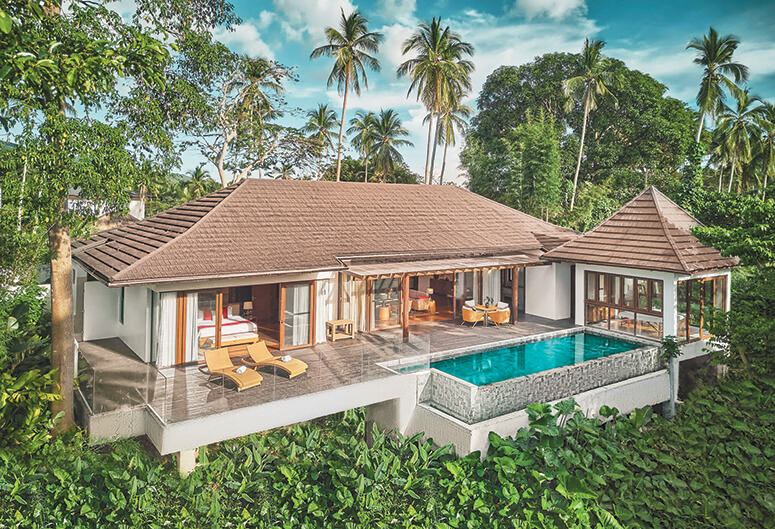
If the first wave of wellness was about green space, the second is about immersion.
Developments like The Farm at San Benito have long set the benchmark. Spread across over 50 hectares, it offers a holistic approach—combining nature, medical wellness, and residential living in one environment.
This model is now influencing residential projects. Beachfront communities such as Sandari Calatagan are positioning themselves not just as second homes, but as restorative spaces; places where proximity to water, open air, and slower rhythms becomes part of daily life.
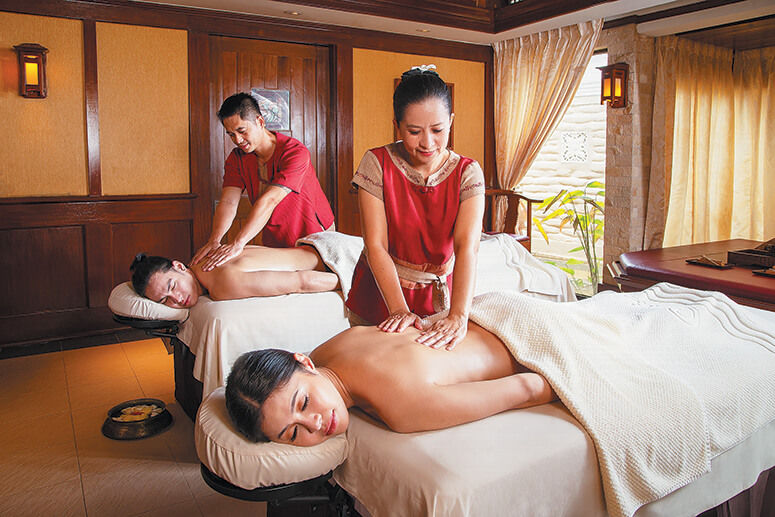
Even established resorts like Shangri-La’s Mactan Resort & Spa demonstrate how deeply wellness can be embedded, from marine sanctuaries to spa villages designed as immersive retreats.
The line between home and retreat is blurring. Increasingly, buyers are asking: Why should wellness be something I travel for?
Amenities that heal, not just impress
The language of amenities is changing, too.
Developers like DMCI Homes are reframing features such as sky patios, breezeways, and atriums as part of a larger wellness ecosystem—spaces designed for airflow, light, and mental reset.
Meanwhile, premium developers are leaning into full-spectrum wellness: fitness facilities paired with hot and cold plunge pools, saunas, and landscaped quiet zones that support both physical and mental recovery.
What’s notable is the shift from spectacle to function.
A pool is no longer just a pool—it is a recovery space.
A garden is no longer ornamental—it is a breathing room.
Even technology, from smart climate control to noise management, is being positioned as part of emotional well-being.
Wellness, in this sense, is becoming operational.
Social dimension of well-being
One of the most overlooked aspects of wellness developments is community.
True wellness is not solitary. It thrives in shared spaces, whether it is a yoga deck, a communal garden, or a workshop room where residents gather.
As noted in studies of wellness communities, social interaction is a defining component, often built into common areas and programming.
This is where design meets culture.
The most successful developments are not just building spaces; they are curating experiences, where movement, connection, and even stillness are part of a collective rhythm.
Design and the life we want to live
What ties all these developments together is a quiet but powerful shift: from selling property to shaping lifestyle.
Buyers today are no longer just asking about price per square meter.
They’re asking:
Will this space help me rest better?
Will it make movement easier?
Will it reduce friction in my daily life?
And developers are responding.
Wellness, after all, is not found in grand gestures. It lives in the everyday: the light that enters your room, the air that moves through your space, the greenery you pass on your way home.
Good spaces create good habits. Good habits create good lives.
And increasingly, in the Philippines, good developments are finally catching up to that truth.
#PhilSTARPropertyFeature
#FeaturedStory