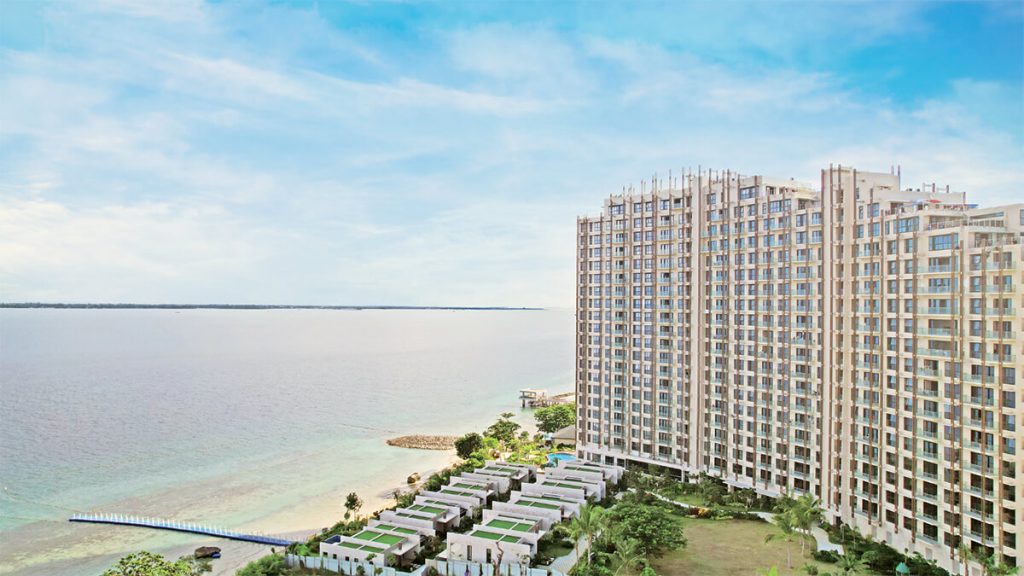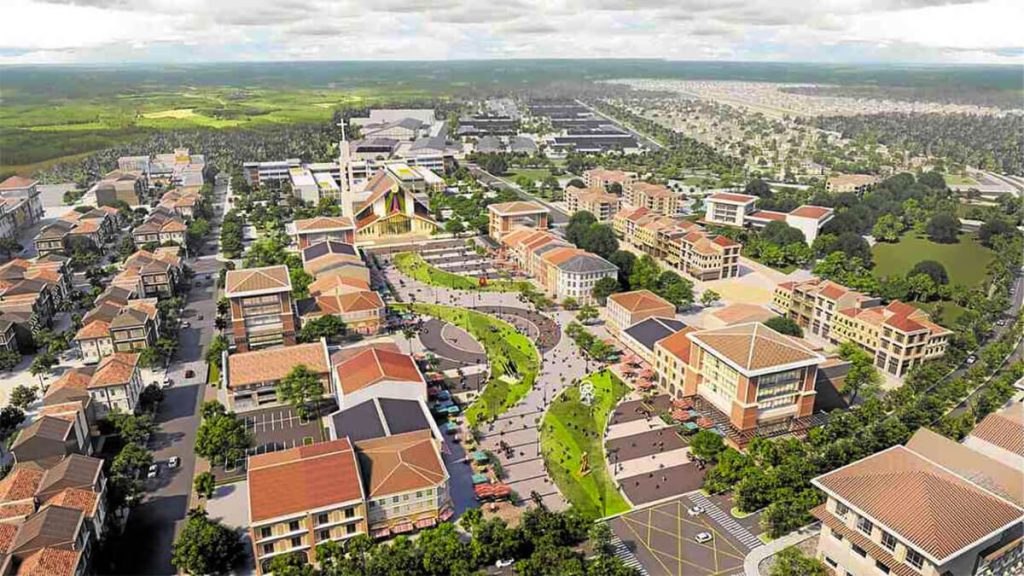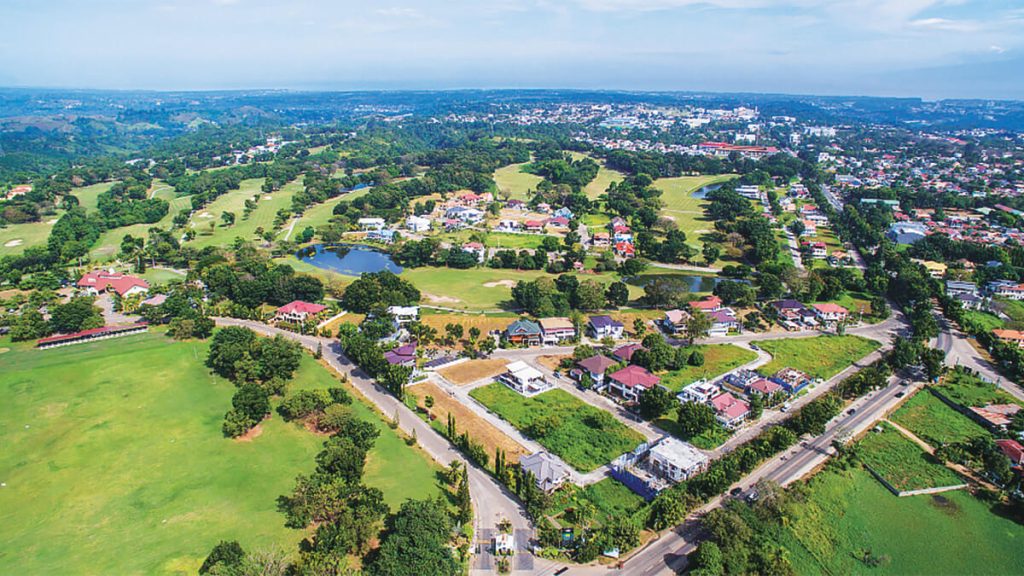


There was a time when “going south” meant long drives and limited options. Today, it tells a different story. Settling in the south is no longer about escape but about access.
From established residential enclaves to rising mixed-use districts, the southern corridor of the Greater Manila Area has evolved into a self-sustaining community. It is where daily life unfolds within reach, and where property investment aligns with convenience and long-term growth.
Connectivity that reshapes daily life
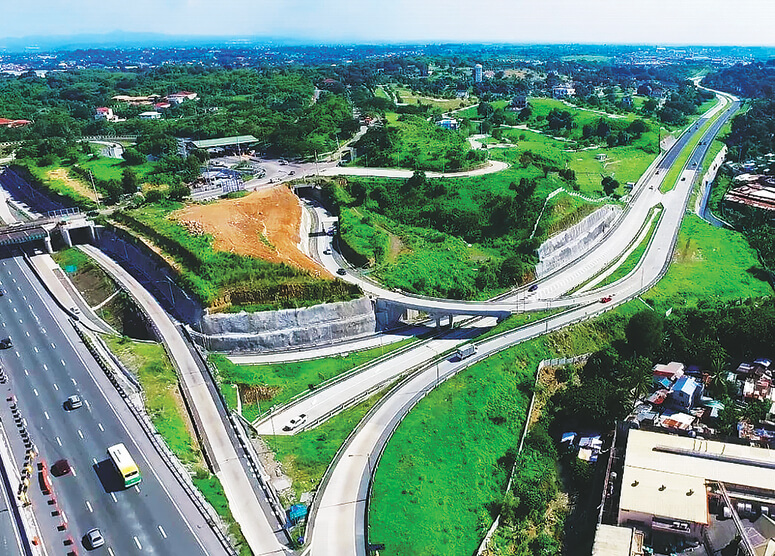
Infrastructure has been a decisive factor in the area’s transformation. The opening of the Cavite–Laguna Expressway (CALAX) has improved travel between Cavite and Laguna, minimizing travel time and easing congestion along traditional routes. It is designed to decongest traffic in Aguinaldo Highway, Santa Rosa–Tagaytay Road, and other major arteries, directly benefiting communities in the southern growth corridor.
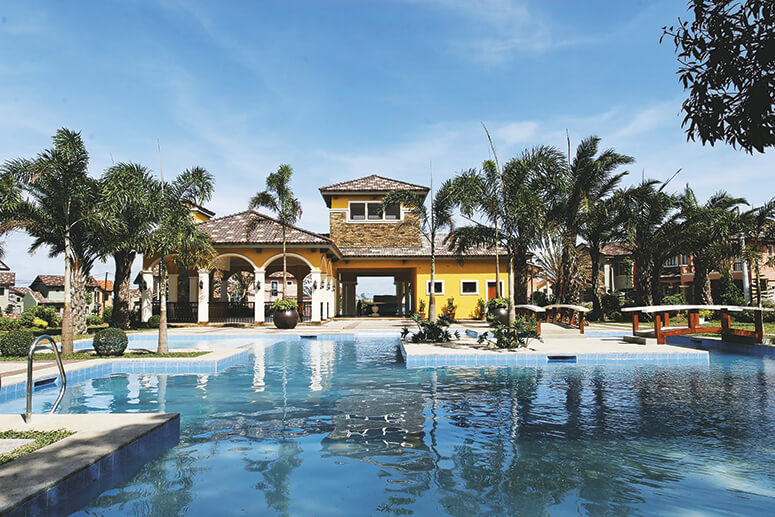
Equally significant is the ongoing Cavite Extension of the Light Rail Transit Line 1, which will extend rail service deeper into southern Metro Manila and Cavite. According to the Light Rail Manila Corporation, the extension is expected to serve hundreds of thousands of passengers daily once fully operational, providing an alternative to road-based commuting.
These projects do more than move people. They reshape property decisions, making the south a practical base for professionals who work across Metro Manila while looking for a more measured pace at home.
Complete ecosystem
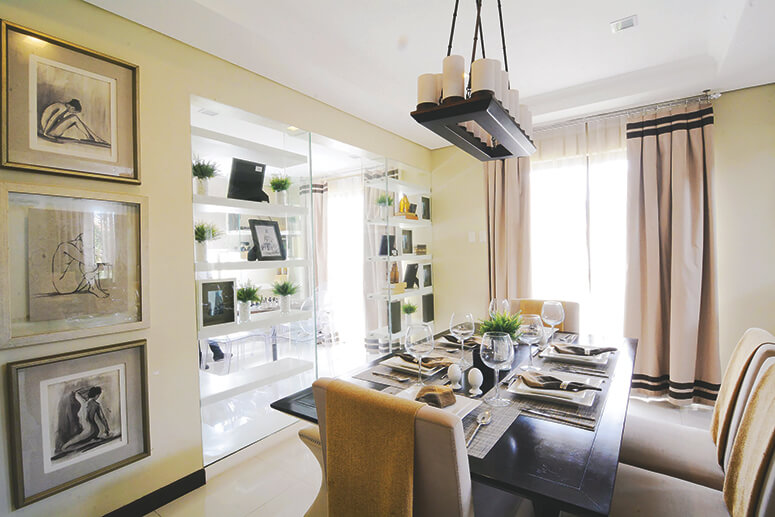
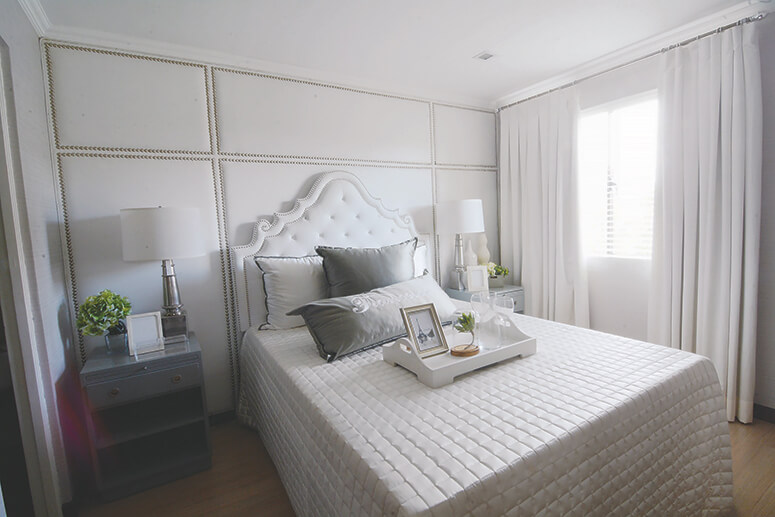
Beyond transport, Metro South has matured into a fully integrated residential environment. Major public and private hospitals operate within the Las Piñas, Parañaque, Muntinlupa, Bacoor, and Laguna corridors, while universities and colleges have long-established campuses in the area. Commercial centers, groceries, public markets, and lifestyle destinations are embedded within residential catchments, allowing families to meet daily needs without crossing city lines. Local government units (LGUs) have also invested in road widening, drainage upgrades, and community facilities to improve livability.
All these improvements translate to time saved and routines simplified, as residents no longer require navigating central business districts.
Sustained demand
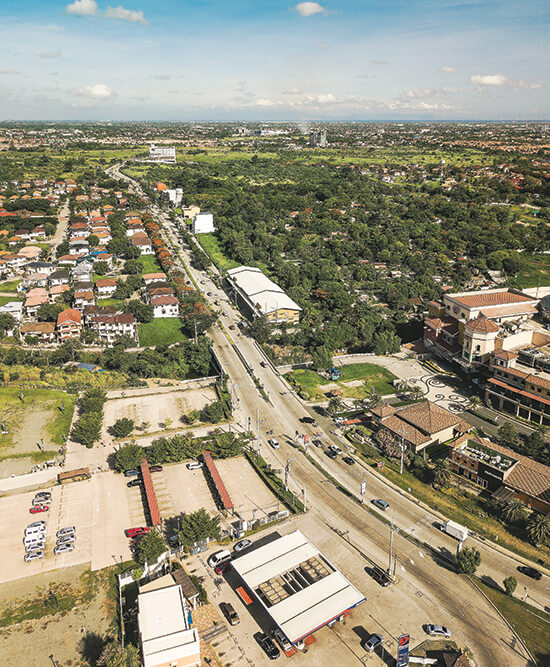
Population growth in the region continues to support housing demand, particularly for horizontal and mixed-use developments that balance accessibility with open space. While property values vary by location and project type, market observers note sustained buyer interest in the south, driven by infrastructure and relative land availability compared to denser northern districts.
Standing on its own
Living in Metro South today means more than proximity to Metro Manila. It means choosing a community where essentials are within reach, infrastructure is actively expanding, and residential environments are planned around everyday realities. It’s life in its completeness.
The south no longer asks residents to travel far for what they need because it now offers a life that flows—a life that is connected yet grounded, dynamic yet intimate. And in that balance, Metro South continues to find its strength.
#PhilSTARPropertyFeature
#FeaturedStory