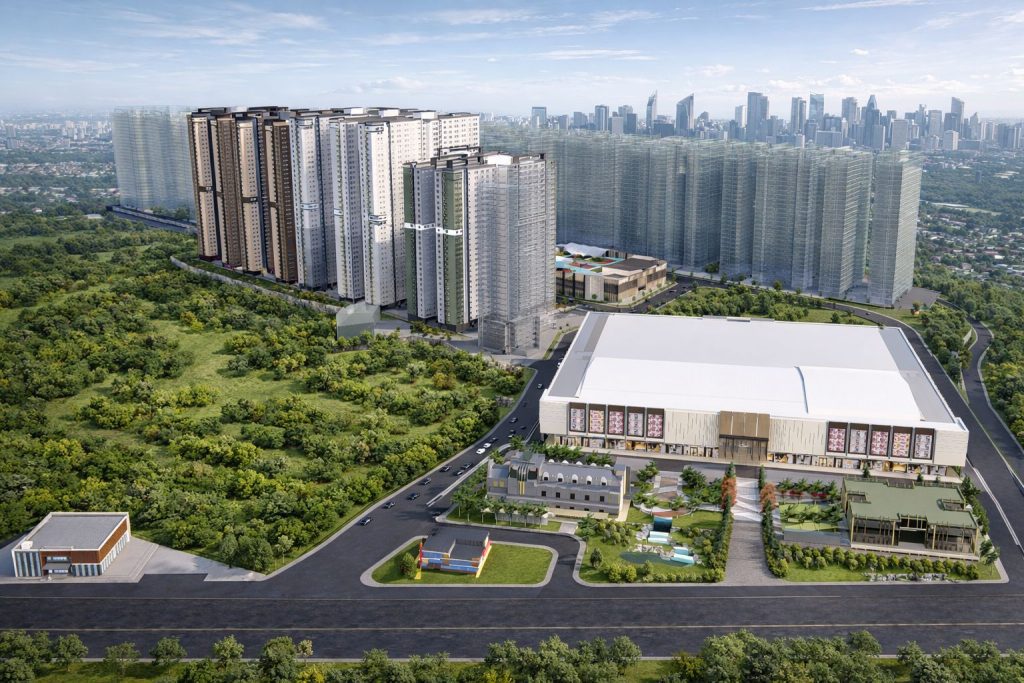


A quieter but more consistent trend is emerging in the real estate sector as activity in the luxury residential segment begins to moderate in some areas. At the same time, mid-income housing continues to demonstrate steady momentum, supported by sustained end-user demand rather than short-term speculation.
While market discourse often highlights financial pressures on the middle class, developments catering to this segment are seeing continued uptake. Unlike high-end properties, which are frequently driven by investment timing and portfolio strategies, mid-range residential projects are increasingly being occupied by actual homeowners.
This distinction is becoming more visible on the ground, where completed towers and lived-in communities reflect sales performance and real absorption.
Empire East illustrates this ongoing trend. Across its portfolio, the company maintains a build-and-sell approach focused on the middle-income segment, continuing both construction and sales activity rather than scaling back. This sustained pace builds confidence in the long-term stability of the market segment it serves.
Industry observers point to the middle-income segment—spanning both lower and upper brackets—as a key driver of housing demand. These buyers are generally end-users seeking practical, well-located homes that balance affordability with quality of living, rather than speculative gains.
The appeal of “affordable luxury” continues to shape purchasing decisions within this group, offering modern amenities and lifestyle features while remaining within financially manageable thresholds. For many households, home acquisition represents a long-term commitment to stability rather than a purely financial transaction.
This demand profile contributes to a more stable sales environment, with absorption driven by occupancy and community formation rather than rapid turnover.
As market conditions shift, segmentation within the property sector is becoming more distinct. While some developers reassess exposure to higher-end developments, others are reinforcing their presence in segments with more consistent demand patterns.
Within this landscape, the sustained activity in mid-income housing points to a broader recalibration in the property market—where growth is increasingly anchored on real housing needs and everyday demand.
#PropertyPR #MediaRelease