

In the Philippines, we often regard a land title as an immovable anchor. Yet, for properties situated along riverbanks, coastal shores, or volcanic plains, the physical reality is far more fluid. Their boundaries are rarely static.
To navigate these risks, a buyer must distinguish between these three: Accretion, Avulsion, and Reclamation. While each increases surface area, the law treats their origins and their ownership with distinction.
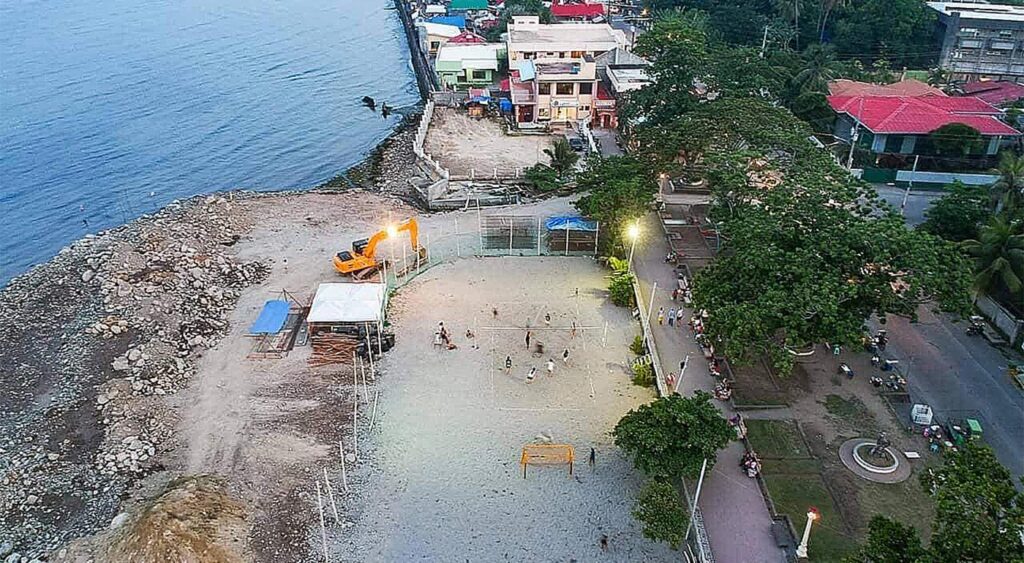
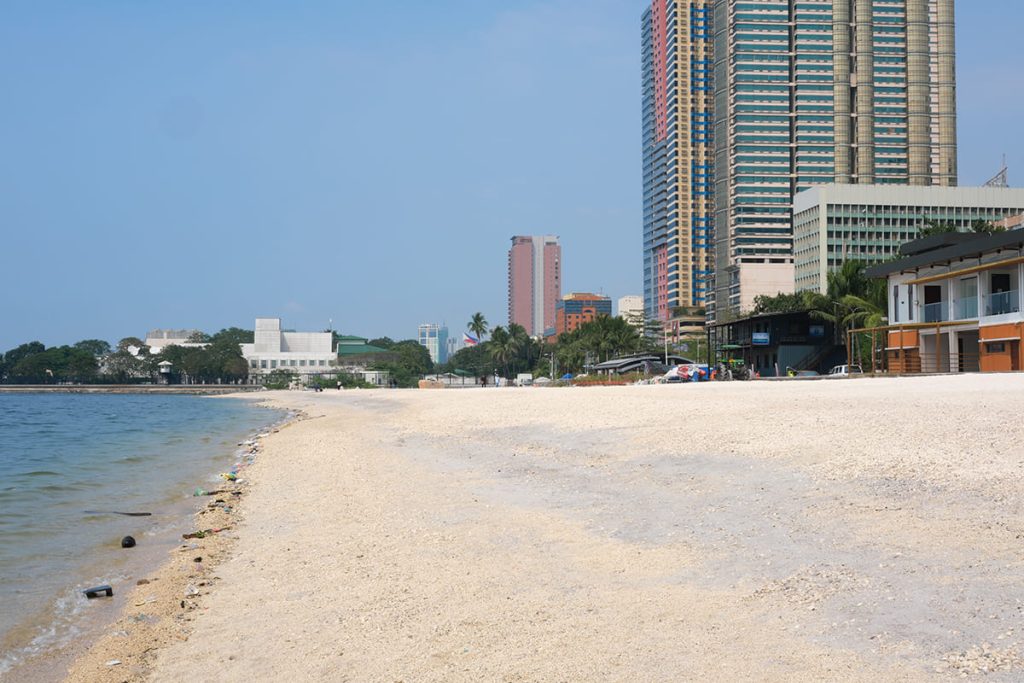
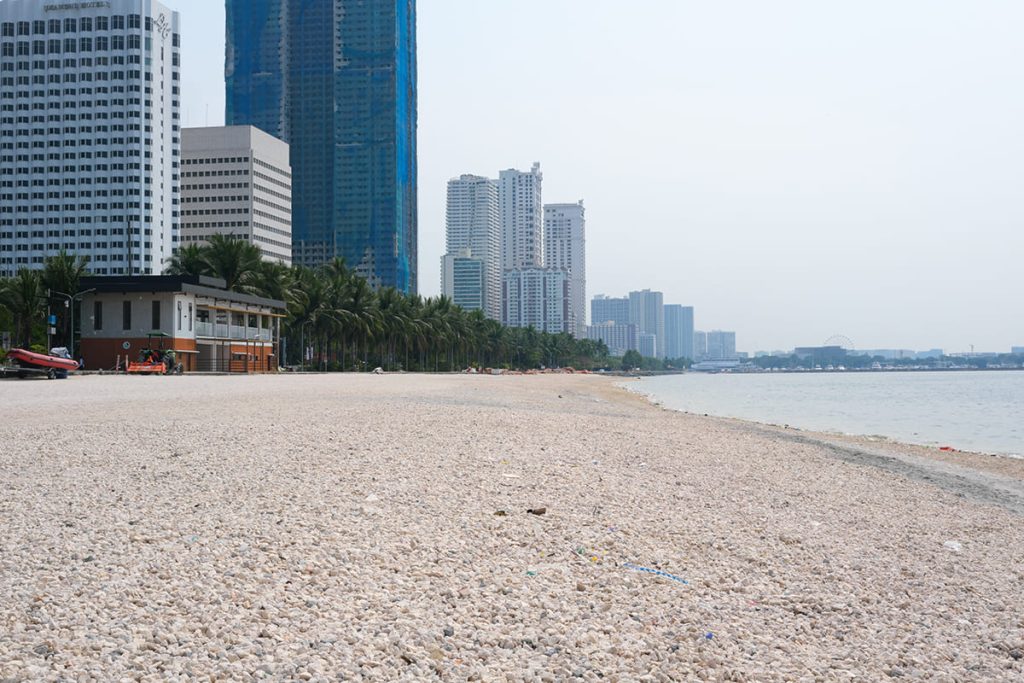
Reclamation is a government function managed by the Philippine Reclamation Authority. As public domain lands belong to the State, even if a private developer undertakes the project, they don’t own the land. Reclaimed land remains part of the public domain and is usually leased, unless declared for disposal by law.
The bottom line
The only way to truly secure your investment is by thoroughly verifying the land’s history and the laws governing its movement.
1 Gradual Gift: Accretion, or alluvium, refers to the gradual accumulation of soil along the banks of a river. According to Article 457 of Republic Act No. 386, commonly known as the Civil Code of the Philippines, this newly formed land belongs to the “riparian” owner, which is the person whose property is adjacent to the water body. Since landowners are at risk of losing their land due to slow erosion, the law provides them with the benefit of these natural gains.
While the ownership of the soil may be immediate, it is not automatically titled. To safeguard this newly acquired land from potential third-party claimants, the owner must formally register the area under the Torrens system. Without a supplemental title, that “new” backyard remains legally vulnerable.
2. Sudden Shift: Unlike the gradual process of accretion, Avulsion is a sudden and violent event. Governed by Article 459 of the Civil Code, it occurs when a recognizable portion of land is detached from one estate and joined to another by a sudden force, such as a massive flood or a volcanic eruption.
The 1991 eruption of Mount Pinatubo stands as the most prominent case study in the Philippines. The massive lahar flows caused significant changes in the geography of Central Luzon. In such cases, the law protects the original owner. They were entitled to retain the title to the displaced soil, provided they claimed or removed it within two years. This provision ensures that a single natural disaster does not immediately deprive a family of their property.
3. Man-made Expansion: Reclamation, an engineering act, involves filling municipal waters to create new, buildable land.
Due diligence for buyers
When acquiring land near water, a standard title search is insufficient. One must look beyond the paper to the history of the earth itself:
1. Verify the water source: Accretion rights primarily apply to rivers. If a beach expands due to the sea receding, it’s “foreshore land” belonging to the State, not the homeowner.
2. Identify human intervention: If a seller claims a larger lot due to a man-made seawall or silt-trap, that land is technically public domain. Artificial “growth” doesn’t grant private ownership.
3. The two-year window: If a lot was recently expanded by a storm or flood (avulsion), check the timeline. A previous owner may still have a legal window to claim that displaced soil.
#PhilSTARPropertyFeature
#FeaturedStory