

Cities are shaped not only by the buildings that rise within them but also by the spaces that allow people’s mobility—how they move, pause, gather, or simply spend time outdoors. The growing attention to parks and public open spaces offers a different way of looking at urban development in Davao City. It is one where the quality of city life is becoming more connected to what happens between buildings.
This is particularly relevant as Davao continues to accommodate a growing urban population. The Philippine Statistics Authority (PSA) reported that Davao City had 1.63 million urban residents in the 2020 Census, representing an urbanization level of 91.8 percent. As more people live and work within an increasingly urban environment, access to places for recreation and respite becomes an important part of how a city, especially the community within that city, functions.
Beyond the walls of a building
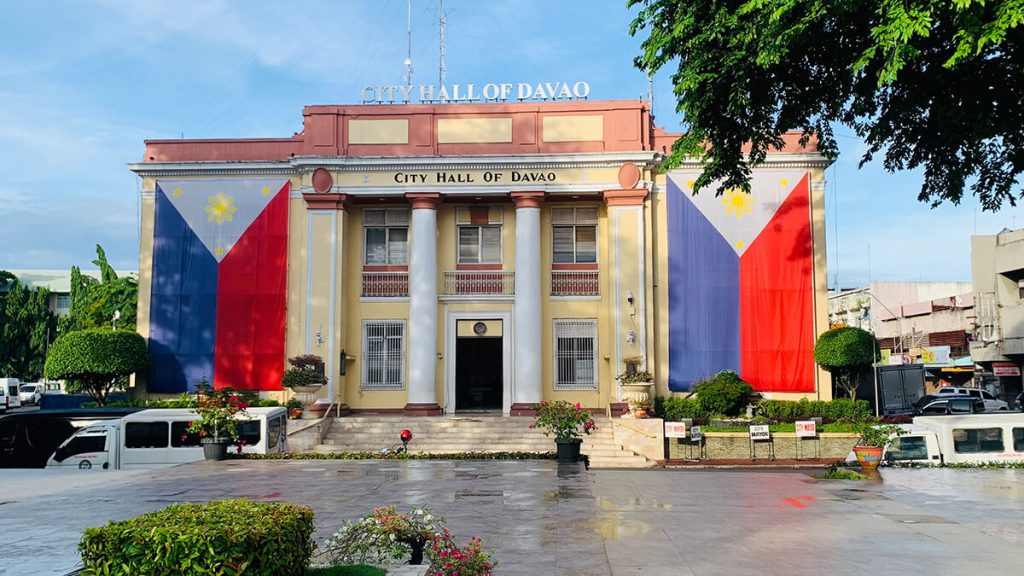
Davao’s approach to public spaces indicates an extensive understanding of urban living. In 2024, the city government reported that 27 parks, playgrounds, and green-space projects had been opened, with additional projects planned. These included pocket parks and public spaces along the Davao City Coastal Road. The local government described green spaces as providing opportunities for people to decompress from the daily pressures of urban life.
The city’s parks policy also formally recognizes publicly accessible green and open spaces as an important component of a sustainable city. Davao City’s Park Systems Management Code calls for free, safe, and accessible green and public open places, while incorporating environmental protection, climate adaptation, and disaster-risk considerations into development.
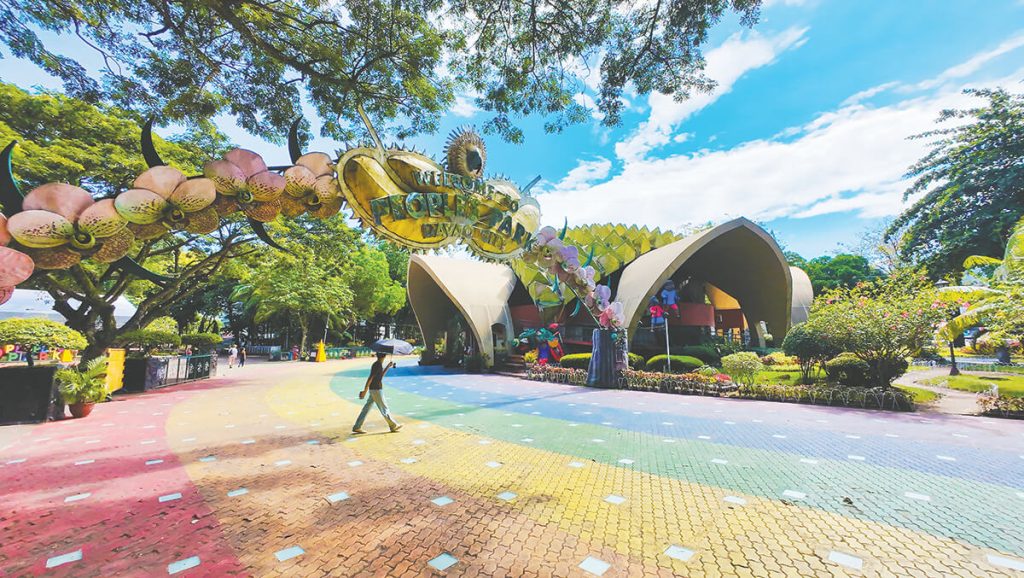
That philosophy is visible in Davao’s newer public spaces. The renovated 1.27-hectare Toril Public Park, for instance, introduced walking and jogging areas, bike racks, a children’s play area, and facilities for senior citizens. In late 2025, the Roxas Greenway Park also opened with landscaped walkways, fitness facilities, and gathering areas designed for the community.
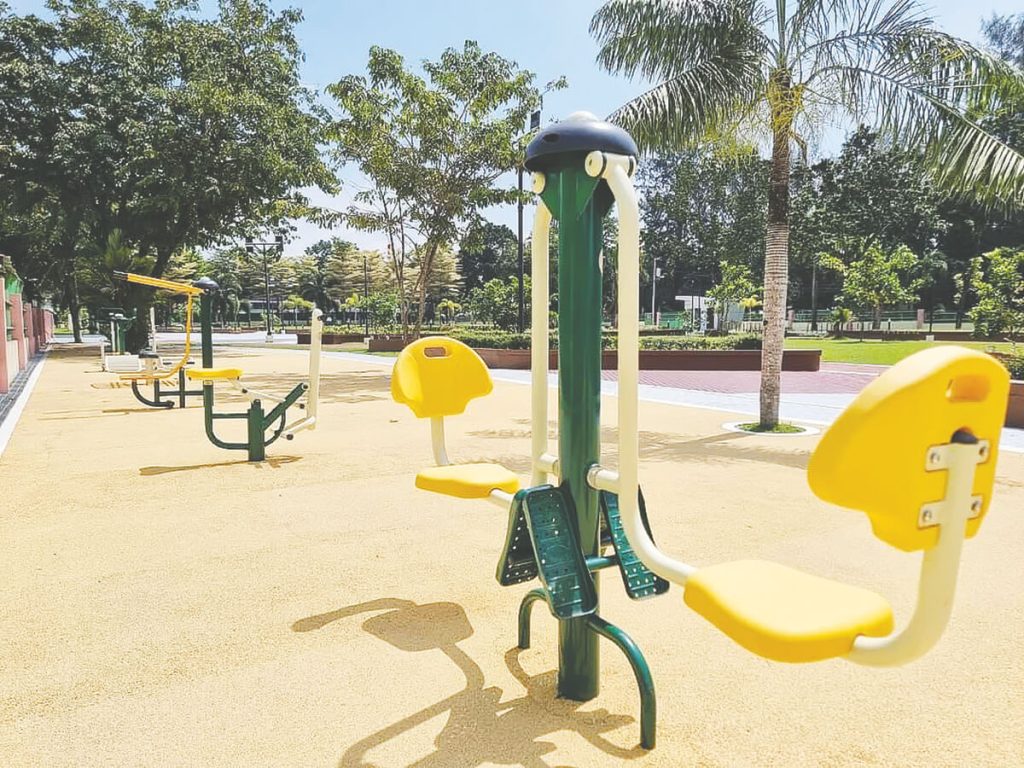
Photo from Davao City Planning and Development Office
The bigger picture of urban living
The evolving relationship with public space provides a useful context for residential and hospitality developments. A well-planned city is experienced not only through private interiors but through the wider environment that surrounds them.
As Davao continues to develop, the conversation around new spaces can therefore extend beyond size, height, or location. It can also ask how new places fit into the everyday rhythm of the city, and how they contribute to an urban environment where living, staying, and spending time can feel more connected to the life outside one’s own walls.
#PhilSTARPropertyFeature
#FeaturedStory