

Conclusion
This is the continuation of my two-part column on the Philippine residential market. At Colliers Philippines, we still see Metro Manila’s residential market being challenged by high vacancies, slower take-up, and delayed project completions. But there are positives. Developers are increasingly focusing on leisure-oriented projects outside the capital, with strong demand for premium beachfront developments in Batangas, Mactan, and Davao. The Bay Area is expected to surpass Fort Bonifacio as Metro Manila’s largest condominium hub by end-2026.
Meanwhile, developers remain cautious amid elevated inventory and construction costs. Demand is shifting toward economic and affordable housing, supported by government-backed programs and flexible financing, while mid-income projects face weaker absorption, rising backouts, and affordability.
More leisure-oriented projects outside Metro Manila
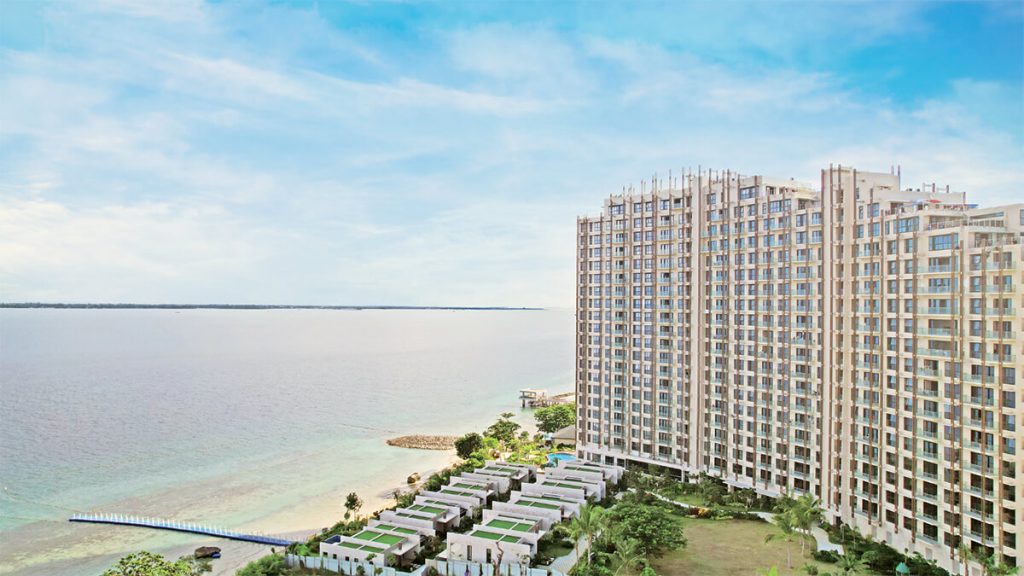
Developers have been taking advantage of the rising demand for resort or leisure-oriented properties outside Metro Manila. Among the recently launched beachfront projects include Rockwell Land’s Cabo San Diego and Ortigas Land’s Costa Calatagan, both located in Batangas. Despite being the more expensive developments in the market, these projects are recording formidable take-ups of between 80% and 90% within a quarter of their launch. Colliers also noted the strong demand for leisure-oriented developments in Visayas and Mindanao, particularly in Mactan and Samal.
Aside from local investors, demand for these projects is also likely to come from foreign buyers. In our view, developers planning to capture demand from the foreign market should further explore the attractiveness of more leisure-oriented projects in major tourist destinations across the country.
Bay Area to overtake Fort Bonifacio
Colliers recorded the completion of only one project in Q2 2026, Megaworld’s Sunny Coast Residences within Westside City in the Bay Area. We have noted delays in the turnover of some projects in a number of submarkets, including Makati CBD, Ortigas Center, C5 Corridor, and Alabang. Colliers attributes these delays to the increase in prices of construction materials brought about by the Middle East conflict. The spike in construction material prices increased project costs and reduced profit margins. As a result, some developers adopted a “wait-and-see” approach and postponed construction of certain projects, including ultra-luxury projects in Makati CBD.
We expect completion to pick up in H2 2026, with the delivery of nearly 10,000 new units in major CBDs. The Bay Area and C5 Corridor will likely account for 60% of new supply during the period.
By end-2026, Colliers projects the Bay Area to likely overtake Fort Bonifacio as the largest residential hub in Metro Manila, with about 46,300 units in condominium stock.
Economic and affordable dominate
In H1 2026, condominium demand in Metro Manila was driven by the economic and affordable segments (PHP1.8 million to PHP3.6 million). Historically, the mid-income segment dominated pre-selling condominium take-up in Metro Manila. However, Colliers noted a significant shift in H1 2026 where economic and affordable projects led net demand. From a 33% share in H1 2025, the segments’ share more than doubled in H1 2026.
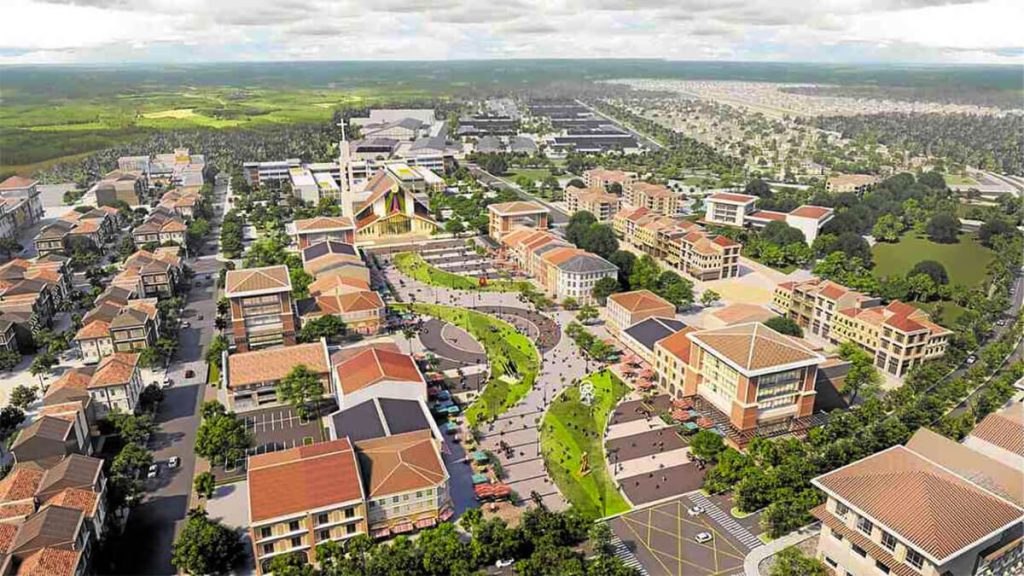
We see these segments helping drive demand within and outside Metro Manila. This is possible especially if private developers firm up partnership with the local and national governments in serving the urban poor’s residential requirements.
Despite elevated vacancies, rising costs, and cautious condominium launches, opportunities in Philippine residential market remain. From thriving leisure-oriented properties to Bay Area’s rise, the market is finding fresh drivers of growth. Colliers Philippines believes that developers who match affordability with accessibility, leisure with livability, and vision with execution will win the hotly contested property race.
#PhilSTARPropertyFeature
#FeaturedStory