


Anthology ASEAN Architecture Festival 2026 asks how care, culture and collective action can shape more resilient communities
As climate change intensifies heat, flooding and other pressures on cities, architecture can no longer be viewed primarily in terms of aesthetics. The design of buildings and communities influences energy use, mobility, public space and people’s ability to adapt to a changing environment.
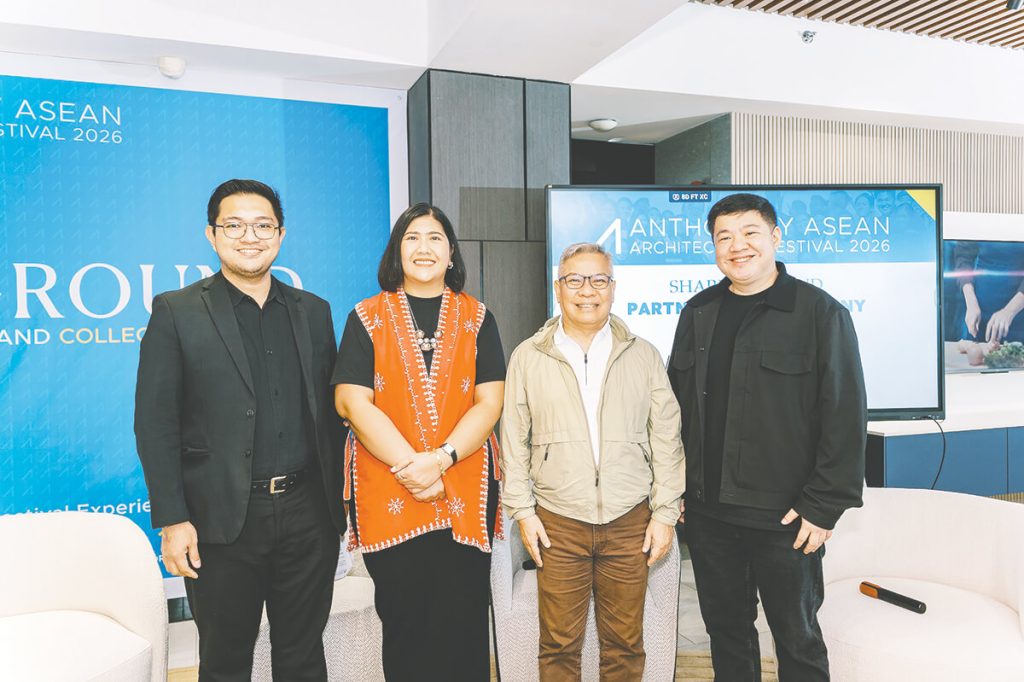
These concerns emerged at a recent media preview of Anthology ASEAN Architecture Festival 2026, attended by PhilSTAR Property.
Architecture’s climate responsibility
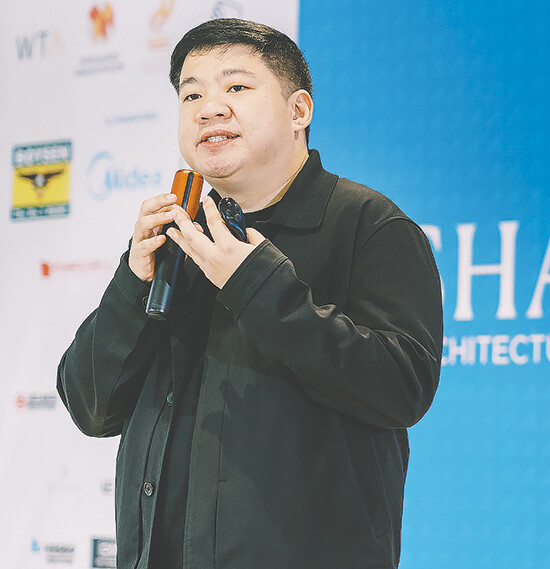
During the media briefing, William Ti Jr., festival curator of Anthology and founder and principal architect of WTA Architecture & Design Studio, responded to questions from PhilSTAR Property about the importance of architecture amid climate change and other global disruptions.
“A big chunk of emissions is due to architecture. The building industry itself contributes a lot,” Ti said.
He explained that architecture’s environmental impact extends beyond the construction of individual buildings to the way cities are planned.
“How much you travel, in terms of car emissions and everything, is also in terms of planning,” he said. “The farther you live away from where you work, from the center of the city, from where you study, the more emissions you produce.”
“Public transport is a big part of that, and this is all part of architecture and planning,” he added.
Beyond reducing emissions, architecture must help communities prepare for environmental changes that are already taking place.
“If you look at climate change, then one of the things we have to address is: How do we adapt to it? And I think architecture plays a big role in that,” Ti said.
This role becomes particularly visible in dense urban areas, where buildings shape the conditions people experience every day.
“If you live in a city, your climate and environment are actually determined by the buildings around you,” he said. “The climate is produced by the architecture around us.”
Because buildings can remain for generations, decisions made today will shape how people live with rising temperatures, extreme weather and evolving technologies for decades to come.
“In many ways, architects are already like futurists, because we have to imagine what’s not there,” Ti said.
Designing with care
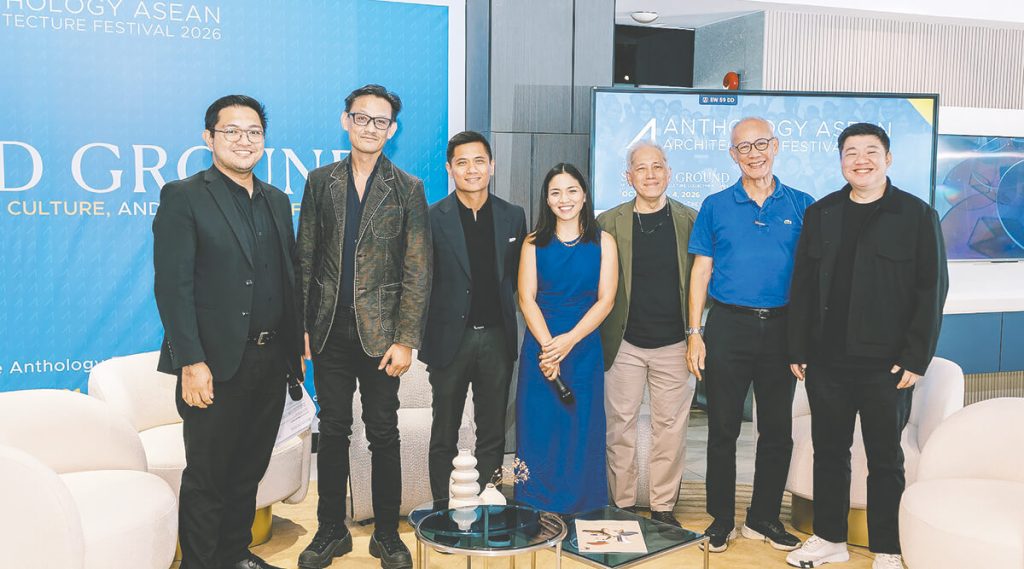
These ideas will take center stage at Anthology 2026, which carries the theme “Shared Ground: Architecture of Care, Culture, and Collective Futures.”
During the Shared Ground panel, industry leaders examined architecture not only through design, technical performance and economics, but also through its effect on people and communities.
WTA Managing Director Rebecca Plaza Ti posed a fundamental question, “Who is the architecture actually for?” She noted that while buildings are often evaluated according to cost and efficiency, their social impact receives less attention.
Architect AJ Javier, managing principal of Javier Design Studio Manila, framed care as an expression of empathy, “The city needs to care for us. The city needs to empathize. The city needs to anticipate.”
For Benjee Mendoza, co-founder and principal architect of BAAD Studio, care must remain present throughout the design and building process, “I think the best things that last are the ones that have the greatest care,” he said.
Building a shared future
The discussion underscored that architecture is not the responsibility of architects alone. Developers, policymakers, builders and communities all influence the places people inhabit and experience.
As cities confront climate change, architecture’s value will be measured not only by the landmarks it produces, but also by whether it reduces environmental impact, supports adaptation and improves everyday life.
What to know about Anthology 2026
• Event: Anthology ASEAN Architecture Festival 2026
• Theme: Shared Ground: Architecture of Care, Culture, and Collective Futures
• Dates: October 2–4, 2026
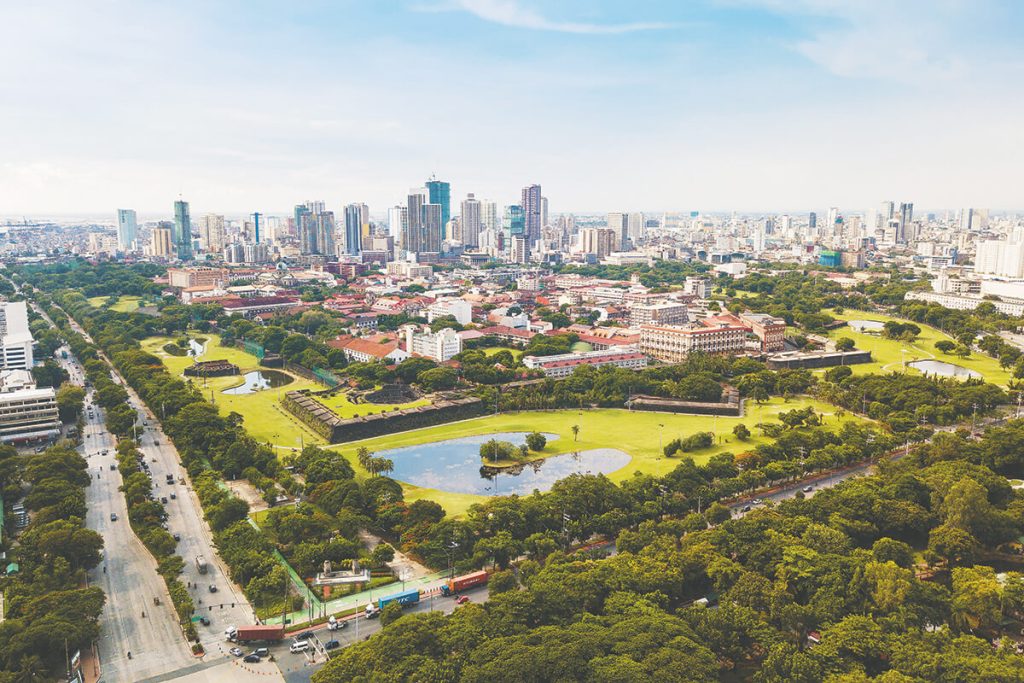
• Venue: Intramuros, Manila
• Speakers: 128 participants from the Philippines, Southeast Asia and beyond
• October 2—Care: Keynote by Pritzker Prize laureate Shigeru Ban
• October 3—Culture: Architecture, shared memory and identity
• October 4—Collective Futures: Keynote by architect Ole Scheeren
• Activities: International keynotes, Filipino × ASEAN conversations, roundtables, installations, open presentations and evening forums
• Organizers: WTA Architecture & Design Studio, in partnership with the City of Manila, Intramuros Administration and National Commission for Culture and the Arts
• Details and registration: anthologyfest.com
#PhilSTARPropertyFeature
#FeaturedStory