


The Department of Human Settlements and Urban Development (DHSUD) is shifting its regulatory operations into the digital sphere, rolling out a modernization roadmap aimed at enhancing transparency, streamlining public transactions, and fortifying safeguards for Filipino property buyers and licensed real estate professionals.
The agency is set to pilot test the first phase of the DHSUD Digitalization Roadmap Program by the end of this month. This initial rollout prioritizes the transition of regulatory services into a digital format, specifically targeting the processing of permits and the issuance of Certificates of Registration and Licenses to Sell (CR/LS). Driven by the agency’s current leadership, the initiative is designed to transition subdivision and condominium regulation away from traditional manual processing, effectively cutting down delays and improving nationwide service accessibility.
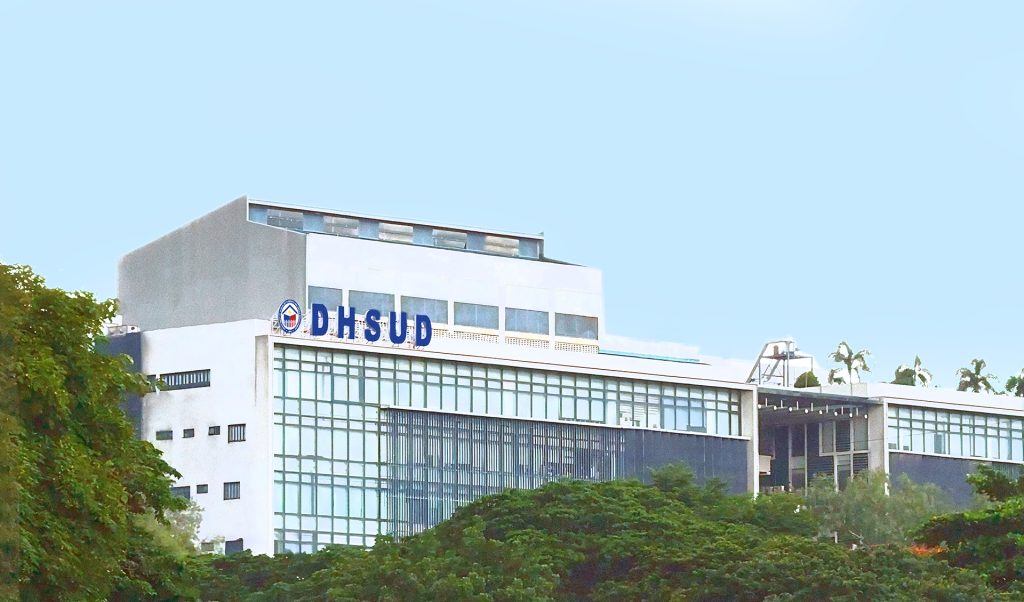
This modernization strategy serves as a core reform under the 8-point agenda of DHSUD Secretary Jose Ramon Aliling, who noted that the transition introduces stronger safeguards for both the government and the public.
“Ito ay alinsunod sa direktiba ni Pangulong BBM para sa malinis, mabilis at may malasakit na serbisyo para sa ating mga kababayan,” the DHSUD chief said.
“Digitalization will greatly improve how the Department serves Filipino families. Clear systems reduce delays, improve access, protect public trust, and promote transparency and accountability,” Secretary Aliling added.
For property developers, the updated system introduces a digital platform for application submissions and processing. This remote capability removes the necessity for repetitive, face-to-face transactions, allowing industry players to engage with the department from any location while reducing transaction costs and shortening processing timelines.
Central to this technological shift is the creation of an integrated, nationwide database of private developers. By consolidating regulatory records and information into a single system, the DHSUD can monitor applications more effectively and maintain consistent compliance tracking across all regions.
The unified database also doubles as a mechanism to counter unauthorized real estate practices. The system is engineered to automatically cross-reference new applications against existing records, allowing the department to detect and flag developers with outstanding violations or unresolved regulatory issues before their projects can advance. This oversight mechanism is part of the agency’s broader anti-corruption campaign to block illicit transactions and ensure strict adherence to housing laws.
On the consumer side, the digital platform offers everyday homebuyers a direct line to verified property information. Prospective buyers can utilize the system to independently confirm the legitimacy of licensed projects before committing their hard-earned financial investments.
Secretary Aliling emphasized that elevating the transparency of these regulatory functions is vital to shielding Filipino families from fraudulent housing schemes and fly-by-night operators.
“We want the public to have peace of mind—that the projects they are investing in have undergone the necessary regulatory processes and complied with government standards. Digitalization helps us provide that assurance while at the same time making our services faster and more efficient,” he said.
To maintain a standardized level of service across the country, the initiative will also align the operating systems of the DHSUD’s central and regional offices. Through this comprehensive tech-driven oversight, the agency aims to foster a more accountable, efficient, and responsive environment for both property consumers and industry stakeholders.
The department’s Knowledge Management and Information Systems Service, supervised by Undersecretary Richard Michael Dimagiba, is leading the execution of the digitalization project.
#PropertyPR #MediaRelease