

This year, PhilSTAR Property marks forty years of chronicling the evolution of Philippine real estate and urban development. Over the same period, our cities have changed. New business districts have emerged, skylines have expanded, and urbanization has reshaped how Filipinos live, work, and move.
By conventional measures, this is a story of progress. We have counted towers, roads, rail lines, and investments. These remain important measures of development. But after four decades of building, it is worth asking:
Has everyday life become better for the ordinary Filipino?
Too often, discussions about smart cities begin with technology: sensors, artificial intelligence, and connected systems. These innovations matter, but technology is a means, not the destination.
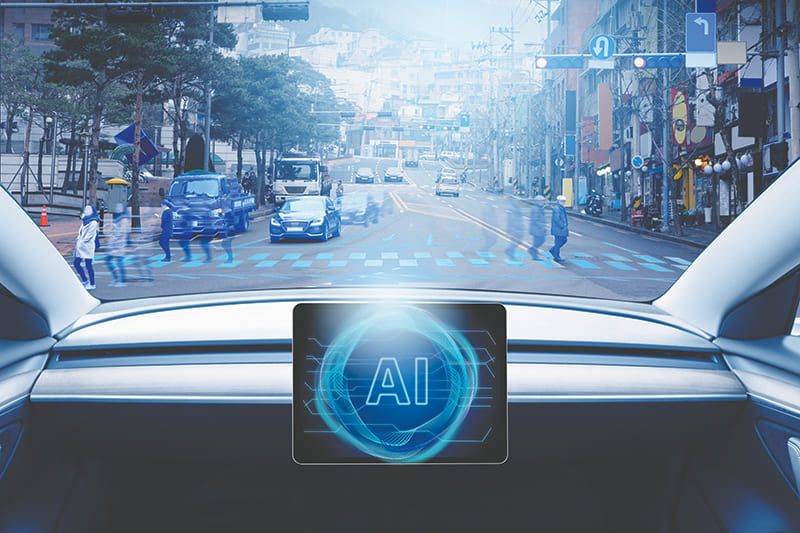
A city should not be considered intelligent because it possesses advanced systems. It should be considered intelligent when those systems make daily life easier, safer, healthier, and more productive.
For most Filipinos, the promise of a smart city is deeply practical. It is a commuter spending less time in traffic and more time with family. It is a parent getting a child safely to school, a senior citizen accessing healthcare more easily, and a barangay responding more quickly to emergencies because information reaches the right people.
The true measure of urban intelligence is not what a city can calculate, but what it can eliminate: wasted time, unnecessary inconvenience, unsafe conditions, inefficient resource use, and the countless frustrations that quietly diminish quality of life.
If cities are to become more intelligent, they will learn one building at a time.
While fully integrated smart cities remain an aspiration in many places, intelligent buildings are already demonstrating what urban intelligence looks like in practice. Offices, hospitals, schools, transport hubs, and residential communities are using data and connected systems to better understand how people experience the spaces they occupy.
A building that monitors air quality, occupancy, energy use, and equipment performance does more than improve efficiency. It improves human experience. Employees work more comfortably. Patients, students, and residents enjoy healthier and safer environments. Technology works quietly in the background to make everyday life work better.
These buildings point to a larger lesson. As buildings become more responsive to their occupants, cities can become more responsive to their communities. Urban intelligence is ultimately the ability to learn from everyday life and respond in ways that improve it.
As Metro Manila, Clark, Cebu, Davao, and emerging regional centers continue to grow, the challenge is no longer simply building more. It is ensuring that growth produces meaningful improvements in quality of life for everyone, including those who may never own a condominium or work in a premium office, but who depend on the city every day.
A Philippine approach to smart cities must begin with empathy. It must reflect the realities of commuters, delivery riders, healthcare workers, senior citizens, and persons with disabilities who navigate complex urban environments every day. Convenience is not merely a matter of efficiency. In many cases, it becomes a form of fairness.
Looking back across four decades of Philippine urban development, perhaps the most important lesson is that cities exist to serve people. Buildings, infrastructure, and technology matter because of what they make possible for the lives lived within them.
The first forty years taught us how to build more. The next forty years must teach us how to build better.
Increasingly, our cities will be judged not by the sophistication of their systems, but by what those systems enable for the people they serve. The true intelligence of a city is measured not by its technology, but by the better life it makes possible for ordinary Filipinos.
#PhilSTARPropertyFeature
#FeaturedStory