

From Makati to emerging growth corridors, the property developer continues to evolve master-planned communities and established destinations around changing ways of living, working, and connecting.
For nearly four decades, Ayala Land has been part of the changing Philippine urban landscape. From the transformation of Makati into one of the country’s leading business districts to the emergence of master-planned communities and growth centers across the country, its developments have evolved alongside the people and economies they serve.
Now, as Ayala Land marks its 38th year, that evolution is taking on new dimensions.
The way Filipinos live and work continues to change. Economic activity is expanding beyond traditional centers. Mobility and connectivity are becoming increasingly important. Climate resilience is influencing how communities are planned, while residents and businesses are placing greater value on convenience, experience, open spaces, and quality of life.
For property developers, these shifts are changing what it means to build a successful community.
For Ayala Land, the response is taking shape across both new and established destinations — from expanding its presence in emerging growth corridors to renewing places that have become part of everyday life.
Building new growth centers beyond Metro Manila
One of the most visible changes in Philippine real estate in recent years has been the emergence of new centers of economic activity beyond Metro Manila.
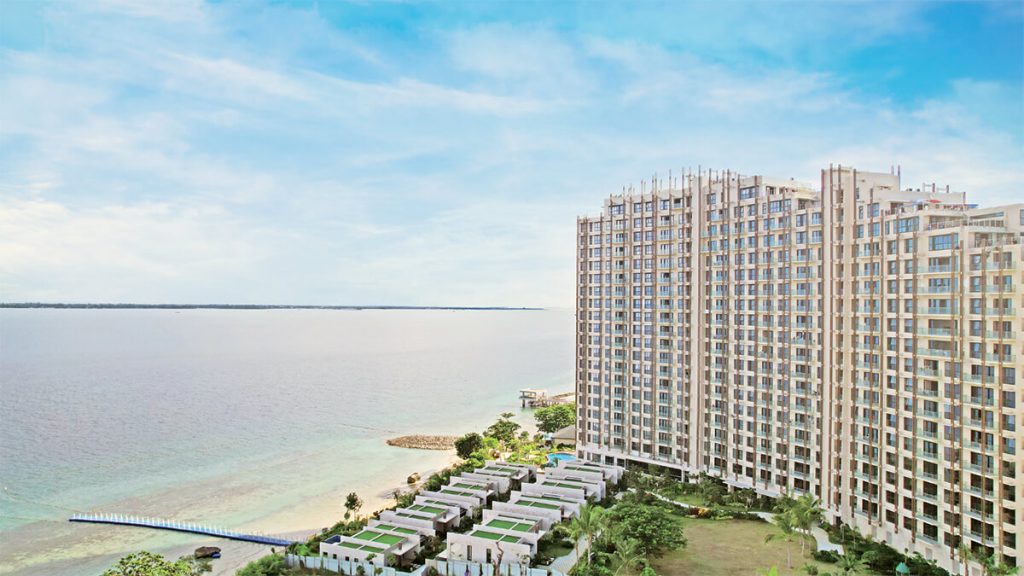
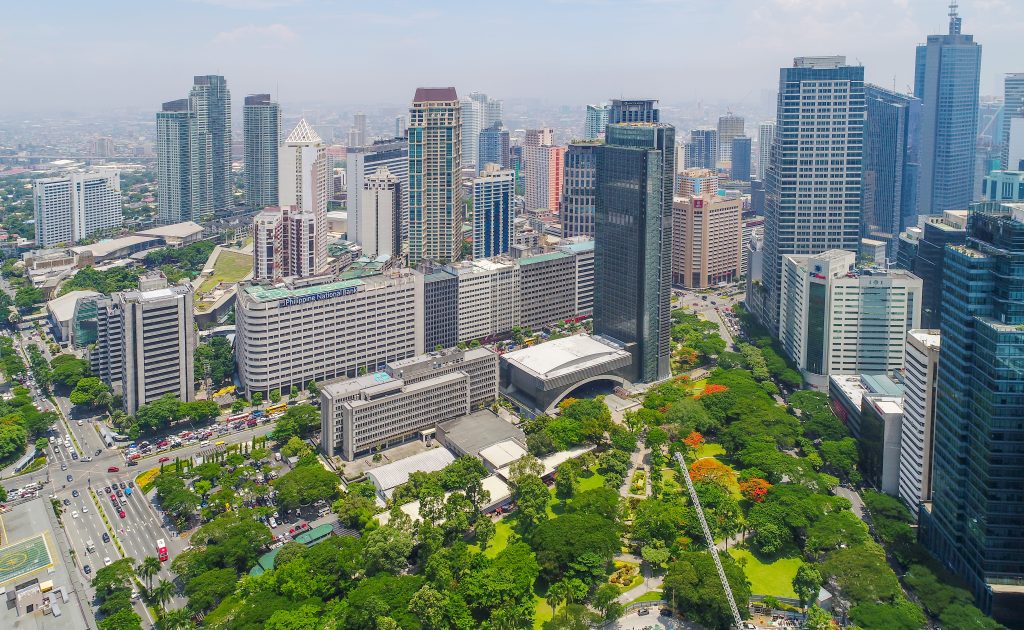
Ayala Land’s master-planned developments are part of this broader shift. The company now has 54 estates across the country, including established communities such as the Makati Central Business District, Bonifacio Global City, and Nuvali, and emerging developments such as Arca South in Taguig, Vermosa in Cavite, and Cresendo in Tarlac.
These estates bring together residential, commercial, business, recreational, and other uses within larger master-planned environments. Over time, they can become more than individual property developments, evolving alongside the infrastructure, businesses, employment opportunities, and communities around them.
Nuvali, for example, has grown into a destination where residential neighborhoods, commercial spaces, schools, recreational areas, and open spaces coexist. In Central Luzon, developments such as Crescendo and Alviera are part of growth corridors where infrastructure investment and expanding economic activity are creating new opportunities outside the traditional centers of Metro Manila.
Ayala Land is also furthering the development of its industrial estates including Laguna Technopark and Cavite Technopark, and leisure estates such as the Lio in Palawan and Arillo in Batangas.
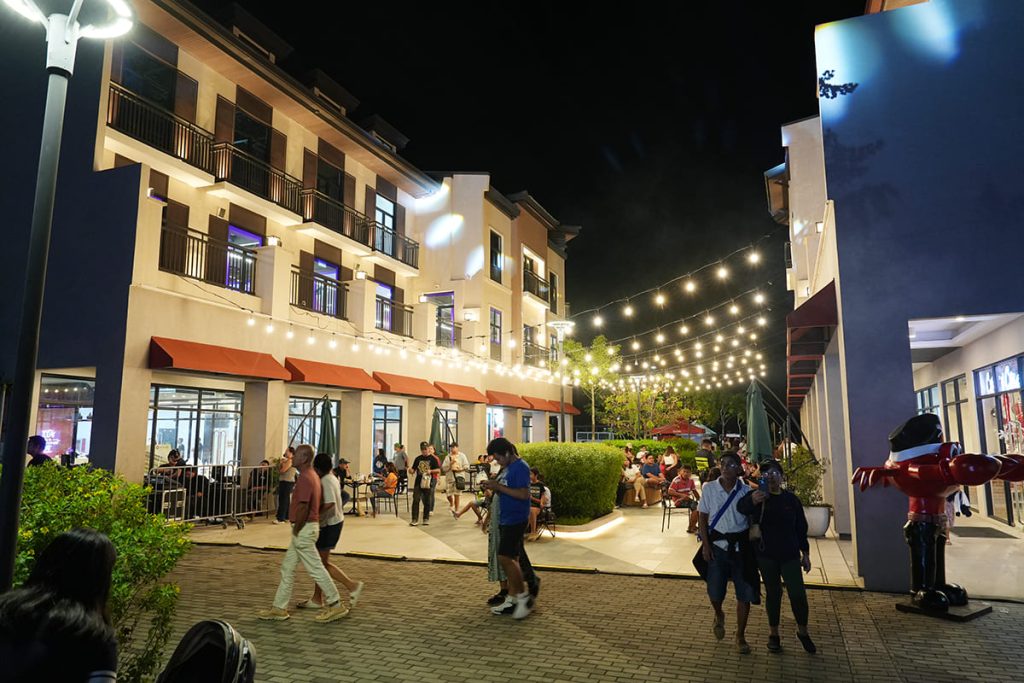
The developments are different in scale and character, but they reflect a broader shift in how new communities and growth centers are emerging across the Philippines.
Renewing established destinations
Creating new developments, however, is only part of the process. Established places must also adapt as the people who use them change.
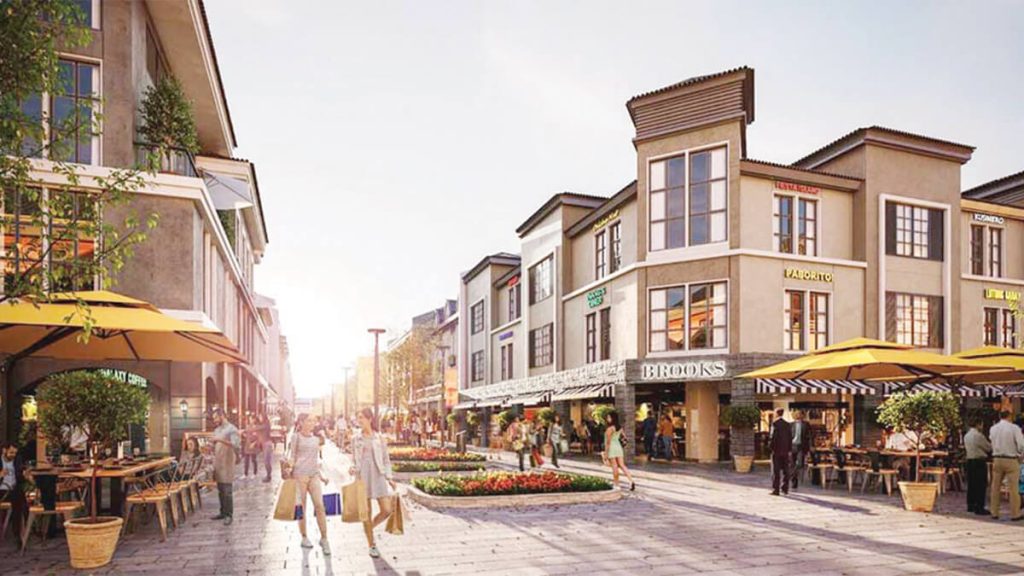
This is increasingly evident across Ayala Land’s malls, offices, hotels, and mixed-use commercial destinations, where investments are being made to refresh and reposition established properties for the next generation of users.
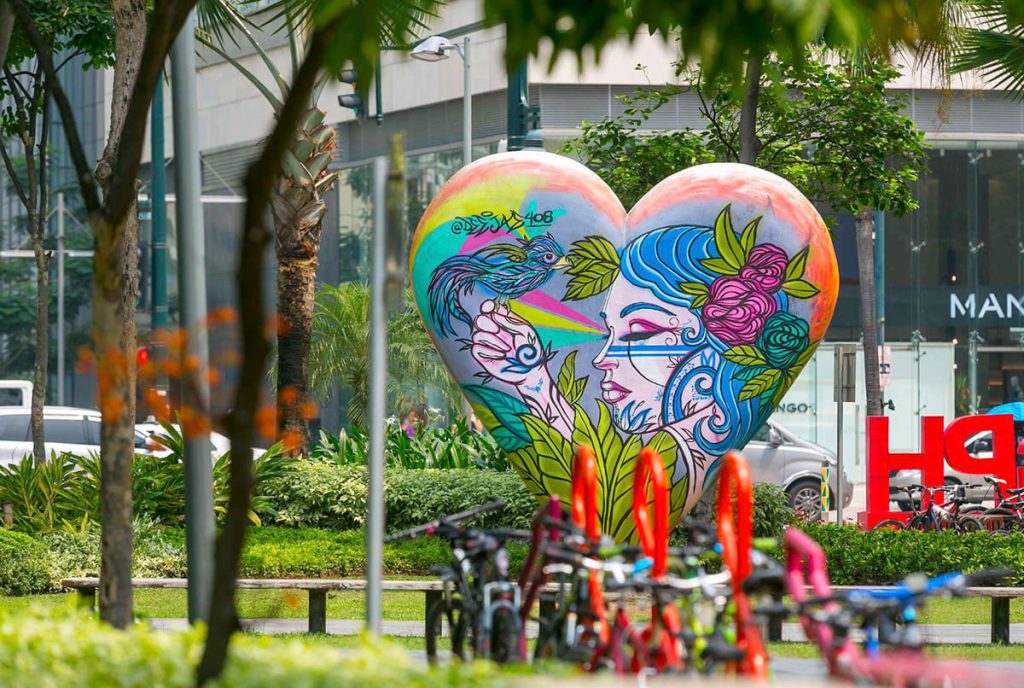
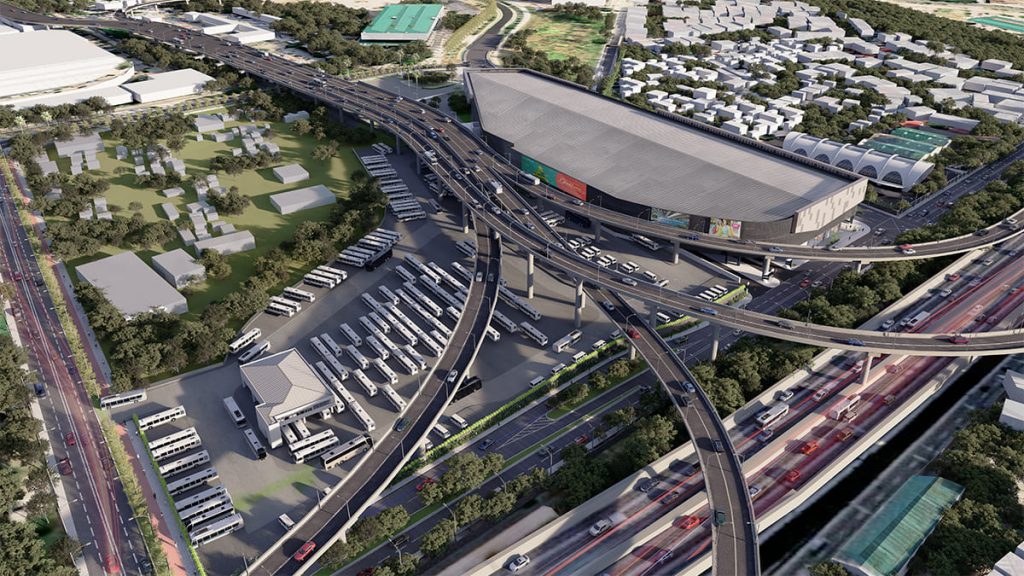
Market! Market! in Bonifacio Global City is one example. In September 2026, the Bases Conversion and Development Authority and Ayala Land Inc.-led Station Square East Commercial Corporation announced a ₱1-billion modernization program alongside a 12-year-and-seven-month lease extension. The investment is expected to support the property’s continued transformation into an integrated retail and mobility hub.
The changes reflect how the role of commercial destinations is expanding. Malls are no longer simply places to shop; they increasingly serve as places to meet, access services, dine, spend time, and connect with surrounding transportation networks.
Hospitality is evolving in a similar way. Raffles Makati and El Nido Resorts Lagen Island were each awarded Two MICHELIN Keys in the September 2026 MICHELIN Guide hotel selection, making them the Philippines’ first Two-Key hotels.
Together, these developments point to a broader reality of property development: places that remain relevant over the long term need to adapt as expectations change.
How Ayala Land Is designing for changing cities
The next generation of Ayala Land developments is likewise being shaped by changing patterns of urban life.
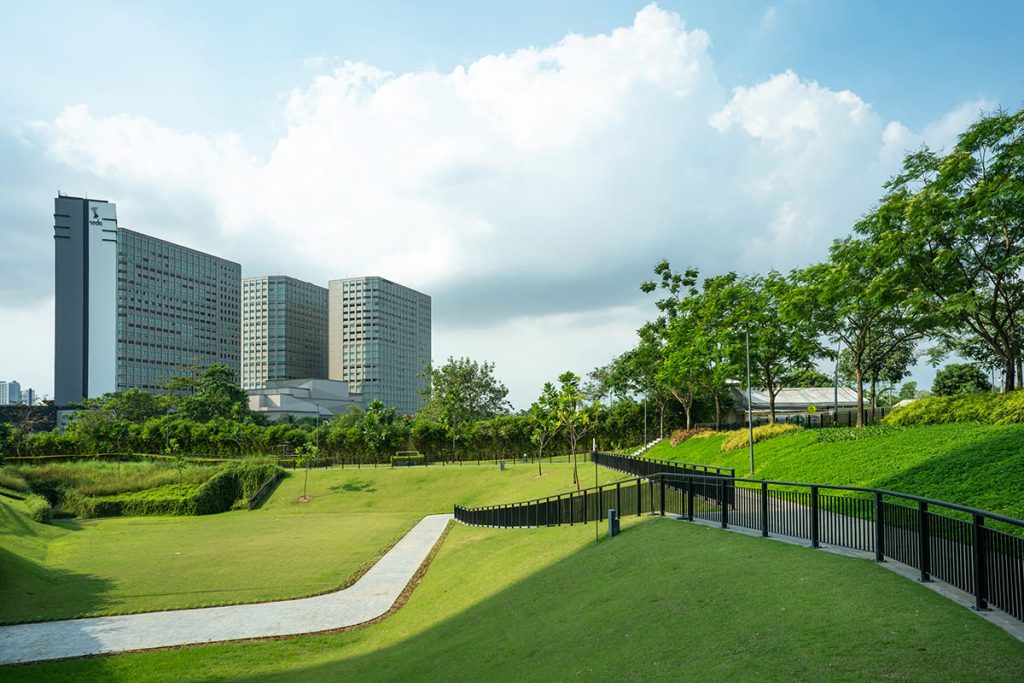
Across growth centers such as Arca South, Evo City, Parklinks, Vertis North, and Makati, the[1] Ayala Land is developing integrated environments that bring together residential, commercial, business, and recreational uses.
Increasingly, the experience of a community depends on what surrounds an individual property — how easily people can get there, how they move within it, and what they can access once they arrive.
Connectivity has therefore become an important consideration in the development of these places. One Ayala, for instance, brings together offices, retail, transportation, and other services around a major transport interchange, creating connections between different parts of the city.
Similar considerations are being incorporated into other developments as transport networks and economic centers continue to evolve.
Resilience and sustainability are also becoming increasingly important considerations in urban development. Estates such as Bonifacio Global City, Arca South, and Vertis North incorporate water management systems, flood mitigation measures, and extensive open spaces as part of their development approaches.
Green spaces continue to play an important role, from estate-wide parks and pedestrian networks to larger open-space initiatives. In increasingly dense urban environments, these spaces can provide room for recreation, community interaction, and everyday respite.
Together, these elements reflect a broader evolution in what people expect from the places where they live and work.
What people are looking for in Philippine communities
At the center of these changes are the people who use these places every day.
Families are looking for communities that offer accessibility, convenience, and quality of life. Businesses are seeking locations that connect them to employees, customers, and other enterprises. Residents increasingly value environments where homes, workplaces, services, recreation, and opportunities for connection are within easier reach.
These expectations are changing alongside the country’s cities.
For Ayala Land, this means that building is an ongoing process — one that involves creating new growth centers while continuing to improve established destinations, and considering not only individual properties but how they function as part of larger communities.
Thirty-eight years after its beginnings, Ayala Land’s portfolio now spans established urban centers, emerging growth corridors, residential communities, commercial destinations, offices, and hospitality properties across the country.
The places may continue to change, but the underlying challenge remains the same: how can communities continue to serve the people who live, work, and spend time in them?
As Philippine cities enter their next chapter, that question will continue to shape how places are developed, connected, renewed, and experienced.
For Ayala Land, 38 years of building has provided a foundation. The next chapter is about continuing to evolve with the people and communities it serves.
#BrandedUp