

We talk about nation-building all the time. We talk about roads, bridges, airports, technology, education, investments and economic growth. We talk about building a stronger and more competitive Philippines.
But there is one piece of infrastructure we sometimes overlook—the most important one of all: our people. I always believe that you cannot build a strong nation without a healthy population.
This is why I believe healthcare, particularly diagnostics and preventive care, should be viewed not merely as a healthcare issue but as a nation-building imperative.
Because at the end of the day, you cannot manage what you cannot detect. Don’t wait until something hurts.
One of the things we need to change as Filipinos is our mindset toward healthcare. Too often, we go to the doctor when something already hurts. We get tested when symptoms become difficult to ignore. We act when a condition has already progressed. Why do we wait?
Prevention allows us to catch health problems while they are still manageable—and often less costly to treat. It gives us the chance to act before a small problem becomes a major one.
For me, that is the real power of diagnostics. It is not simply about getting a laboratory result. It is about getting information early enough to do something about it. And that information can change the course of a person’s life.
Know your numbers
I have always believed that we cannot improve what we do not measure. The same principle applies to health. Know your blood pressure. Know your blood sugar. Know your cholesterol. Know your important health indicators. Most importantly, know your personal baseline. Because when you know your numbers, you become more empowered to manage your health. It is a simple concept, but it can make a tremendous difference. And perhaps we should make “Know Your Numbers” as familiar to Filipinos as getting an annual physical exam. Health should not be something we talk about only when we are sick. It should be something we actively manage while we are well.
Healthy people stimulate a stronger economy, and this is where the bigger picture comes in. A healthy Filipino is a productive Filipino. When people are healthy, they miss fewer days of work. Families face fewer disruptions. Employers have a more productive workforce. Healthcare costs can be managed better in the long run. And when parents are healthy and financially secure, the benefits extend to their children and their families. So when we talk about healthcare, we should not look at it simply as an expense. It is an investment in our people—and therefore an investment in our economy.
The Philippines cannot maximize its economic potential if a significant portion of its people are struggling with preventable or undetected health problems. We cannot leave everything to our hospitals. Our hospitals will always be at the heart of our healthcare system. But they cannot carry the entire burden alone.
Diagnostic centers can help by detecting conditions earlier, providing routine and basic testing outside hospitals, and helping doctors get the information they need faster. The faster we know what is happening, the faster we can respond. And this is where I believe the public and private sectors need to work together. It should never be a question of government versus private healthcare. It should be government and private sector working together.
Government has a critical role. The private sector has a critical role. Healthcare professionals, diagnostic centers, employers, communities and, yes, each individual Filipino also has a role. We all share the responsibility. And here’s something that should concern us…. patients are getting younger. Health conditions and metabolic risks that we traditionally associated with older adults are appearing earlier in life.
That should make all of us pause. Because if we wait until people are older before we start talking about prevention, we may already be too late. We need to teach our children and young adults that taking care of their health is not something they do only when they reach a certain age.
Remember, prevention has no age. The earlier we develop healthier habits and establish our health baseline, the better.
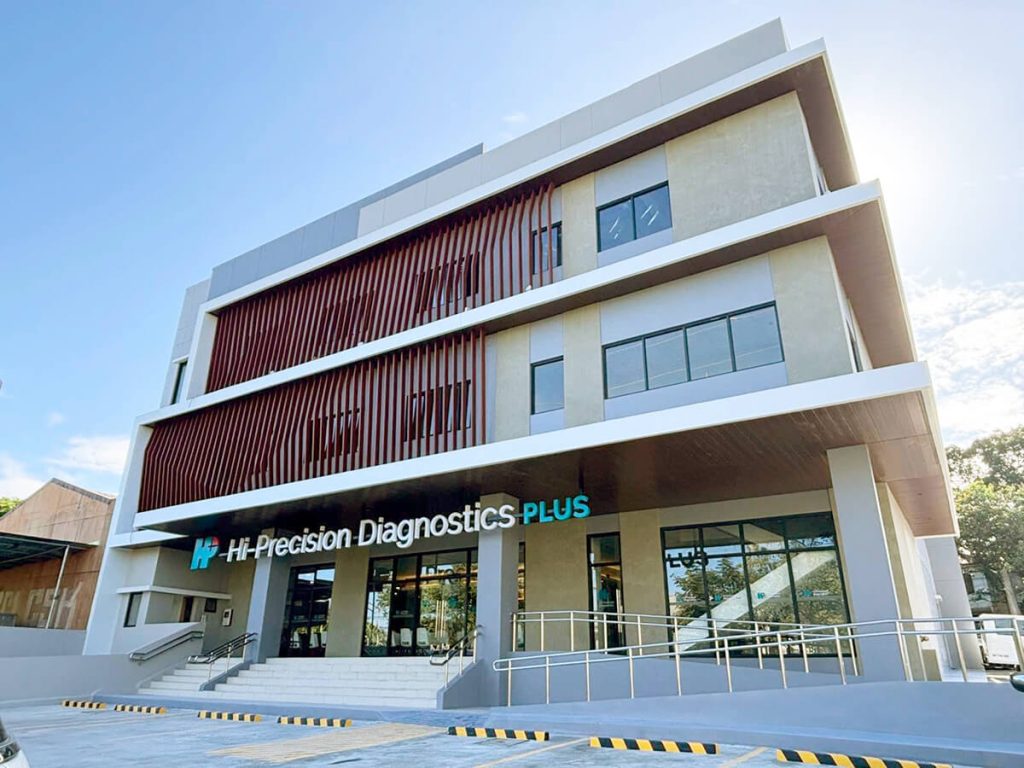
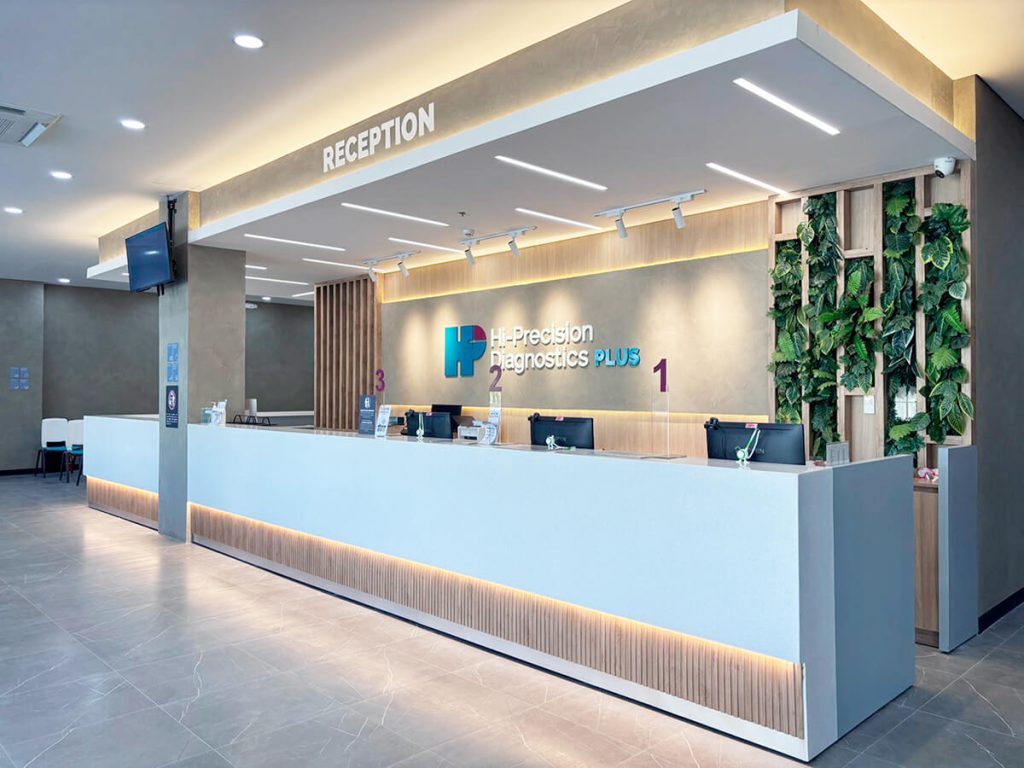
My vision for the Philippines, when I think about the Philippines ten years from now, I don’t simply envision more hospitals or more sophisticated medical technology. I envision a country where healthcare is accessible, affordable and preventive. A country where people don’t wait for symptoms before taking action. A country where getting your health checked is as ordinary as getting your car serviced. A country where people know their numbers and understand that prevention is not an option—it is a responsibility. This is also where organizations like Hi-Precision have an important role to play: making quality healthcare more accessible and affordable to Filipinos, while helping change the mindset from reactive healthcare to preventive healthcare. Because healthcare should never be a luxury. So what is the real meaning of nation-building. We often measure progress through GDP, infrastructure, investments, new buildings and new technologies.
But perhaps we should also ask:
Are our people healthier? Are our children growing up healthier? Are our workers healthier? Are our families spending less of their hard-earned income dealing with preventable illness? Are we detecting problems early enough?
Because what good is a stronger economy if our people are not healthy enough to enjoy and sustain it?
For me, nation-building has always been about people. And if people are our greatest asset, then keeping them healthy must be one of our greatest investments. So, let us change the conversation. Don’t wait until something hurts. Don’t wait until symptoms become serious. Don’t wait until your doctor tells you there is a problem. Know your numbers. Know your baseline. Get checked. Take action.
Because prevention is not about being afraid of getting sick. It is about being responsible enough to stay well. And perhaps that is one of the most important ways we can all rise to the occasion—by taking better care of ourselves, so we can continue taking care of our families, our businesses, our communities and, ultimately, our country.
A healthier Filipino is a stronger Philippines. And that is infrastructure worth investing in.
#PhilSTARPropertyFeature
#FeaturedStory