

There is no longer just one picture of the Filipino homebuyer.
A young professional looking for a residence close to school or work has different priorities from a family planning a forever home. An investor may be looking for long-term value, while a multigenerational household must balance closeness with a growing need for independence.
For Vista Land & Lifescapes, Inc., responding to these shifts has meant building across a broad spectrum of residential markets—an approach reflected in its multiple recognitions at the Philippines Real Estate Awards 2026.
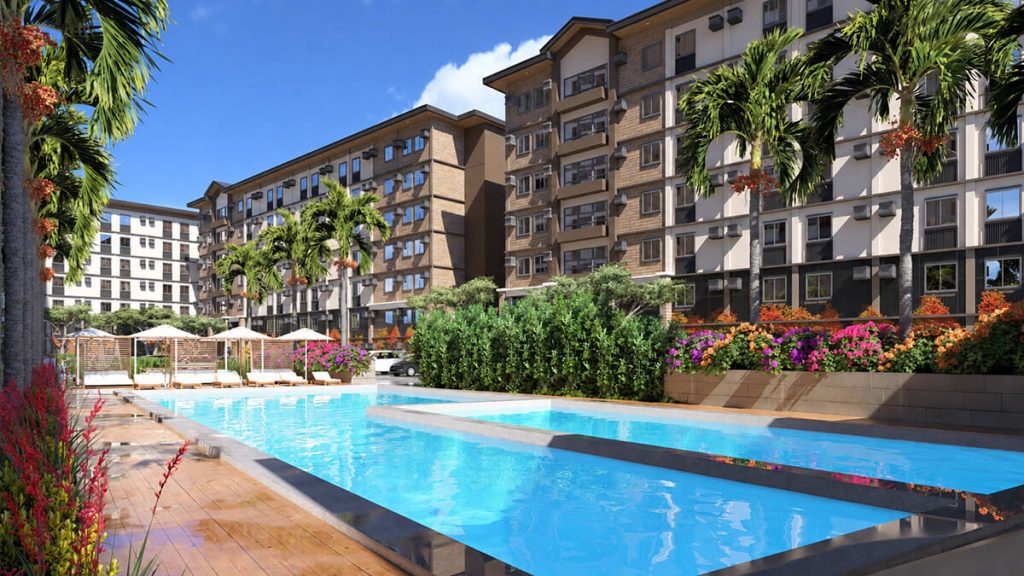
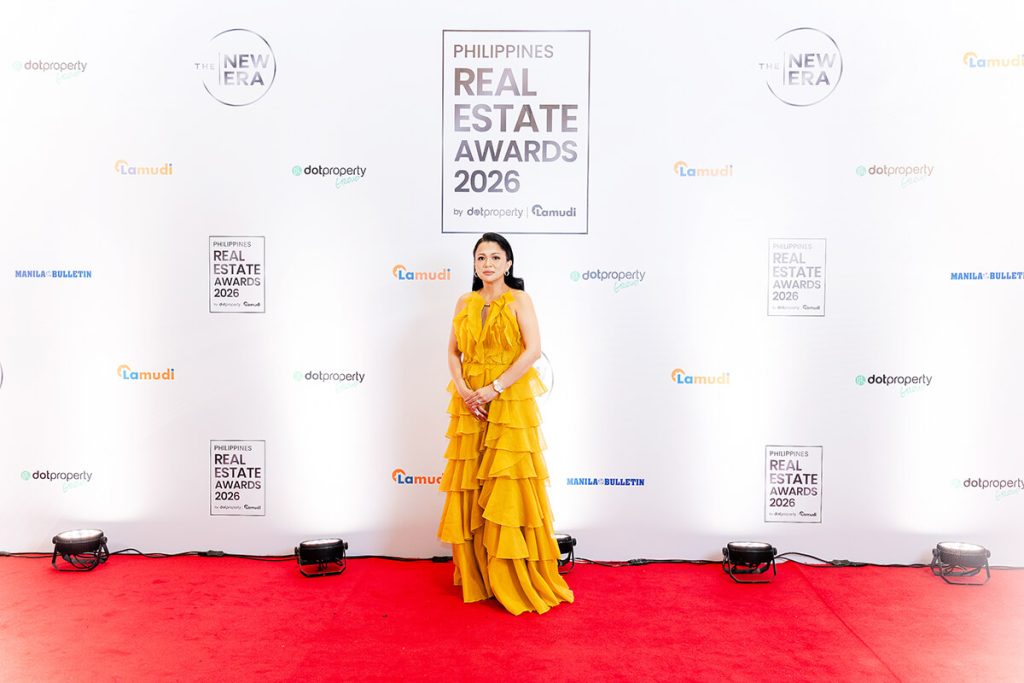
Vista Land and its brands received six awards spanning housing, multigenerational living, student residences, lifestyle development and investment property. Camella was named Best Housing Developer in Visayas & Mindanao, while Camella Praverde received both Project of the Year 2026 and Best Multigenerational Housing Development. Hawthorne Heights by Vista Residences, Siena by Crown Asia and The Upstate by Vista Manors were likewise recognized in their respective categories.

A home that grows with the family
For Eduardo T. Aguilar, group head for Mega Manila and Mega South, the recognition of Camella Praverde speaks to an important shift in how Filipino families are approaching multigenerational living.
“Filipino family life is becoming more flexible: several generations still value closeness, but grandparents, parents, and growing children increasingly need privacy and proximity, as well as constant co-residence,” Aguilar said.
Located in Dasmariñas City, Cavite, Camella Praverde responds by offering house-and-lot properties intended for different stages of family life within one residential community.
Its secure environment, amenities and location allow family members to maintain varying levels of independence while keeping the support system traditionally associated with Filipino family life nearby.
Aguilar sees this as an evolution of the multigenerational home—from one shared household into a community where succeeding generations can build lives of their own while remaining connected.
“Multigenerational living evolves from a single address and shared beginnings to separate yet sustained milestones, turning lifelong homeownership into a legacy of value that remains relevant as household rhythms and responsibilities shift,” he said.
Different buyers, different priorities
Beyond the family home, Vista Land’s award-winning developments also reflect a residential market becoming increasingly defined by life stage, lifestyle, location and purpose.
For Mary Lee S. Sadiasa, chief operating officer of Vista Land & Lifescapes, Inc., this means moving away from a single model of homeownership.
“The range of our offerings at Vista Land reflects how residential decisions are becoming more distinct to life stage, lifestyle, location, and long-term purpose rather than following a single model of homeownership,” Sadiasa said.
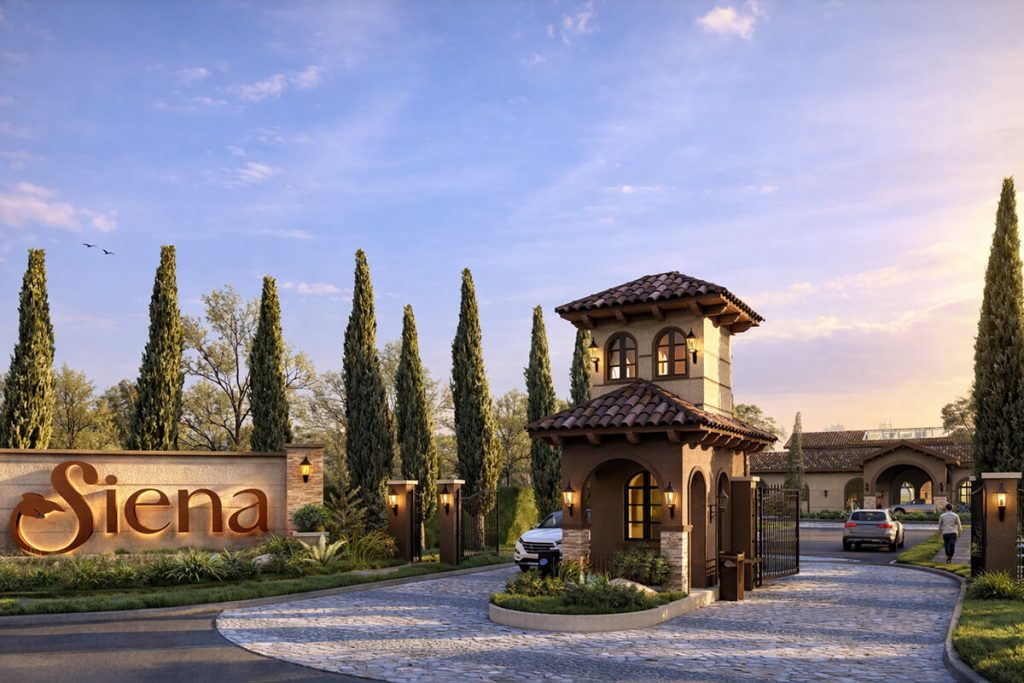
That can mean a forever home and multigenerational flexibility through Camella, proximity and independence for students and young professionals through Vista Residences, more refined residential environments through Crown Asia, or a combination of livability and long-term value through Vista Manors.
“Across these segments, Filipinos are increasingly seeking properties that shape how they live, learn, and lead over time,” she added.
Growth beyond the capital
The changing geography of demand is another important part of the picture.
Camella’s recognition as Best Housing Developer in Visayas & Mindanao comes as regional cities and emerging economic corridors create new residential opportunities outside Metro Manila.
Engr. Ric A. Pallesco, group head for Visayas and Mindanao, sees infrastructure, education, employment and investment as giving more Filipinos reasons to build their lives closer to their hometowns.
“Real estate prospects outside Metro Manila will grow exponentially in regional cities and along growth corridors, where infrastructure, education, employment, and investment are creating stronger reasons for Filipinos to travel, study, work, spend, and settle closer to their hometowns,” Pallesco said.
Camella has expanded over the decades from Cebu, Iloilo and Bacolod to Butuan, Cagayan de Oro, Davao, Zamboanga, Koronadal and General Santos—markets shaped by their own industries, institutions and aspirations.
For Pallesco, the opportunity is therefore not simply about bringing the same residential formula to different parts of the country.
“The opportunity, therefore, is not simply to replicate modular metropolitan housing elsewhere, but to build forever homes and residential environments that respond to these suburban realities while supporting what is lifelong, for the long term,” he said.
Taken together, Vista Land’s recognitions point to a larger shift in Philippine real estate: homeownership is becoming less about fitting buyers into a single residential model and more about creating choices around how—and where—Filipinos want to live.
Families are changing, buyer priorities are becoming more distinct, and opportunities are expanding beyond the country’s traditional urban centers. For developers, responding to those shifts means looking beyond the house itself to understand the lives, aspirations and communities being built around it.
In an increasingly diverse property market, the homes that endure may ultimately be those designed not around a single idea of the Filipino buyer, but around the many ways Filipinos are choosing to build their lives.
#PhilSTARPropertyFeature
#FeaturedStory