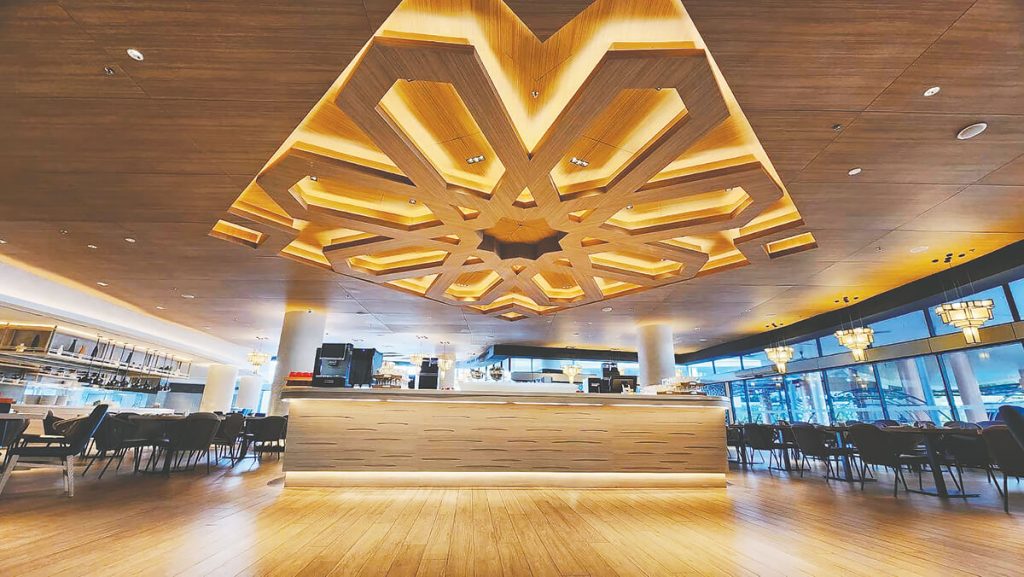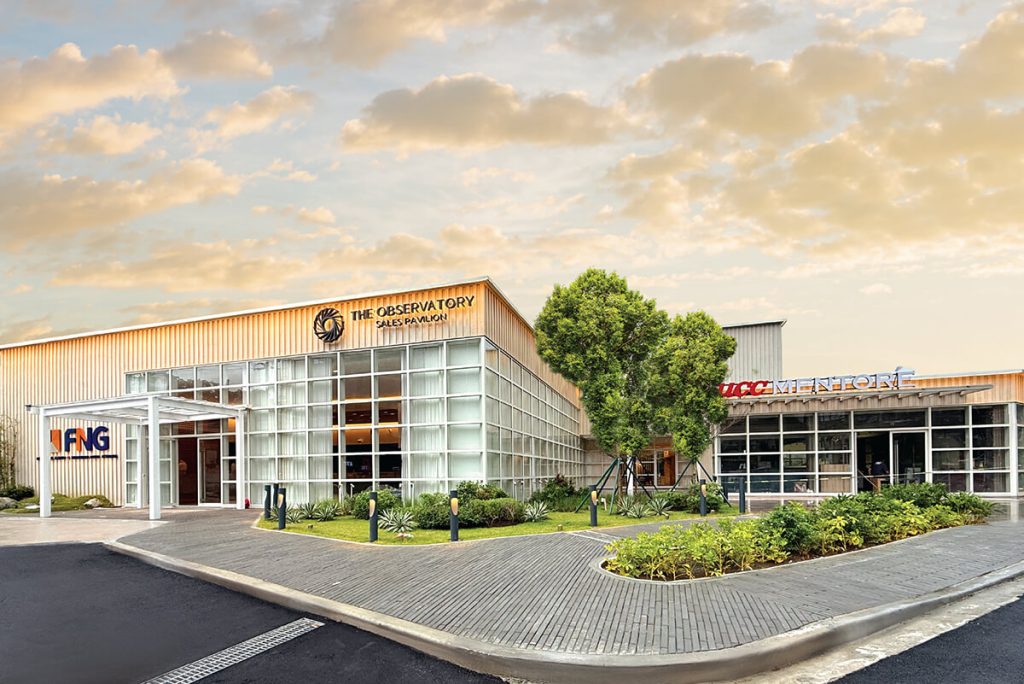


The home is seen as a place of comfort and increasingly as a deliberate expression of identity in contemporary residential design. Within the ever-changing language of luxury living, “purposeful luxury” has become a defining idea that moves away from excess, focusing on personal resonance and meaningful intention. Rather than relying on overt opulence, homeowners are curating spaces that reflect their values and routines. The result is a quieter, more introspective form of luxury that is lived rather than displayed.
Beyond aesthetics
Mindful luxury prioritizes intentional design choices over extravagance. Across global interior design discourse, the approach is associated with thoughtful material selection, functional layouts, enduring craftsmanship, and lifetime value. Homes are designed to serve daily life efficiently while still offering visual and emotional depth. Instead of trend-driven interiors, the emphasis shifts toward spaces that age well both physically and stylistically.
This has led to increased interest in natural materials such as stone, wood, and linen, as well as architectural simplicity that allows natural light, open space, and proportion.
Design as identity
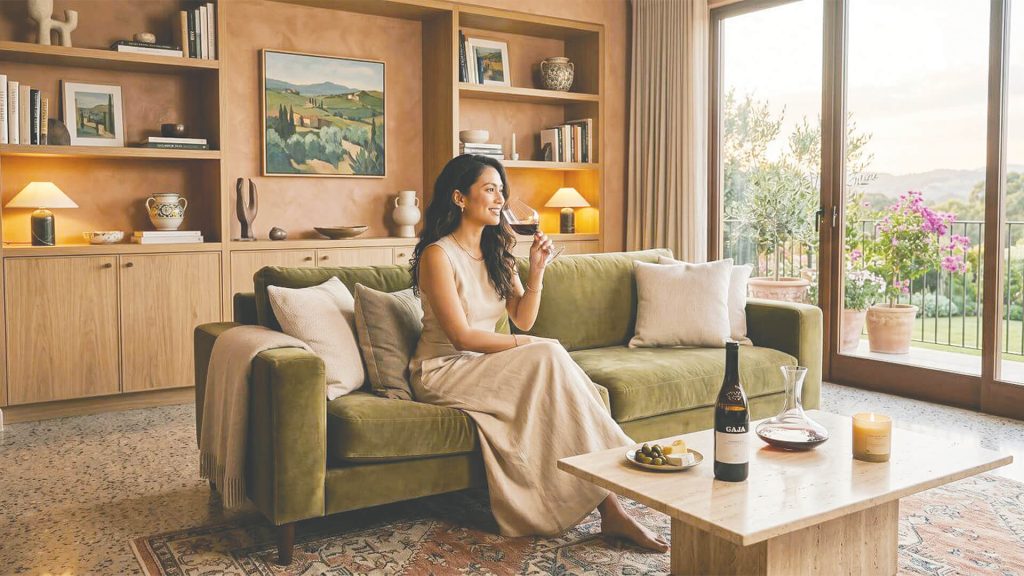
A home shaped by self-expression often reflects the lived experiences of its occupants. Travel influences, cultural heritage, and personal milestones are subtly embedded in interior choices, from curated art pieces to custom furnishings and heirloom objects.
Rather than following uniform design templates, homeowners are increasingly engaging with local artisans and independent designers to create pieces that cannot be easily replicated. This shift reinforces the idea that luxury is no longer defined by price alone but by the uniqueness and emotional value it offers.
Open-plan living areas, multifunctional rooms, and adaptable furniture also support changing lifestyles, particularly in urban environments where flexibility is essential.
Sustainability and restraint
Sustainability has become a main consideration in residential design, shaping what is now understood as responsible luxury. Industry conversations have been highlighting reduced consumption, energy efficiency, and the reuse of materials and resources as integral to long-term value.
While specific global figures vary across studies and no single verified dataset defines the entire sector, design experts consistently note a growing preference for durable, repairable, and ethically sourced materials. This shows a broader shift in luxury defined not by accumulation but by restraint and responsibility.
Living thoughtfully
The idea of purposeful luxury is reflected in the quiet decisions that shape how a home functions. It appears in lighting that balances comfort and efficiency, spaces designed to adapt to different needs, and layouts that prioritize ease of movement over visual excess.
It also shows in material choices that favor durability and longevity, reducing the need for constant replacement. Natural light and ventilation are similarly valued, not as design statements but as practical elements that improve everyday living. These details together define a more restrained and intentional approach to modern home life.
Homes that resonate
The home is becoming a more personal and reflective space that balances beauty with intention and comfort with consciousness as luxury continues to evolve. Purposeful luxury does not seek attention. Instead, it creates meaning through restraint, craftsmanship, authenticity, and endurability. And the most compelling living spaces are not those that appear the most elaborate, but those that feel most aligned with the lives lived within them.
#PhilSTARPropertyFeature
#FeaturedStory