

I would like to extend my congratulations to The Philippine STAR family on its 40th anniversary this month. Four decades of journalism is a remarkable achievement, and my thanks also go to PhilSTAR Property for providing me a space to share my thoughts and passion with our readers.
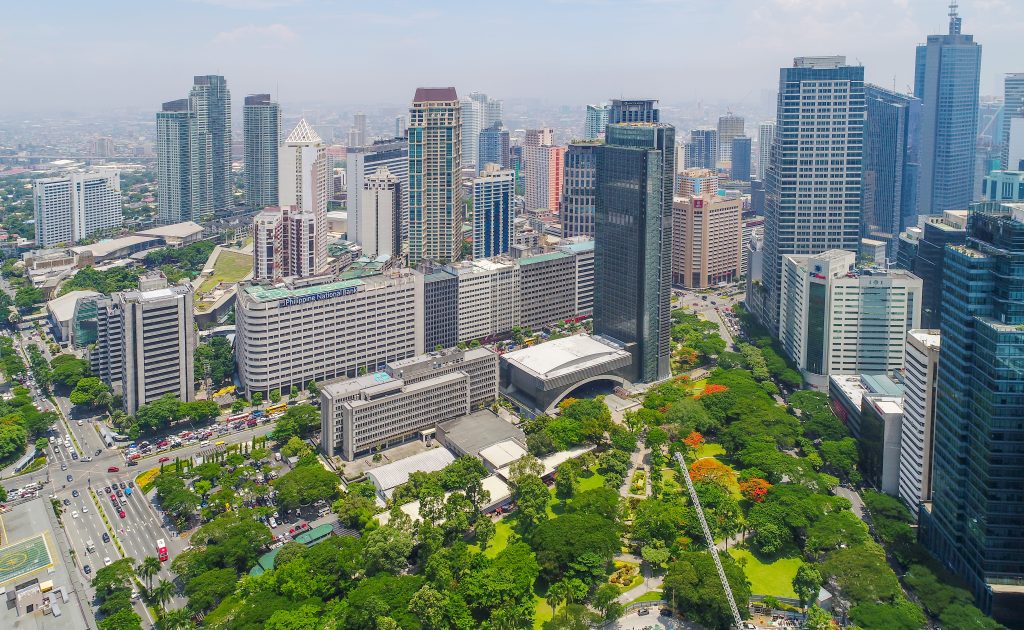
Through the years, The STAR has chronicled how our cities, homes, and communities have changed. It has told the story of new districts rising, of families moving into their first homes, and of towns growing into cities. Property stories are not only about construction or investment. They are about how people live, how families grow, and how societies adapt to shifting times.
We have seen how malls became gathering places, how business centers reshaped the way Filipinos work, and how master‑planned estates created new lifestyles. We have also seen how informal settlements expanded, how housing shortages tested resilience, and how communities found ways to endure despite limited resources. These are truths that go beyond numbers and market reports.
As an architect, I have always believed that design must reflect the truth of how we live. This truth is not found in short‑term market cycles or in the rise and fall of property values, but in the way our environment sustains us, in how our homes respond to climate, and in how our communities endure through time.
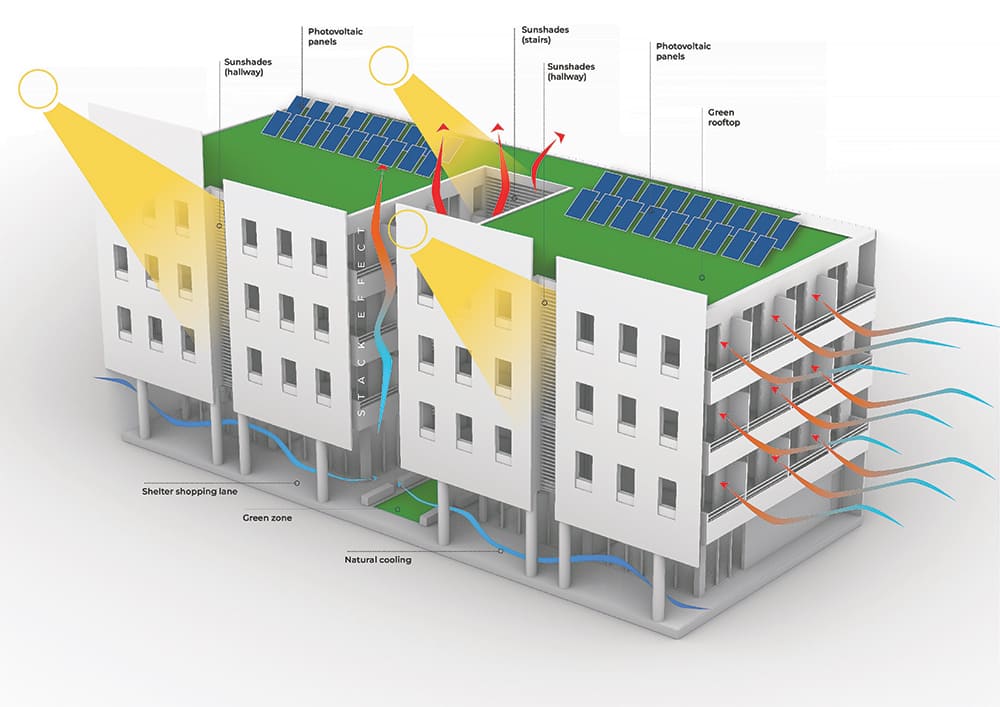
Nature has always been my personal blueprint, and it has become the foundation of our philosophy at Italpinas Development Corporation (IDC). The biomimicry concept shows us that the most efficient and resilient solutions are already present in the natural world. We see them in buildings that breathe, shade, and cool themselves. These are not inventions but lessons borrowed from trees, shells, and ecosystems.
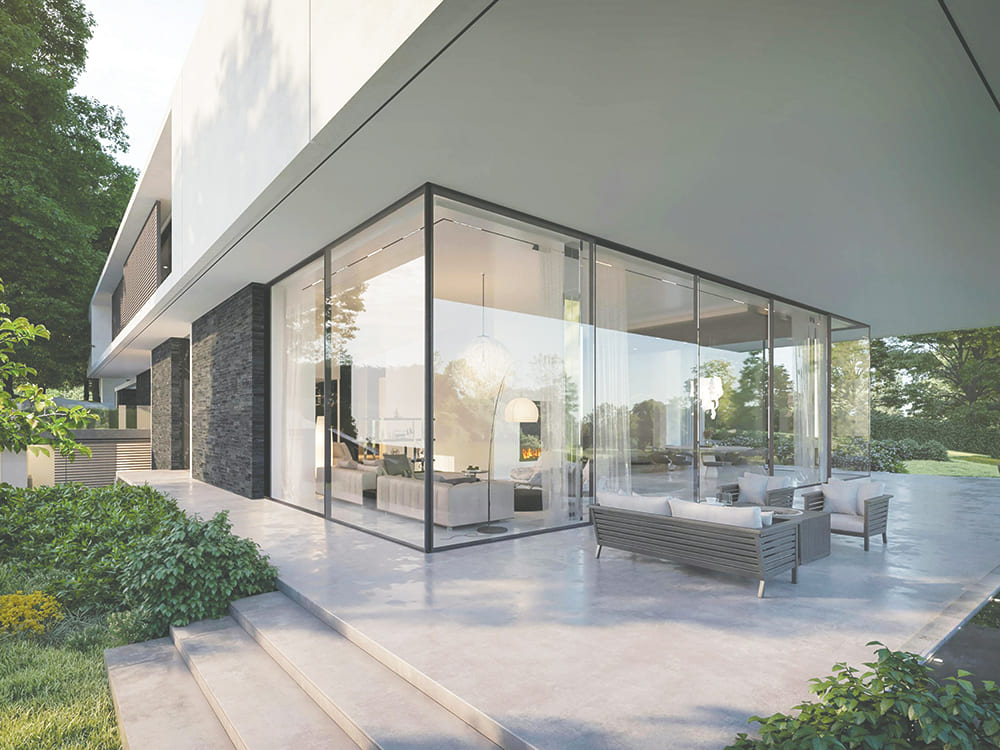
Here in the Philippines, we live with heat, crowded cities, and the rising cost of housing. Concrete and glass by themselves won’t solve those problems. What we need are buildings that breathe, that keep energy use low, and that make daily life more comfortable without making it more expensive.
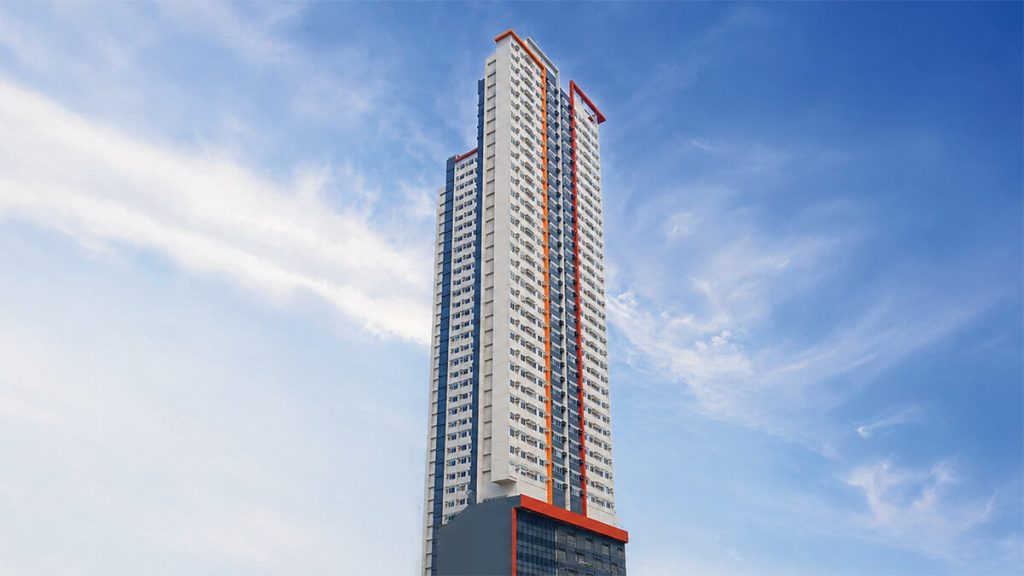
This principle guides the projects we have built at IDC. To name a few, our Primavera Residences in Cagayan de Oro was designed to maximize natural ventilation and daylight, reducing dependence on artificial cooling and lighting. Primavera City expanded the vision with renewable energy features, proving that sustainability can be part of everyday urban living. Meanwhile, in Batangas, Miramonti Green Residences continues this approach, combining affordability with eco‑friendly design. Each of these projects shows that sustainable architecture is not a luxury but a practical way of living.
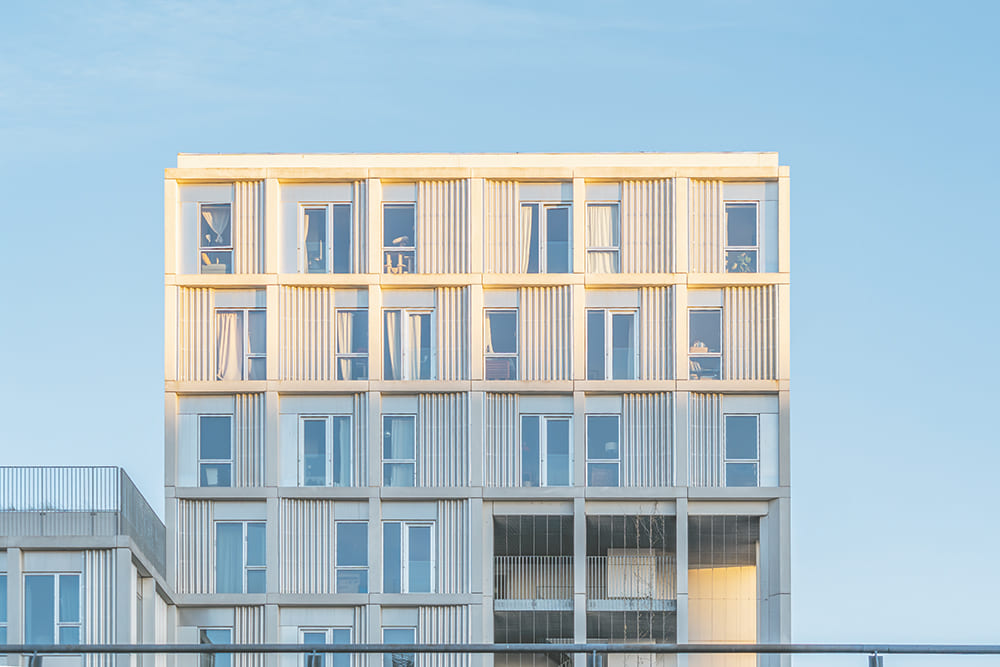
For many homebuyers, sustainability is not only about comfort or environmental responsibility. It is also about health and saving money. Buildings that breathe naturally reduce humidity and improve indoor air quality, which supports well-being. At the same time, lower energy consumption means lower monthly expenses. And for those looking at long-term value, investing in green properties can help them make more money over time because efficient, climate-responsive homes tend to retain their worth and attract stronger demand.
Communities that last are those built with ecological principles. When developments ignore the environment, they struggle. When they work with nature, they thrive. Architecture is not only about how a building looks. It is about how it works for people and how it responds to the realities of climate and daily life. A home should be more than four walls and a roof. It should be a place where families feel safe, where air and light move freely, and where comfort does not depend entirely on machines. A city, on the other hand, should be more than a collection of structures. It should be a living environment that encourages connection, where streets invite people to walk, where public spaces bring neighbors together, and where design supports both work and rest. Good architecture allows people to breathe, to move, and to grow.
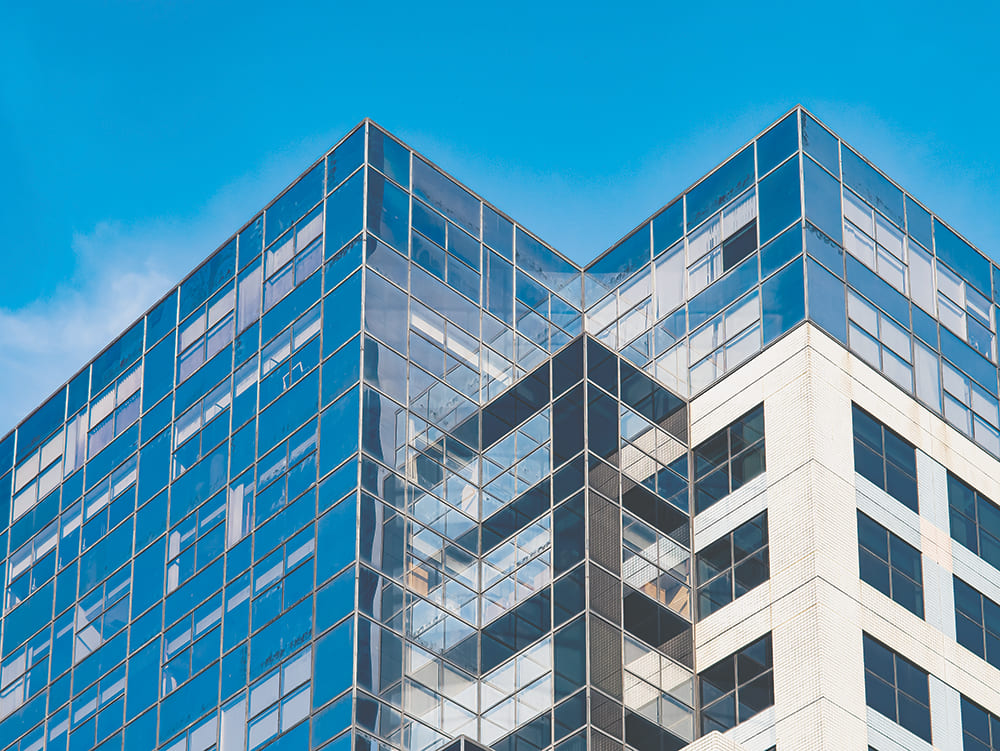
I am encouraged that future‑ready communities are already taking shape now, guided by principles of sustainability and inclusivity. They remind us that the truth of living is not static but ever‑evolving with each generation.
There may be newer innovations even as I write this, but building the future will always return to the basics of human need and ecological balance. That is the constant thread—whether in homes, cities, or communities—and it is where resilience truly begins. If we hold on to these fundamentals, then every new design, every new development, becomes part of a larger story: one where nature is our partner, and people remain at the center.
#PhilSTARPropertyFeature
#FeaturedStory