

At the 37th Philippine Travel Mart, the industry looks to new destinations and new ways of traveling
Philippine tourism has weathered a pandemic, changing travel habits and economic pressures. Now, amid higher travel costs and uncertainties affecting the industry, tourism players are drawing on those lessons while looking for new ways to keep people traveling.
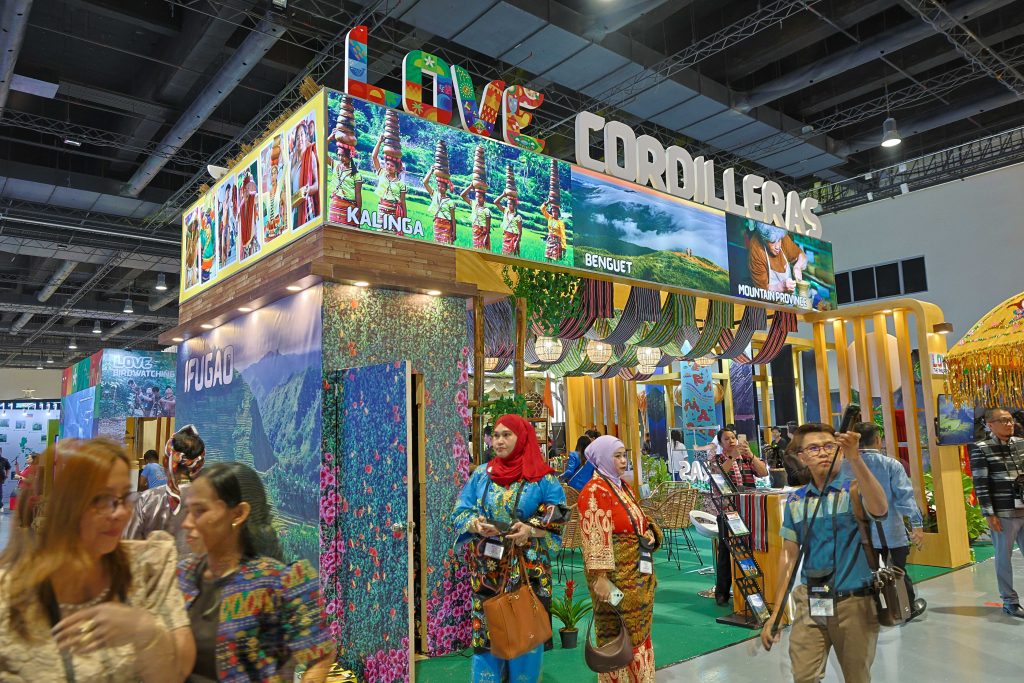
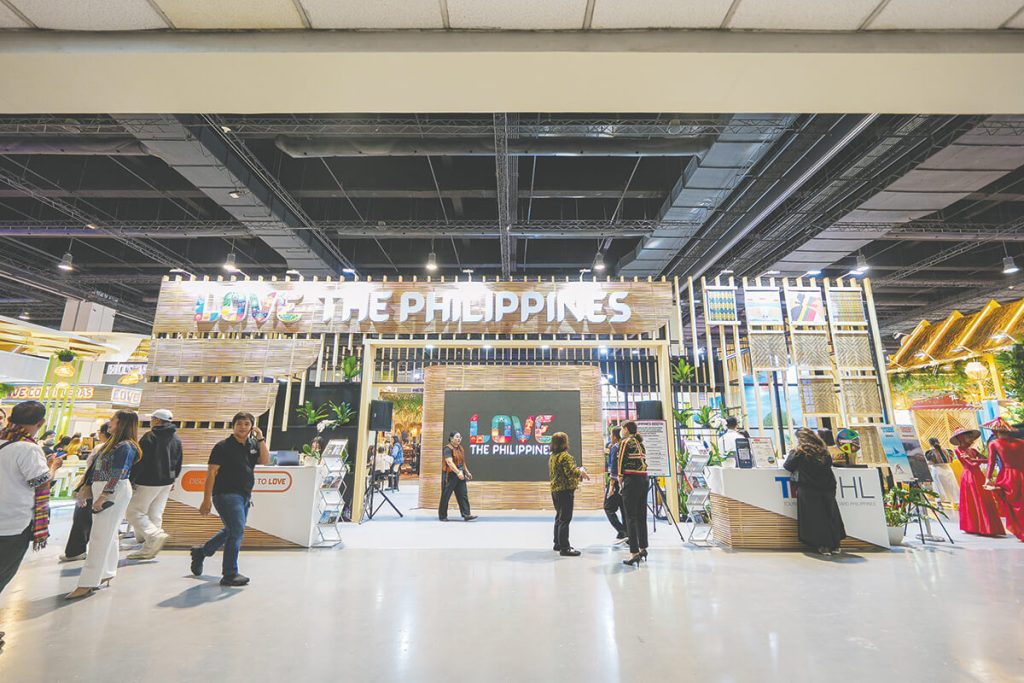
That evolving landscape was on display at the 37th Philippine Travel Mart (PTM), which PhilSTAR Property attended at the SMX Convention Center in Pasay City.
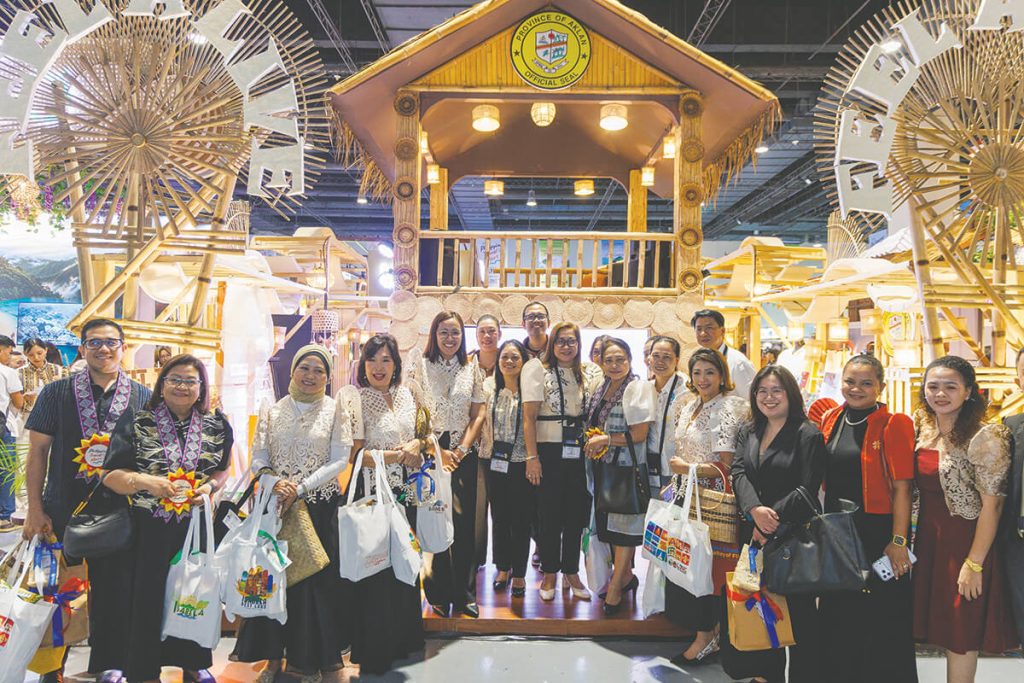
The three-day event drew sizable crowds to more than 310 booths showcasing destinations, tourism experiences, accommodations, local products and travel deals from across the Philippines.
Under the theme “Nurturing the NextGen Tourism: Discover Your Philippines,” PTM encouraged Filipinos to look beyond familiar destinations and experience the country through its communities, culture, cuisine and emerging tourism offerings.
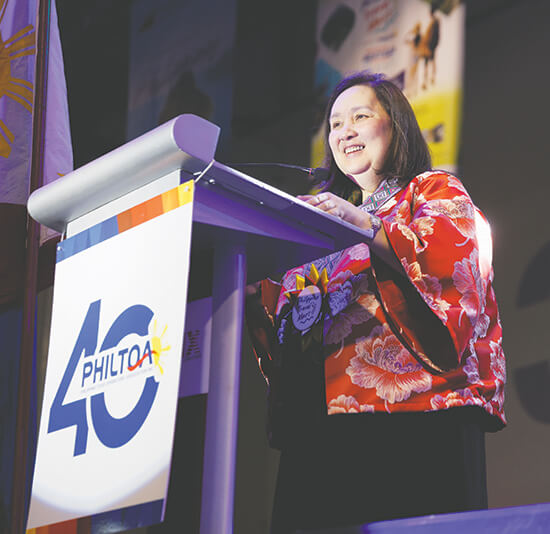
Tourism Secretary Dita Angara-Mathay, speaking at the opening, pointed to a changing traveler.
“Today, people are looking beyond the usual attractions. They want to taste local food, meet local people, learn traditions, and experience a destination in a more personal way,” she said.
An industry that learned to adapt
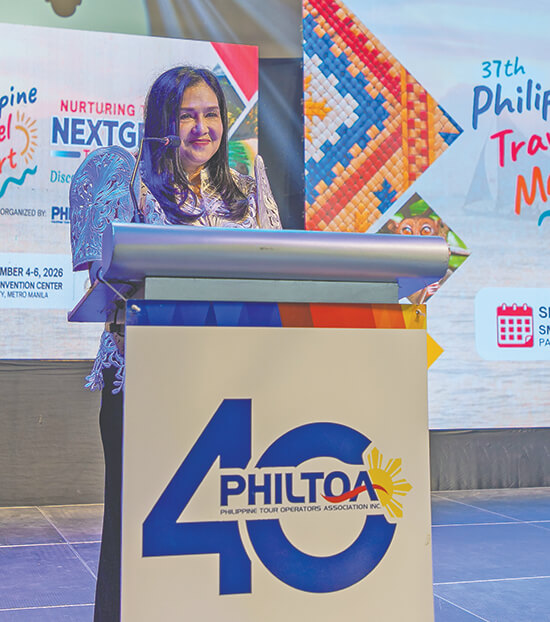
In an interview with PhilSTAR Property during the event, Philippine Tour Operators Association (PHILTOA) President Maria Lourdes “Malou” Japson said the industry is better prepared to navigate disruption after what it experienced during the pandemic.
“The tourism industry, especially the tour operators and travel agencies, are already resilient. We learned our lesson from the pandemic,” Japson said.
One challenge today is the cost of flying. Japson said tour operators are responding by developing products that make greater use of land transportation, giving travelers alternatives for reaching destinations.
“We know that airfares are quite expensive, so we innovated on something different that could maximize tourism arrivals without using flights only,” she said.
Creativity, she added, is becoming increasingly important—from developing land-based itineraries to tapping nearby Asian markets and exploring joint promotions with other ASEAN destinations.
“We just have to really be creative with the packaging,” Japson said.
Bringing more destinations into the journey
That willingness to adapt also extends to where tourism growth happens.
For Japson, the next stage involves strengthening emerging destinations alongside established tourism centers.
“The stand-alone destinations—they can survive. But what about the emerging destinations? We really need to help them,” she said.
She sees established destinations as potential gateways that can introduce travelers to lesser-known places nearby—describing major destinations as a “big brother” to smaller destinations still building their tourism markets.
PHILTOA has been promoting areas and circuits including Quezon, Laoag-Vigan-La Union and Misamis Occidental, reflecting a broader effort to spread tourism activity to more parts of the country.
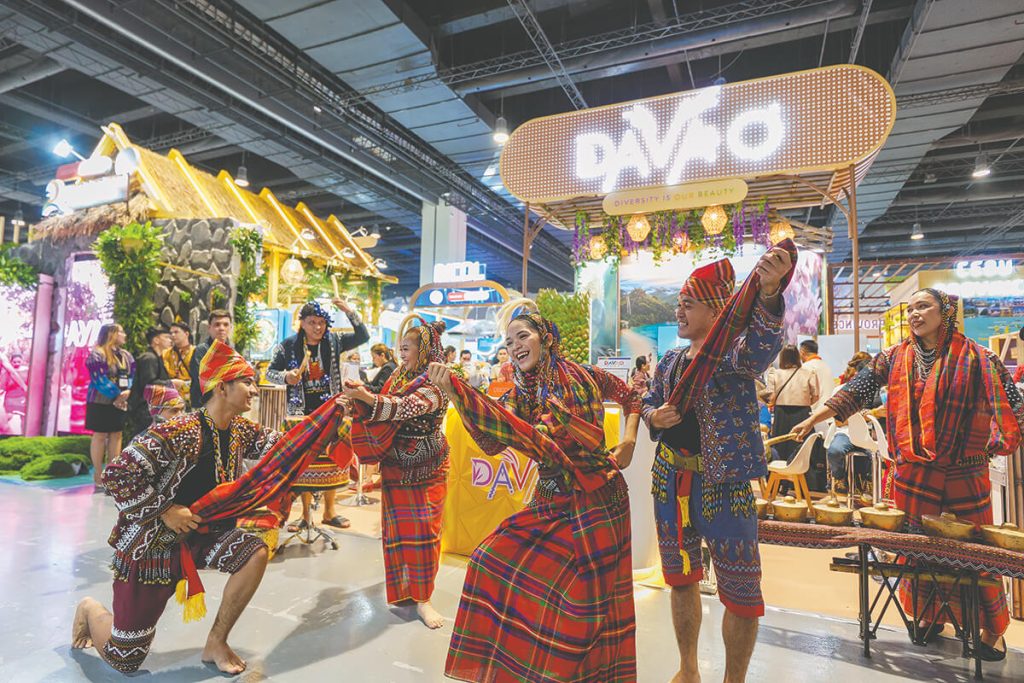
PTM itself offered visitors a glimpse of that diversity. Destination pavilions ranged from heritage-inspired displays to contemporary showcases, while indigenous dress, dance, local crafts and delicacies brought regional cultures onto the convention floor.
For Japson, the fair is ultimately an invitation to discover—or rediscover—the country.
“PTM is like the teaser of the entire Philippine tourism offerings. Lahat nandito,” she said. “It’s somehow a teaser—like a mini fiesta.”
The event brought together tourism stakeholders from Luzon, Visayas and Mindanao, underscoring an industry looking not only to recover from disruption, but to broaden the destinations and experiences that can sustain its next phase of growth.
#PhilSTARPropertyFeature
#FeaturedStory