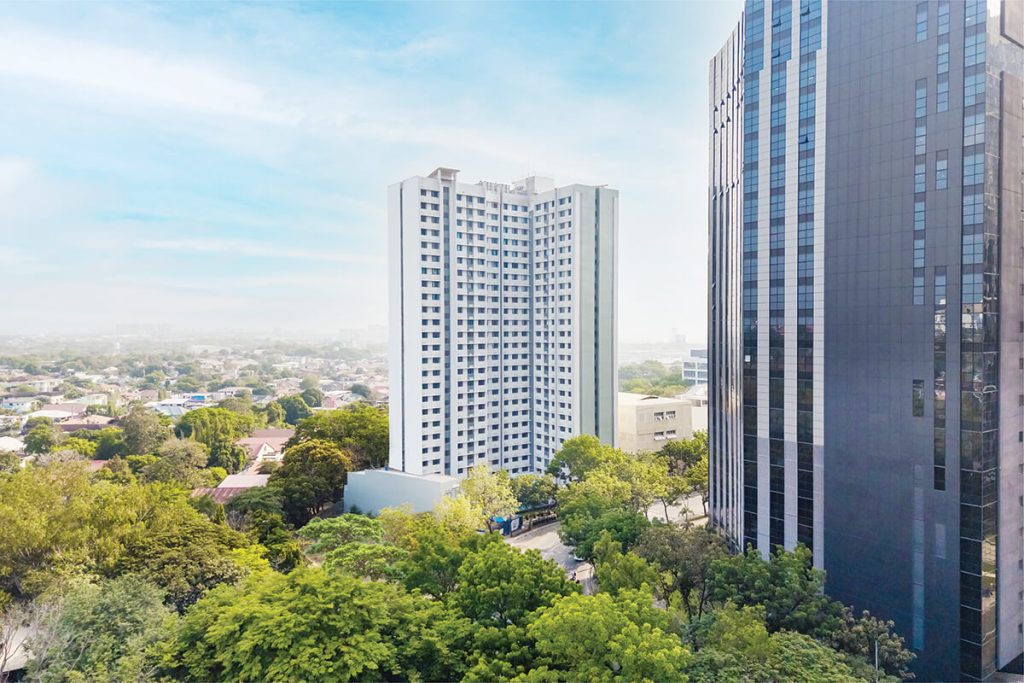


How the new 99-year land lease is reshaping long-term investment and development in the Philippines
For decades, the Philippine real estate market, while open to global investors, faced significant limitations, particularly in terms of land lease duration. The Philippines was often seen as a temporary stopover rather than a long-term destination due to the “50+25” year lease structure imposed by the old Investors’ Lease Act. In contrast, our Southeast Asian neighbors provided long-term land security that we could not replicate.
With the enactment of Republic Act (RA) No. 12252 in September 2025, the Philippines is strategically repositioning itself as a premier hub for sustainable, large-scale development.
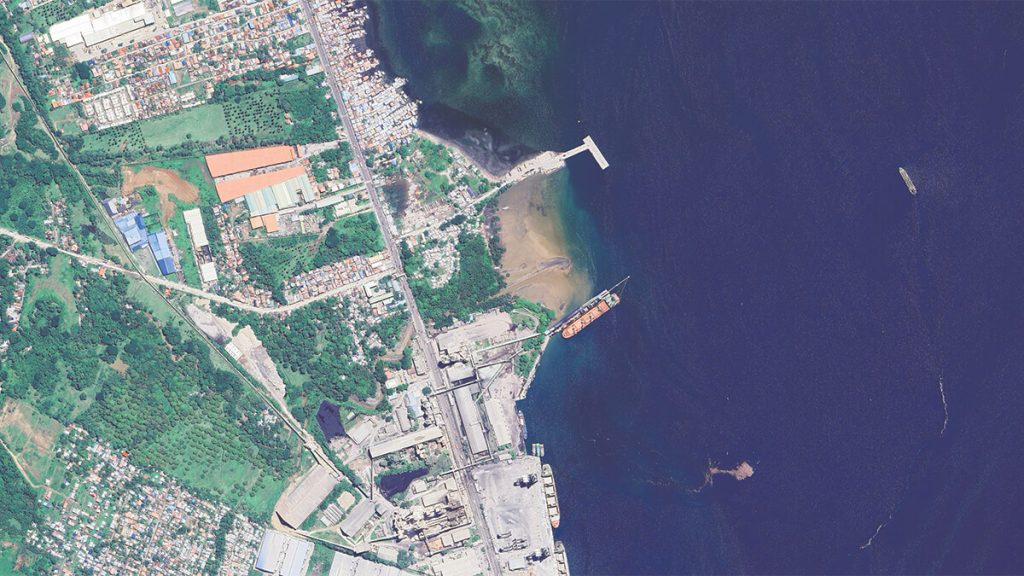
Targeted Growth in High-Value Sectors
While the law is not a universal solution, it serves as a crucial instrument for economic progress. It likewise targets sectors that contribute to the New Urban Agenda, including industrial development and environmental conservation.
For instance, in the tourism sector, the law introduces a “Tourism Threshold” to prevent excessive land hoarding. Investors are required to commit a minimum of US Dollars 5 million, with at least 70 percent of that capital invested within the first three years. This ensures that our coastal and mountain resources are utilized for immediate and genuine economic benefits rather than remaining idle.
Furthermore, the law aligns with recent amendments to RA 11647, also known as the Foreign Investments Act, and RA 11659, or the Public Service Act, since 100 percent foreign ownership is now permitted in industries such as:
● Renewable Energy: Solar, wind, and tidal projects.
● Telecommunications: Powering our digital infrastructure.
● Transport & Logistics: Airports, railways, expressways, and shipping.
From Extractive to Regenerative
As an Architect and Planner, I view this law through the lens of “Ridge-to-Reef” planning. Sustainable development demands long-term stewardship. When investors commit to a century-long stake in the land, their mindset shifts from short-term tenancy and extractive use to long-term partnership. This shift enables investors to pursue projects that incorporate nature-based solutions and green standards.
By bridging the gap between our constitutional limitations and global business realities, we are paving the way for a future where land use is as resilient as the structures we construct.
Final Clarification
Land ownership in the Philippines remains exclusively reserved for Filipinos and Filipino-controlled corporations. The new law prohibits foreigners from acquiring land. However, it serves as an invitation for foreign nationals and corporations to actively participate in nation-building, contributing to a century of shared progress through a longer land lease period.
Stability by Design: The 99-Year Horizon
Under the previous RA 7652, or Investors’ Lease Act, the risk of renewal at the 50-year mark was a major concern for many capital-intensive industries. In contrast, the most significant change introduced by the new law is the provision for a straight 99-year lease. Modern projects, such as renewable energy, high-tech manufacturing, and integrated tourism estates, operate on long-term lifecycles that require secure and bankable tenure.
Why This Matters
● Predictability: Long-term certainty required by international financing institutions.
● Asset Liquidity: A robust asset can now be assigned, transferred, or used as collateral.
● Registry Protection: Leases must now be registered with the Registry of Deeds; they become binding against third parties and are protected from indirect legal challenges.
#PhilSTARPropertyFeature
#FeaturedStory